Logo

Advised Open Heart
Surgery for Valve Disease?

If you have been diagnosed with severe aortic or any other valve disease and have been advised to undergo open-heart surgery, a specialist valve evaluation may help you determine whether a safer alternative is possible.

Heart Valve Experts focus exclusively on minimally invasive valve treatments for high-risk patients whom have been advised open-heart surgery.

Our expertise in this field is backed by:

Valve-only specialists
Interventional cardiologist-led care
Advanced imaging support
TAVI | TMVR | MitraClip
Pioneers of MyClip in India
Experience in high-risk patients
1000+ Successful TAVI Procedures
Tricuspid valve interventions
Discuss Your Valve Treatment Options

*All enquiries are reviewed by a dedicated heart valve specialist.

Who Is This Treatment For?

For patients with valve disease who have been advised open-heart surgery or told surgery may be high risk.

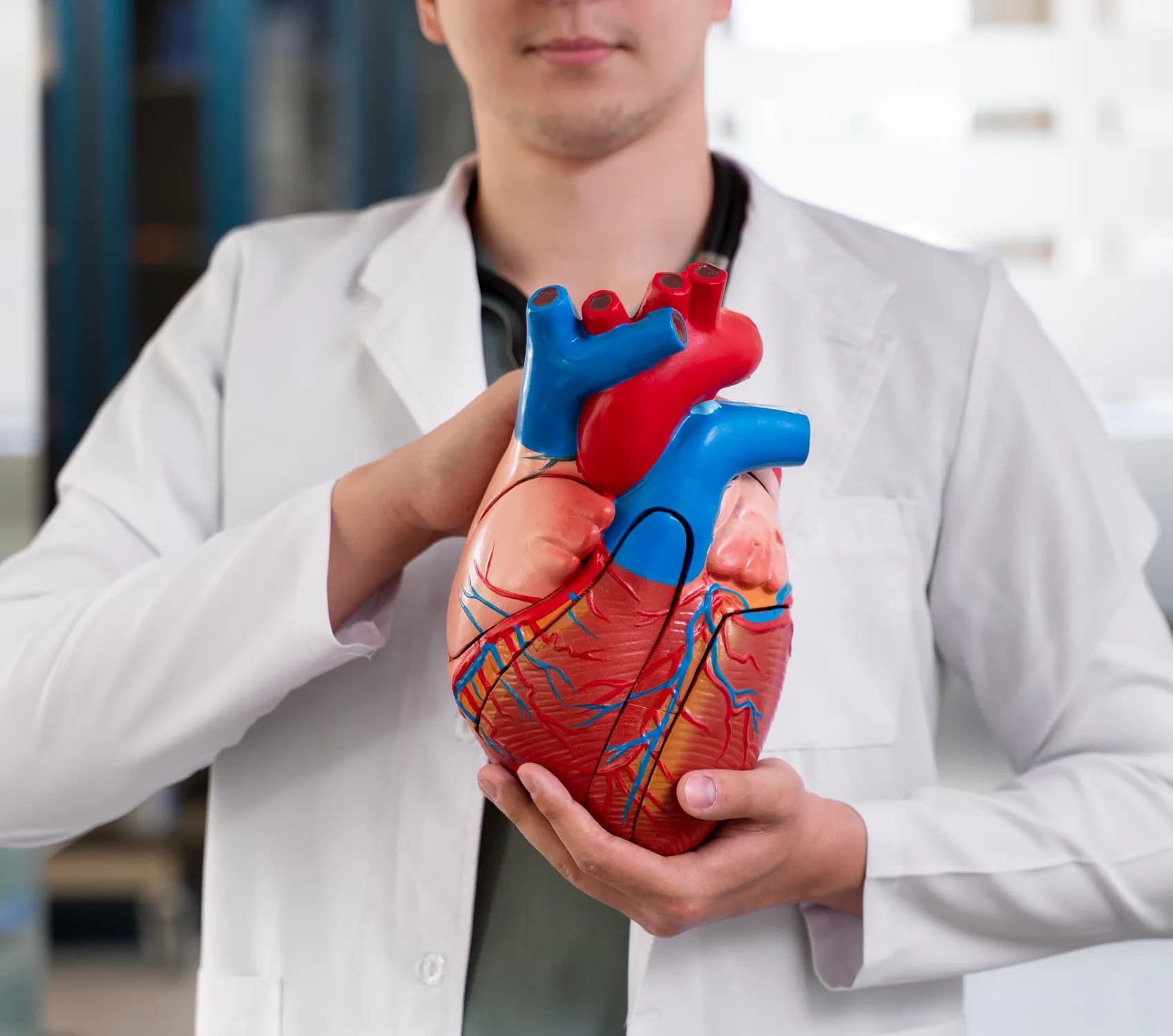
Doctor holding heart model

This treatment may be considered, if you–

  • Have severe aortic stenosis or other valve disease

  • Have been advised open-heart valve surgery

  • Are at higher surgical risk due to age or medical conditions

  • Have had previous bypass or valve surgery

  • Are seeking a second opinion on valve replacement options

Why timely action matters

Severe valve disease can progress silently, and delays may limit safer treatment options.

Why Minimally Invasive Valve Treatment Is Considered

No chest opening

No chest opening

Valve treatment is performed through catheter-based access.

Considered when surgical risk is high

Considered when surgical risk is high

Often evaluated when open-heart surgery may carry added risk.

Usually avoids the heart–lung machine

Usually avoids the heart–lung machine

In many cases, cardiopulmonary bypass is not required.

Focused valve treatment

Focused valve treatment

Targets the diseased valve only, not extensive cardiac surgery.

Gentler recovery profile

Gentler recovery profile

Many patients mobilise earlier, depending on individual factors.

Better tolerated in selected patients

Better tolerated in selected patients

Often considered for elderly or medically complex patients.

Choosing the Right Valve Treatment Pathway

Heart valve symptoms can overlap. The first step is confirming which valve is affected and how severe the disease is, using tests such as echocardiography or CT. A specialist valve review helps determine the most appropriate treatment pathway.

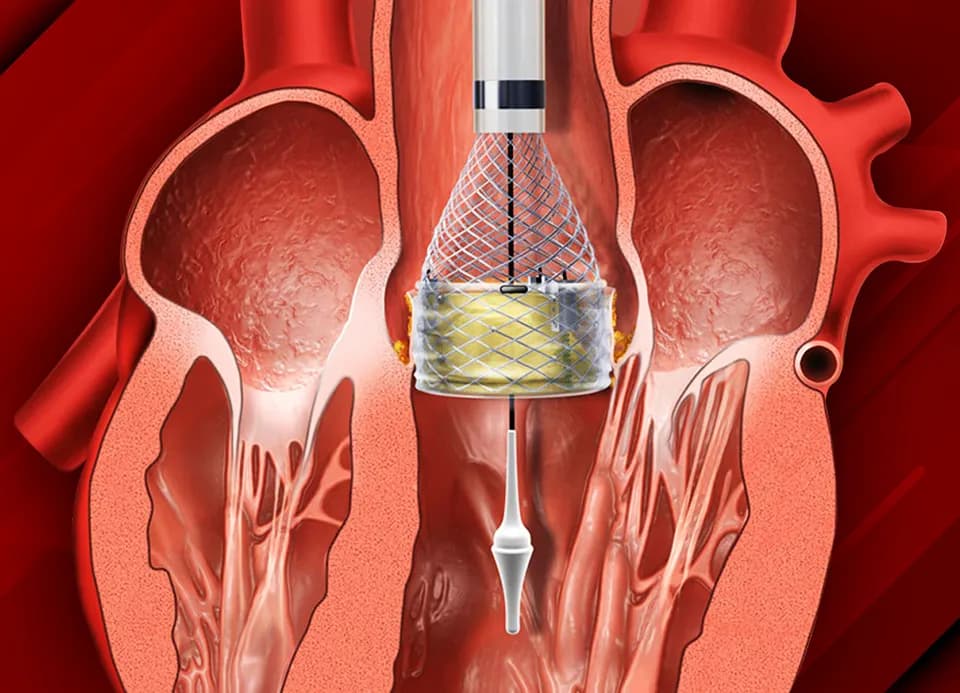
TAVI / TAVR

Option 1

TAVI / TAVR

For aortic valve disease (aortic stenosis)

Aortic stenosis (narrowed aortic valve). Often presents with breathlessness, chest pain, dizziness or fainting.

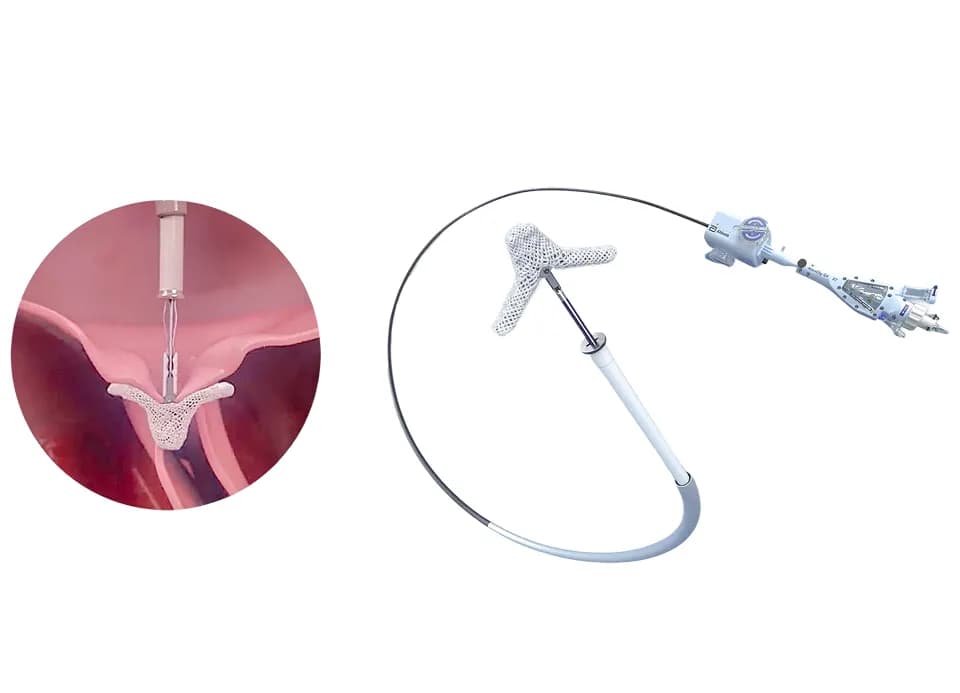
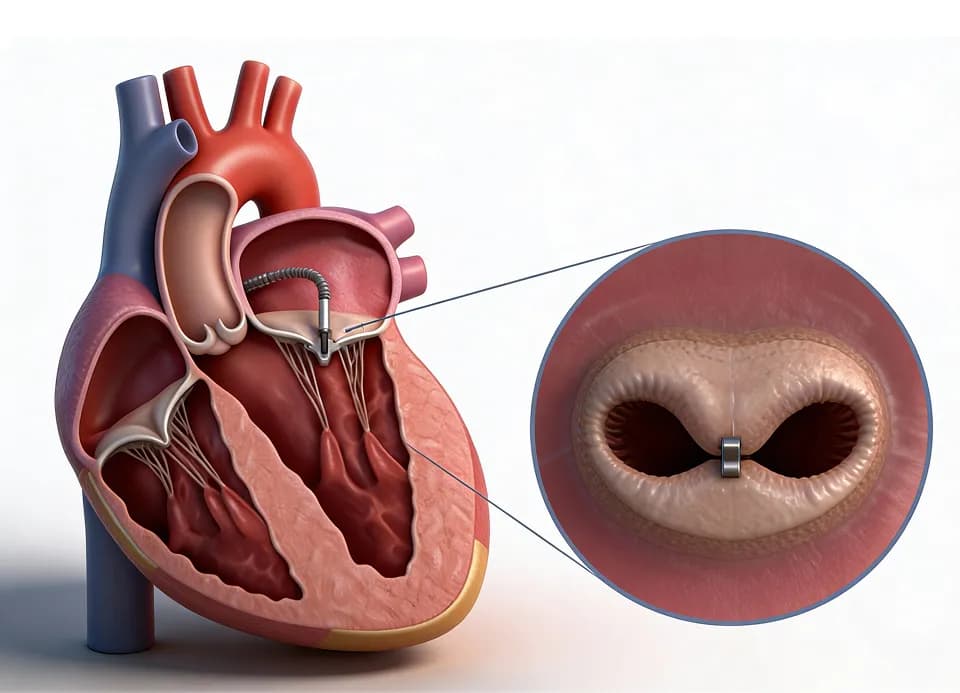
MitraClip / TEER

Option 2

MitraClip / TEER

For mitral valve leakage (mitral regurgitation)

May present with breathlessness, fatigue, swelling, or reduced exercise tolerance.

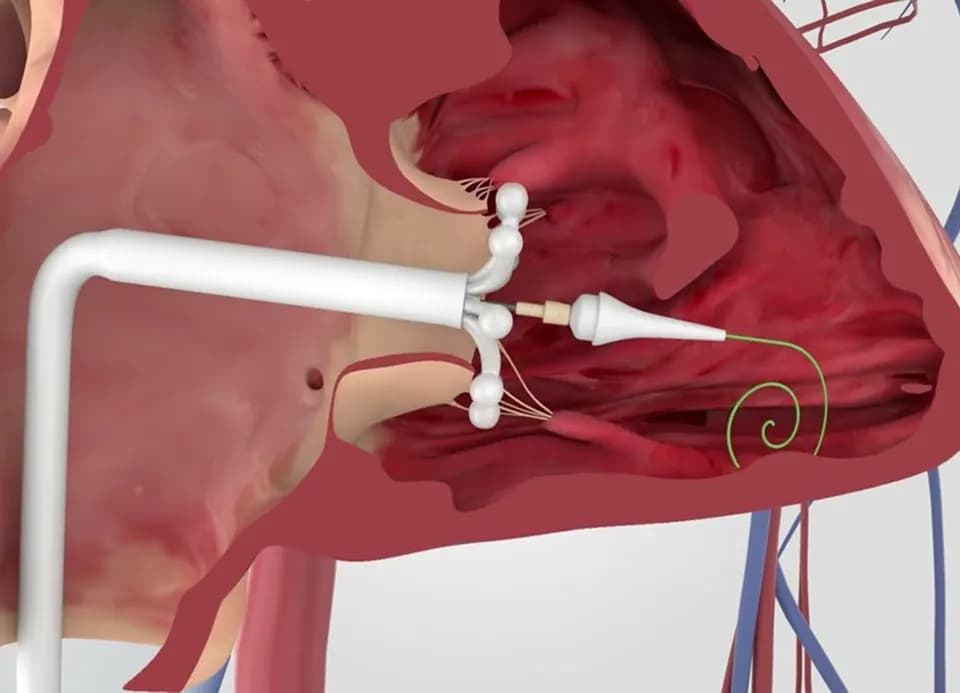
TMVR

Option 3

TMVR

For selected complex mitral valve conditions

Considered in specific situations when repair or conventional surgery may not be suitable.

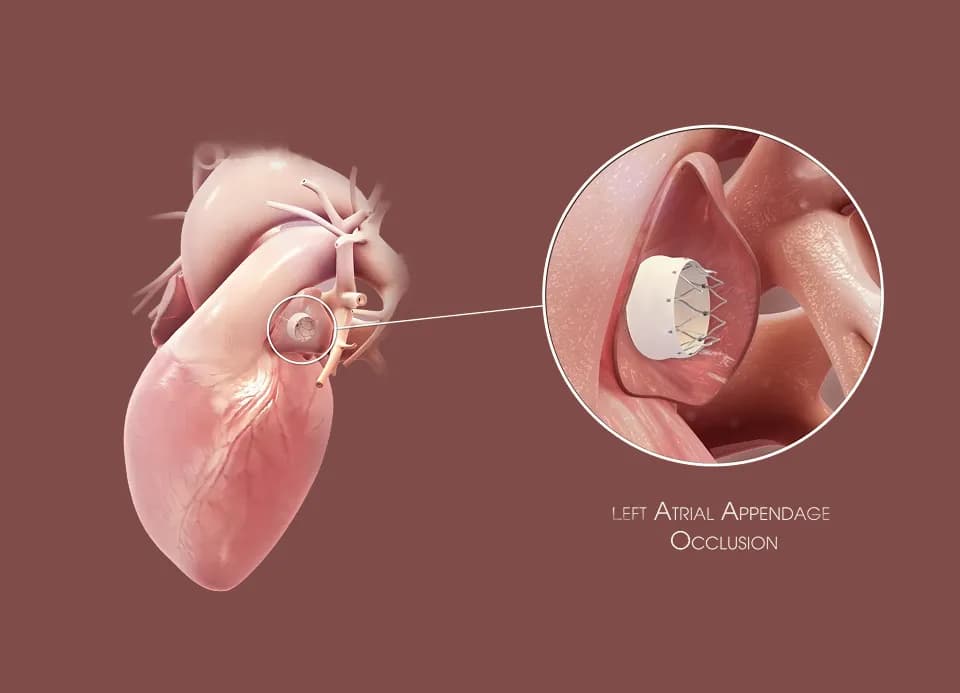
LAAO

Option 4

LAAO

For atrial fibrillation patients at risk of stroke

May be considered when long-term blood thinners are not suitable.

Device Closure

Option 5

Device Closure

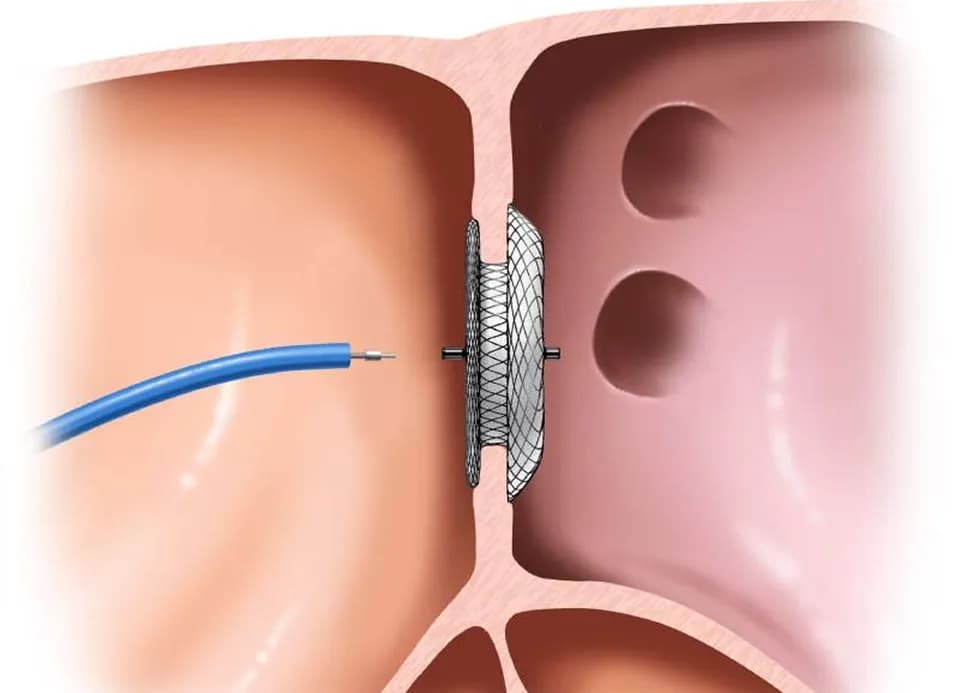
For selected structural heart defects (ASD, PFO, VSD or PDA)

Considered for abnormal heart openings that can be closed using catheter-based devices.

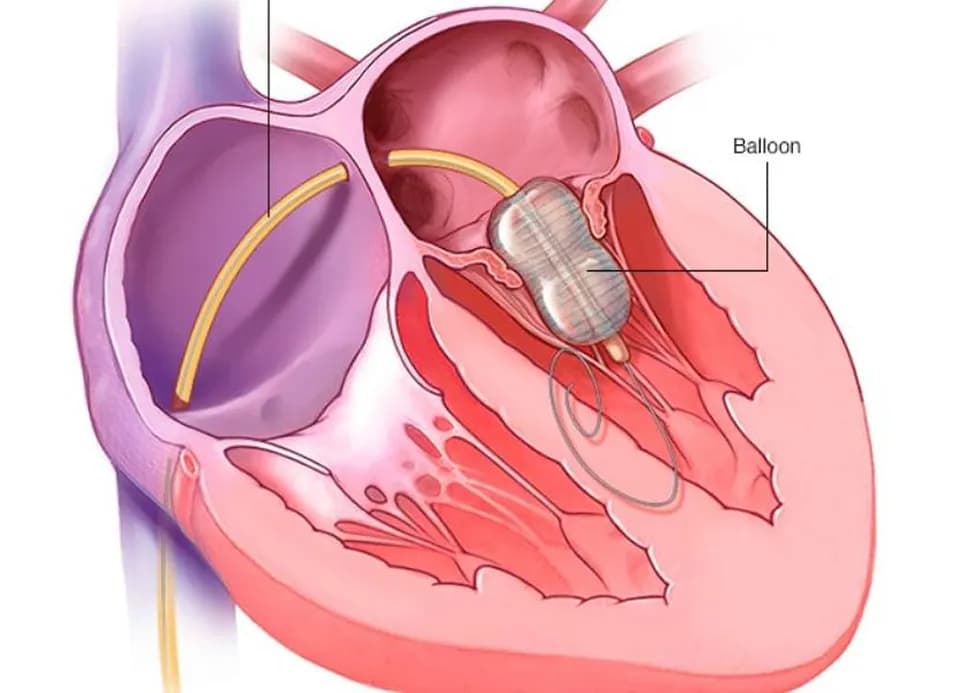
Balloon Valvuloplasty

Option 6

Balloon Valvuloplasty

For narrowed heart valves

May improve valve opening in specific cases, depending on anatomy and condition.

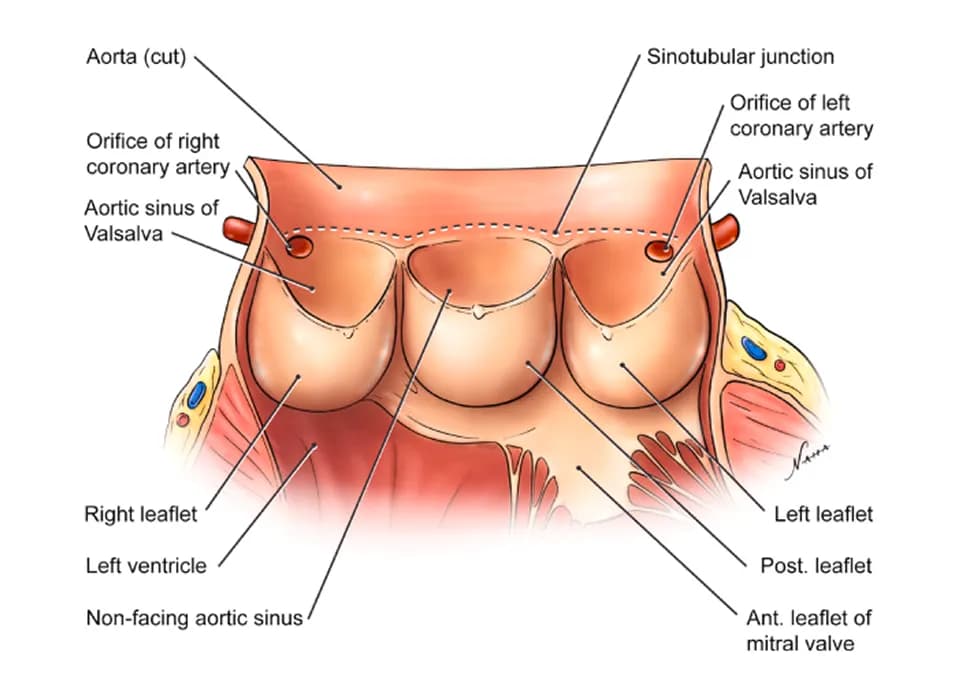
RSOV Device Closure

Option 7

RSOV Device Closure

For ruptured sinus of Valsalva (RSOV)

A structural defect that may be treated using catheter-based closure in selected patients.

Tricuspid Valve Intervention

Option 8

Tricuspid Valve Intervention

For tricuspid valve regurgitation

Often associated with fluid retention, leg swelling, abdominal swelling, or fatigue.

Meet Our Heart Valve Specialists

Heart valve treatment requires specialised expertise, precise judgement, and a multidisciplinary approach. Our team routinely manages complex valve cases referred for second opinions and high-risk assessment.

Dr. Ankur U. Phatarpekar

Dr. Ankur U. Phatarpekar

M.D., D.M. (Cardiology), FSCAI, Interventional Cardiologist, TAVI and Structural Heart Specialist

Dr. Meghav Manoj Shah

Dr. Meghav Manoj Shah

M.D. (Internal Medicine), D.M., D.N.B. (Cardiology), AFESC, Cardiac Surgeon in Mumbai, TAVI & Structural Heart Specialist

Dr. Amit S. Gangwani

Dr. Amit S. Gangwani

DNB (Medicine), DrNB (Cardiology), Interventional Cardiologist, Director, Heart Vascular Stroke Group of Hospitals

Dr. Harshad Sagar Uttamrao

Dr. Harshad Sagar Uttamrao

DNB (General Medicine), DrNB (Cardiology), Interventional Cardiologist, Optical Coherence Tomography & Coronary Imaging Specialist

Dr. Kunal Ajay Patankar

Dr. Kunal Ajay Patankar

M.D. (Medicine), DrNB (Cardiology), Interventional Cardiologist, Advanced Cardiac Imaging and TAVR Specialist

Dr. Aniruddha Pawar

Dr. Aniruddha Pawar

M.D. (Internal Medicine), D.M. (Cardiology), FSCAI, Interventional Cardiologist, Expert in Complex Coronary and Structural Heart Interventions

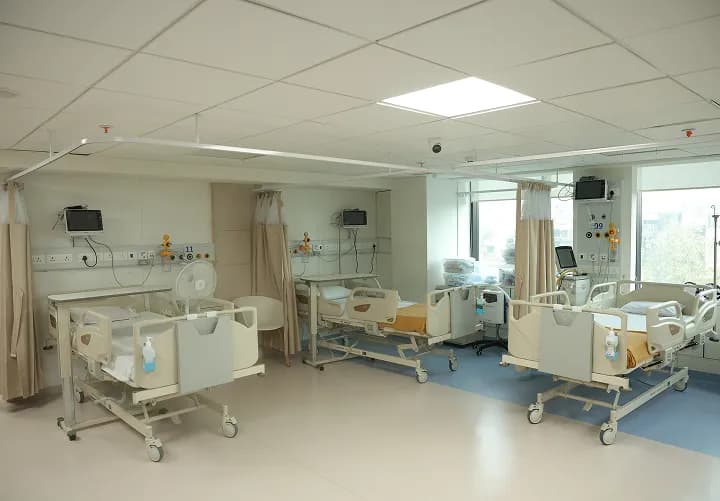
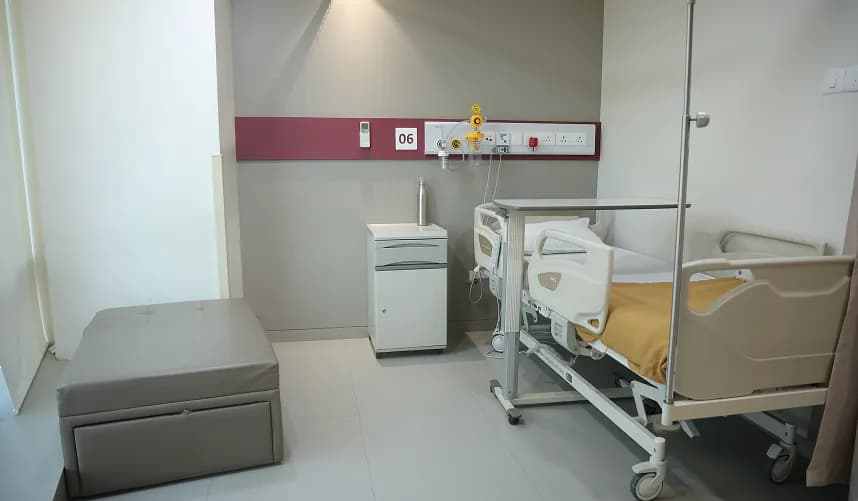
ICU facilityPatient room
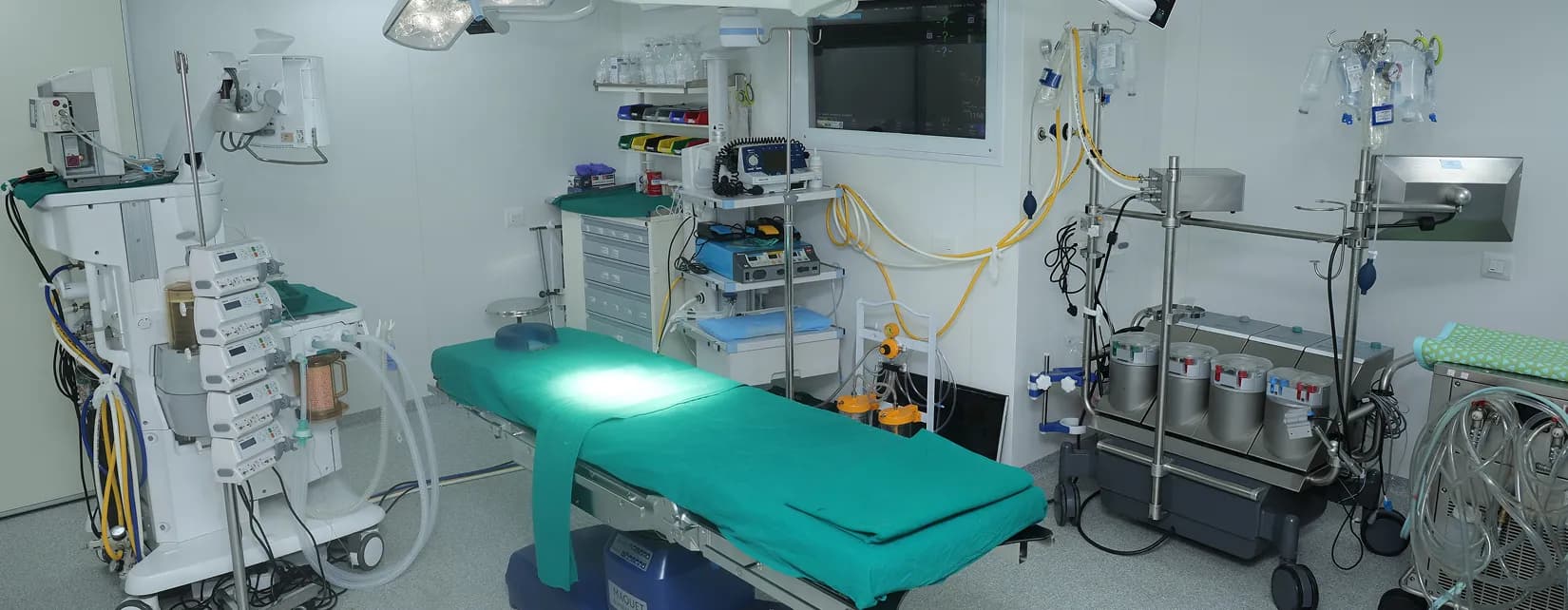
Cardiac cath lab

Our Associations and Advanced Infrastructure

Successful valve procedures depend not only on expertise but also on the clinical ecosystem supporting them, including our hospital associations and advanced cardiac infrastructure.

This ecosystem is critical for safely managing high-risk and complex valve cases, especially for elderly patients.This ecosystem is critical for safely managing high-risk and complex valve cases, especially for elderly patients.

Doctors Affiliation

P.D. Hinduja Hospital
Breach Candy Hospital
S.L. Raheja Hospital
Wockhardt Hospital
Life Wins
Wockhardt Hospital
Life Wins

How Your Valve Treatment Is Planned and Performed

Step 1 - Specialist Consultation

Review of diagnosis, symptoms, and prior reports.

Step 2 - Advanced Diagnostic Imaging

Detailed imaging to assess valve anatomy and suitability.

Step 3 - Heart Team Decision

Joint review by valve specialists and imaging experts.

Step 4 - Minimally Invasive Valve Procedure

Performed in a controlled cardiac cath lab environment.

Step 5 - Recovery and Follow-Up

Post-procedure monitoring and structured follow-up care.

Cardiac procedure in cath lab

Patient Experience

Looking for top cardiologists in Mumbai for valve disease evaluation? Here’s how Heart Valve Experts supports a clear, report-based decision.

R. Khanna

Mumbai

R

I was advised against open-heart surgery due to my age. After evaluation, the doctors explained a safer alternative. The recovery was smoother than I expected.

N. Mehta

Ahmedabad

N

What gave us confidence was the clarity and honesty of the team. They explained suitability before suggesting anything.

A. Sharma

Jaipur

A

I had been told surgery was the only option. The valve specialists reviewed my reports carefully and explained other possible approaches.

Consultation

Talk to a Heart Valve Specialist About Your Options

If open-heart surgery has been described as high risk, a timely specialist review can help determine whether safer valve treatment options exist.

FAQs

Frequently Asked Questions

Suitability depends on valve condition, anatomy, age, and overall health. Evaluation is essential.