Logo

Seeking a Second Opinion on Your Heart Valve Condition?

Not every heart valve condition requires open-heart surgery.

At Heart Valve Experts, we evaluate each patient individually reviewing your imaging, anatomy, symptoms, and risk before recommending the right path forward.
Discuss Your Valve Treatment Options

*All enquiries are reviewed by a dedicated heart valve specialist.

Doctor holding heart model

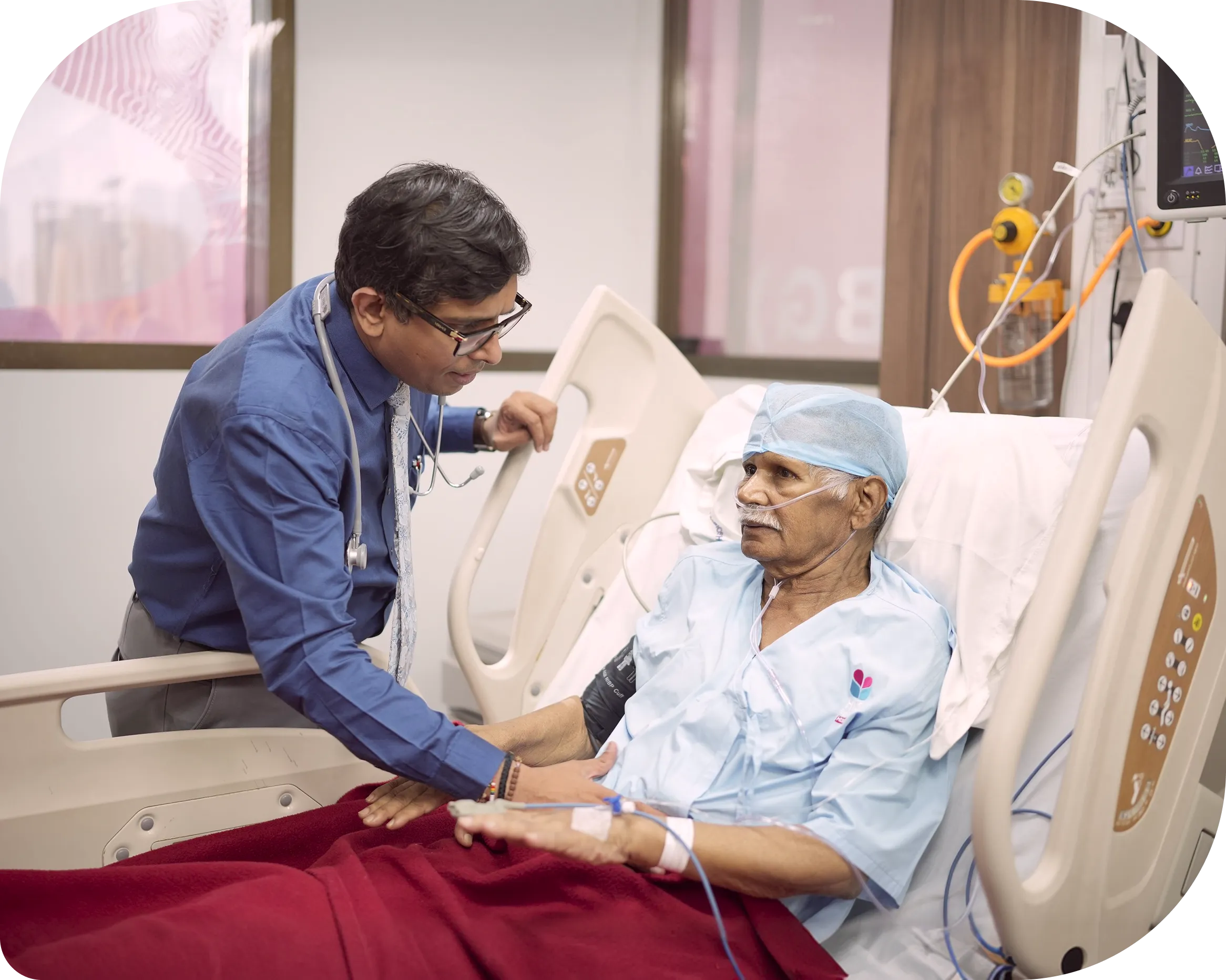
Why a Second Opinion

A Second Opinion Can Change Everything

When a patient is advised heart valve surgery, it is natural to feel anxious. But before you decide, it is important to know that modern cardiac medicine has changed significantly and for many patients, the chest does not need to be opened at all.

What does a specialist second opinion involve?

Our dedicated Heart Valve and Structural Heart specialists review every case from scratch using advanced imaging and international clinical protocols to determine whether a transcatheter option may be appropriate for you.

  • Independent review of all existing reports and imaging

  • Advanced 3D echo and CT analysis if required

  • Honest assessment surgery recommended only when truly necessary

  • Clear explanation of all available options

A second opinion does not mean rejecting your doctor's advice. It means ensuring every option has been properly considered before a decision is made.

ABOUT HVE

A Dedicated Valve Team. Structured Evaluation. Patient-First Care.

Heart Valve Experts is a focused structural heart and valve practice in Mumbai, led by Dr Ankur Umbre, a globally trained cardiologist. Every case we see is reviewed with the same rigour: advanced imaging, multi-disciplinary discussion, and an outcome-focused plan for each individual patient.

Dr. Ankur U. Phatarpekar

Dr. Ankur U. Phatarpekar

M.D., D.M. (Cardiology), FSCAI, Interventional Cardiologist, TAVI and Structural Heart Specialist

Dr. Meghav Manoj Shah

Dr. Meghav Manoj Shah

M.D. (Internal Medicine), D.M., D.N.B. (Cardiology), AFESC, Cardiac Surgeon in Mumbai, TAVI & Structural Heart Specialist

Dr. Amit S. Gangwani

Dr. Amit S. Gangwani

DNB (Medicine), DrNB (Cardiology), Interventional Cardiologist, Director, Heart Vascular Stroke Group of Hospitals

Dr. Harshad Sagar Uttamrao

Dr. Harshad Sagar Uttamrao

DNB (General Medicine), DrNB (Cardiology), Interventional Cardiologist, Optical Coherence Tomography & Coronary Imaging Specialist

Dr. Kunal Ajay Patankar

Dr. Kunal Ajay Patankar

M.D. (Medicine), DrNB (Cardiology), Interventional Cardiologist, Advanced Cardiac Imaging and TAVR Specialist

Dr. Aniruddha Pawar

Dr. Aniruddha Pawar

M.D. (Internal Medicine), D.M. (Cardiology), FSCAI, Interventional Cardiologist, Expert in Complex Coronary and Structural Heart Interventions

First in Western India

To introduce advanced TAVI technology

Hundreds of Procedures

Successful valve interventions with strong outcomes

First in India

To lead a human trial of next-generation valve therapy

TAVI

Evaluation

Our Evaluation Process

We begin with a thorough assessment and not a procedure recommendation. Using advanced 3D cardiac imaging, symptom review, anatomical analysis, and international clinical protocols, we determine the safest and most suitable path for each patient.

  • 1.

    Review of your existing reports and imaging

    We begin by carefully reviewing all existing echocardiography, CT scans, clinical letters, and discharge summaries you share with us.

  • 2.

    Advanced 3D echo and CT imaging if required

    Where existing imaging is insufficient, we arrange high-resolution 3D cardiac imaging to assess valve anatomy, severity, and suitability for transcatheter options.

  • 3.

    Multi-disciplinary team case discussion

    Every case is reviewed in a structured MDT meeting with interventional cardiologists, imaging specialists, and cardiac anaesthetists before any recommendation is made.

  • 4.

    Recommendation with full meeting at your consultation

    You receive a clear, personalised recommendation — whether that is a transcatheter procedure, surgical referral, or continued monitoring — explained in plain language.

PROCEDURES WE OFFER

Minimally Invasive Valve Procedures at Heart Valve Experts

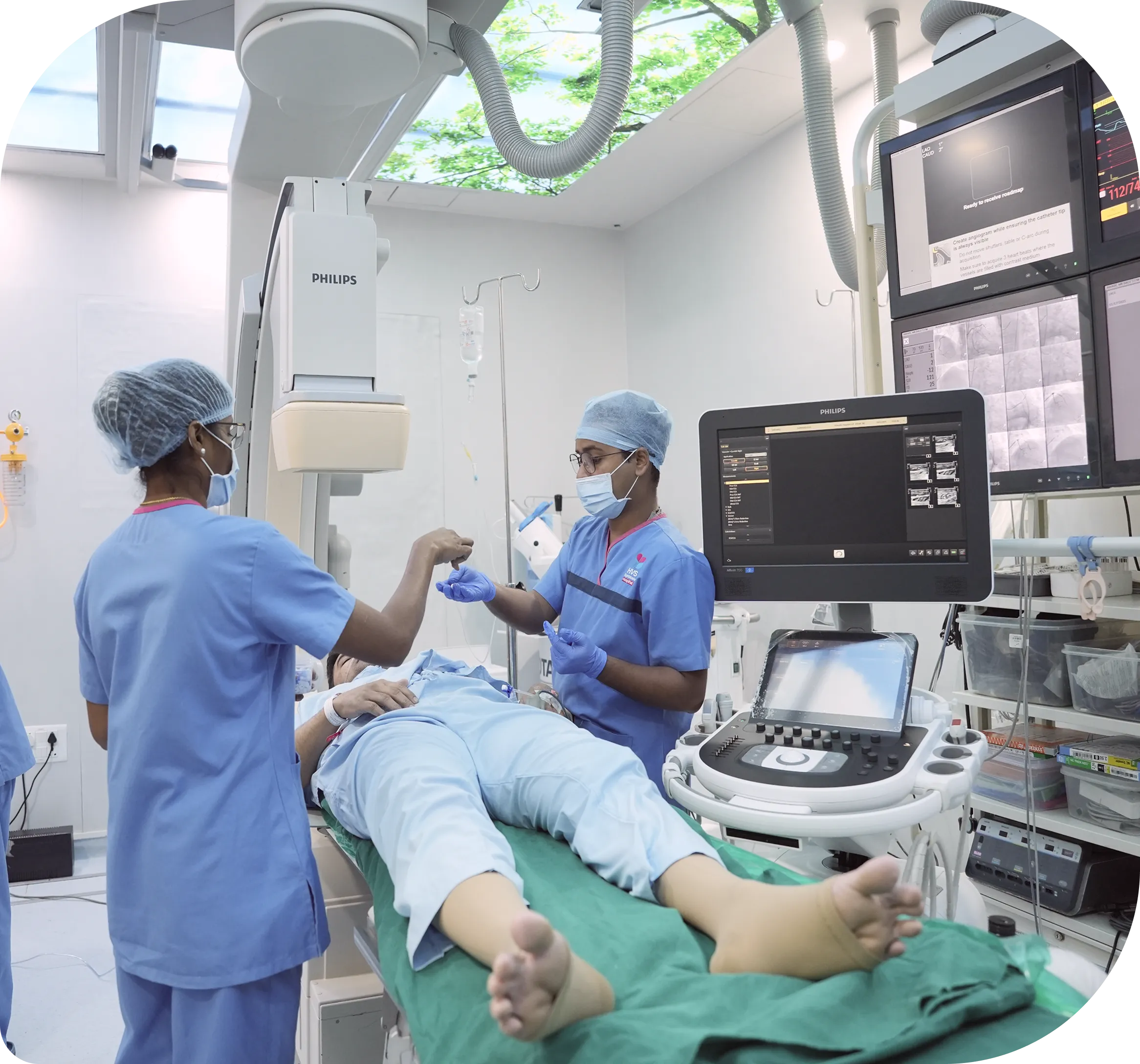
Not every patient is a candidate for a catheter-based procedure. That determination is made only after a structured evaluation, which is exactly what our evaluation appointment provides.

TEER / MitraClip

TEER / MitraClip

Transcatheter Mitral Valve Edge-to-Edge Repair

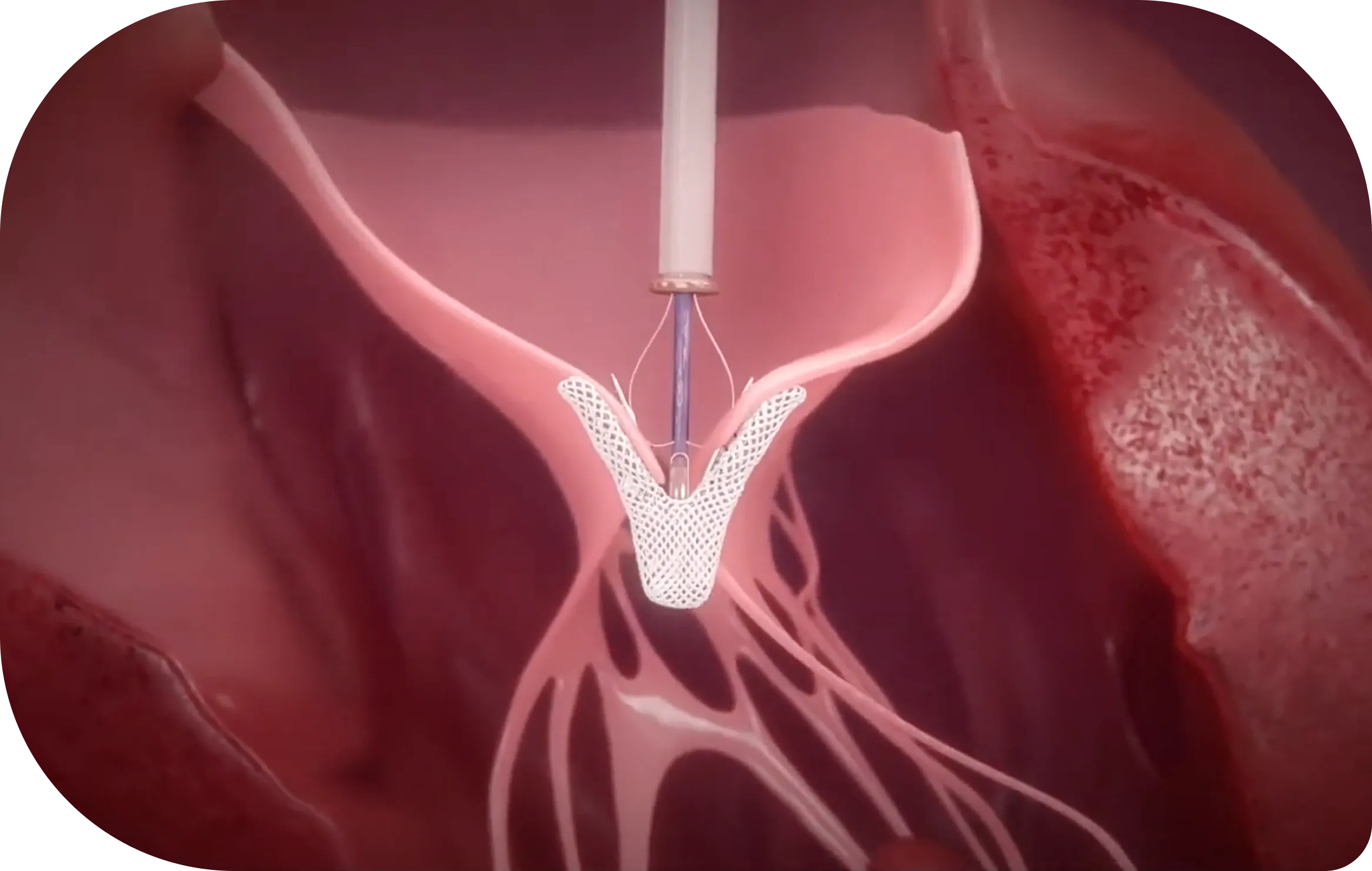
MV TEER allows our specialist team to repair a leaking mitral valve using a catheter without opening the chest. It is particularly recommended for patients with significant mitral regurgitation who are at elevated surgical risk or prefer to avoid open surgery.

Suitable for:

  • Significant mitral regurgitation

  • High or intermediate surgical risk

  • Previously declined for surgery

Consultation Process

Three Simple Steps to Clarity

01

Share your reports

Upload your existing cardiac reports, echo or CT imaging through our secure form. Our team reviews every document before your consultation so no time is wasted at the appointment.

02

Team review

Dr Ankur and the team review your case. A coordinator will contact you within 24 hours to confirm your appointment and advise if any additional imaging is needed beforehand.

03

Understand your options

At your consultation, we explain every suitable path clearly, gently, and without pressure. You leave knowing exactly where you stand and what your realistic options are.

consultation

FAQs

Frequently Asked Questions

Not for every patient but for a significant number, yes. Whether a transcatheter option is suitable depends on your specific anatomy, symptoms, age, surgical risk, and overall health. A specialist evaluation is the only way to determine this accurately. We review each case individually using advanced imaging before making any recommendation.
Consultation

Get Your Reports Reviewed by a Specialist

If you or a family member has been advised heart valve surgery, the most important first step is an independent specialist evaluation. Conditions such as significant mitral regurgitation or aortic stenosis may now be treated without open-heart surgery but this can only be confirmed after a proper review.

No obligation. Evidence-based. Patient-first.