
 Who it’s for?
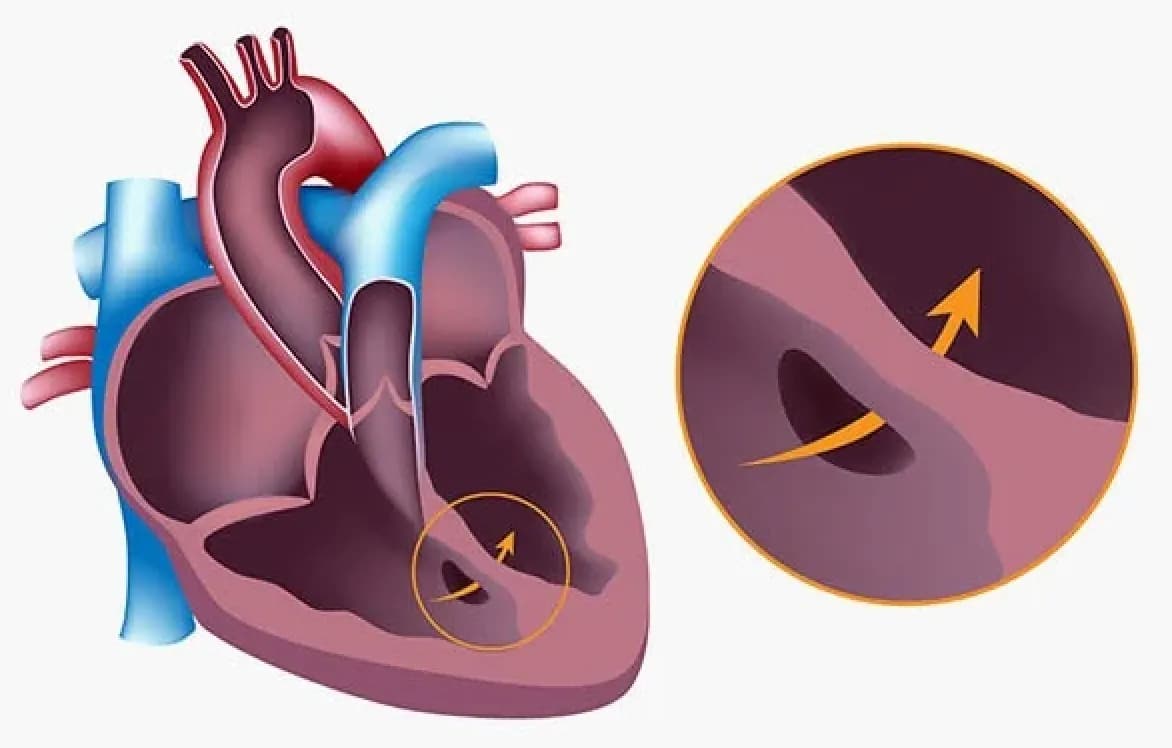
Device closure is a minimally invasive procedure used to close abnormal openings in the heart that are present from birth. These openings cause the blood to flow abnormally between heart chambers, placing strain on the heart and lungs over time.
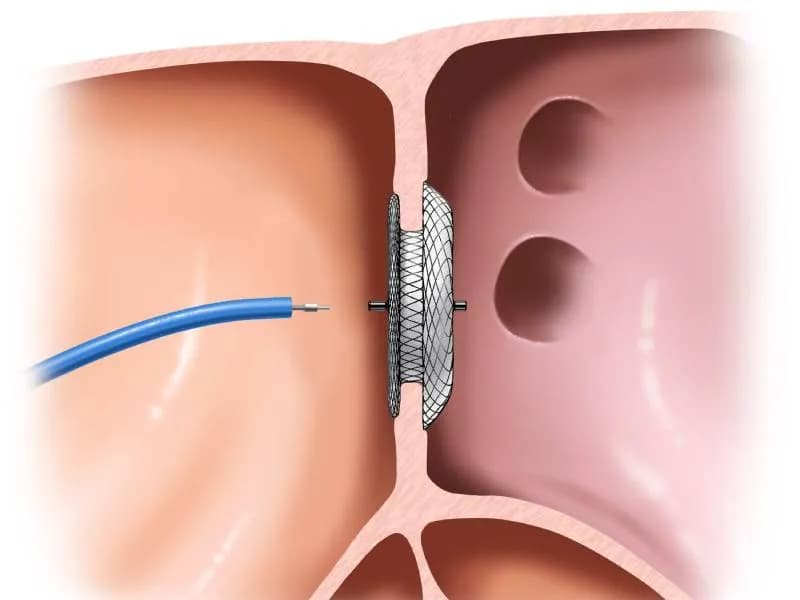
Instead of surgery, a specialised closure device is guided to the heart through a blood vessel, usually a leg. Once positioned correctly, the device seals the defect and remains permanently in place.
What Sets us Apart
Not all heart defects require surgery. Device closure is commonly used for specific types of congenital heart disease, including:
 Atrial Septal Defect (ASD) Device Closure : A specialised device is placed across the opening between the upper heart chambers to stop abnormal blood flow and reduce strain on the heart and lungs.Patent Foramen Ovale (PFO) Device Closure : A small closure device seals the flap-like opening between the atria that did not close after birth, helping lower the risk of stroke in selected patients.Selected Ventricular Septal Defects (VSD) Device Closure : In some cases, a device is used to close the hole between the lower heart chambers without having to do open-heart surgery. This depends on the size and location of the defect.Patent Ductus Arteriosus (PDA) Device Closure : A catheter-delivered device is used to close the abnormal blood vessel connection between major arteries, preventing excess blood flow to the lungs.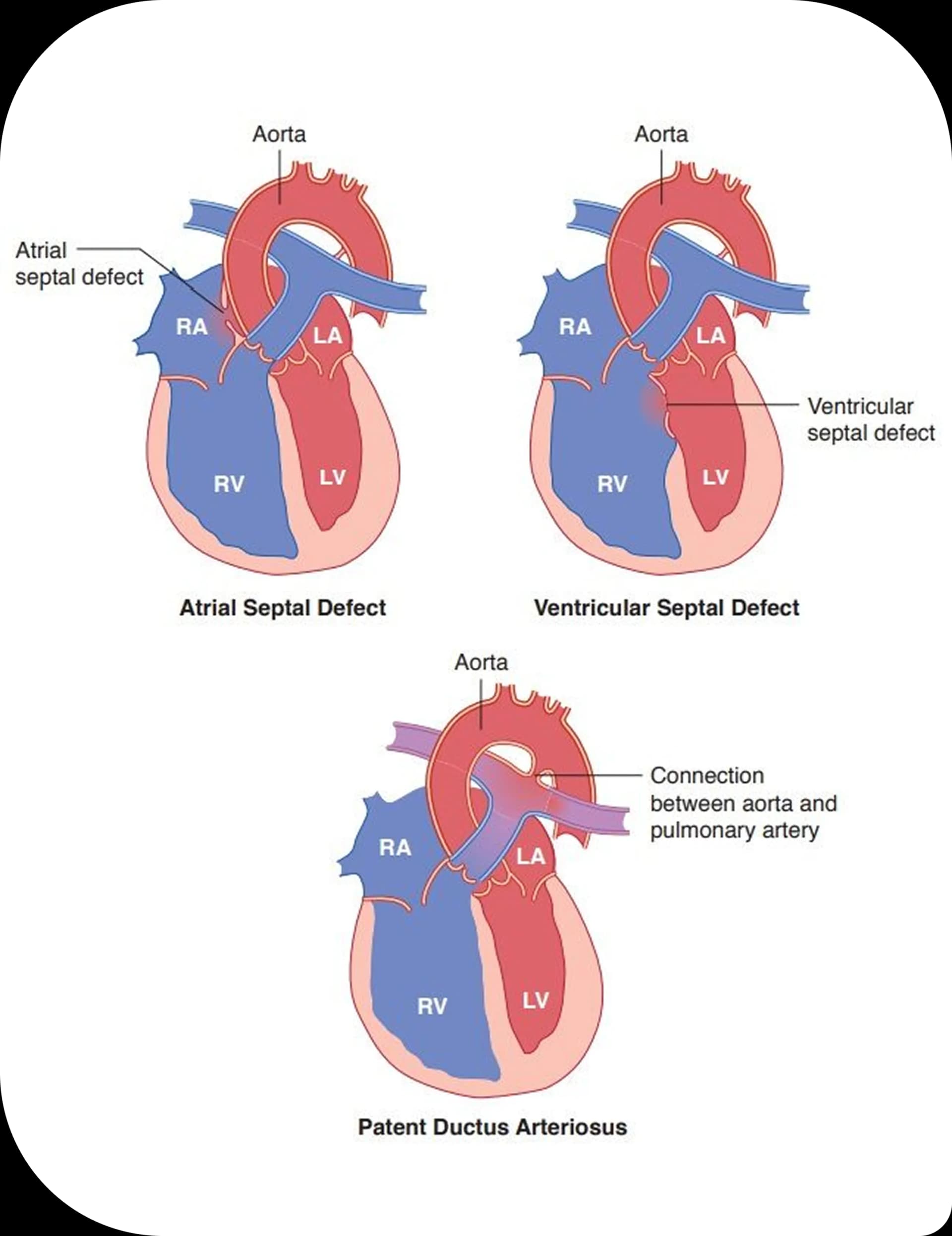
About
Device closure is not appropriate for every patient. A detailed evaluation is essential before recommending this approach.
Patients may be considered if:
The defect is well-defined and suitable for device placement.Heart anatomy allows stable positioning of the device.There is evidence of abnormal blood flow or symptoms.Open surgery can be safely avoided.Each case is reviewed individually to prioritise safety and long-term outcomes.

About
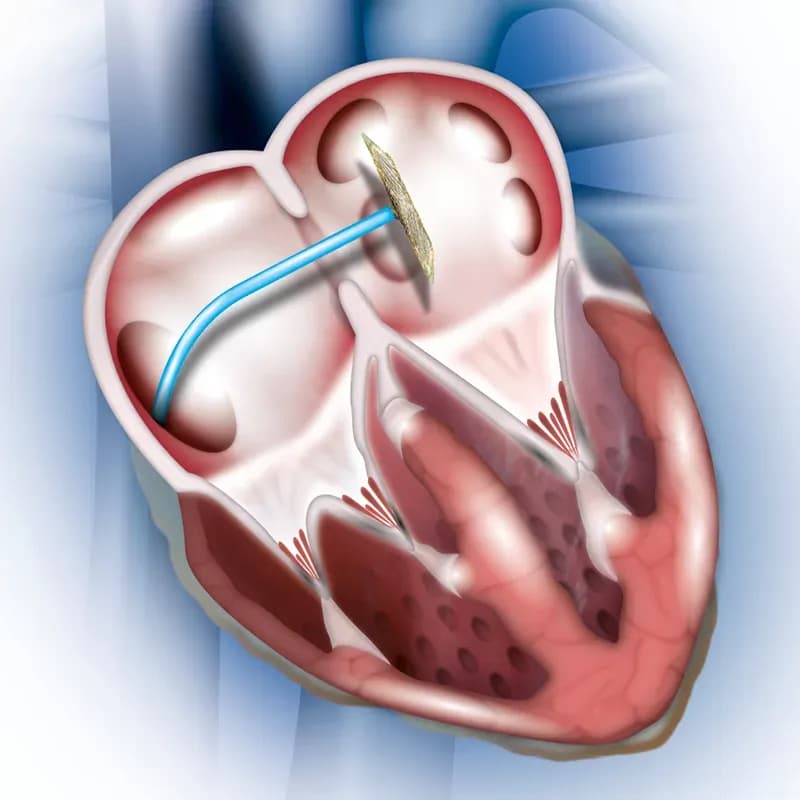
The procedure is performed in a cardiac catheterisation laboratory. A thin, flexible tube is guided through a blood vessel to the heart under imaging guidance.
Once the device is positioned across the defect, it is carefully released to seal the opening. The heart tissue gradually grows around the device, securing it in place. The procedure typically does not require opening the chest.
Who it’s For
For suitable patients, device closure may offer several advantages:
No open-heart surgeryNo large chest incisionShorter hospital stayPrevious cardiac surgeryFaster recoveryReduced physical traumaBenefits depend on correct patient selection and procedural expertise.

Who it’s for?
Device closure is not suitable for all congenital heart defects. Larger, complex, or unfavourably positioned defects may still require surgical repair.
The decision between device closure and surgery is based on detailed imaging, clinical findings, and long-term safety considerations. The focus is always on choosing the most appropriate treatment, not the least invasive one.

This ensures decisions are guided by precision, experience, and patient safety.

FAQs