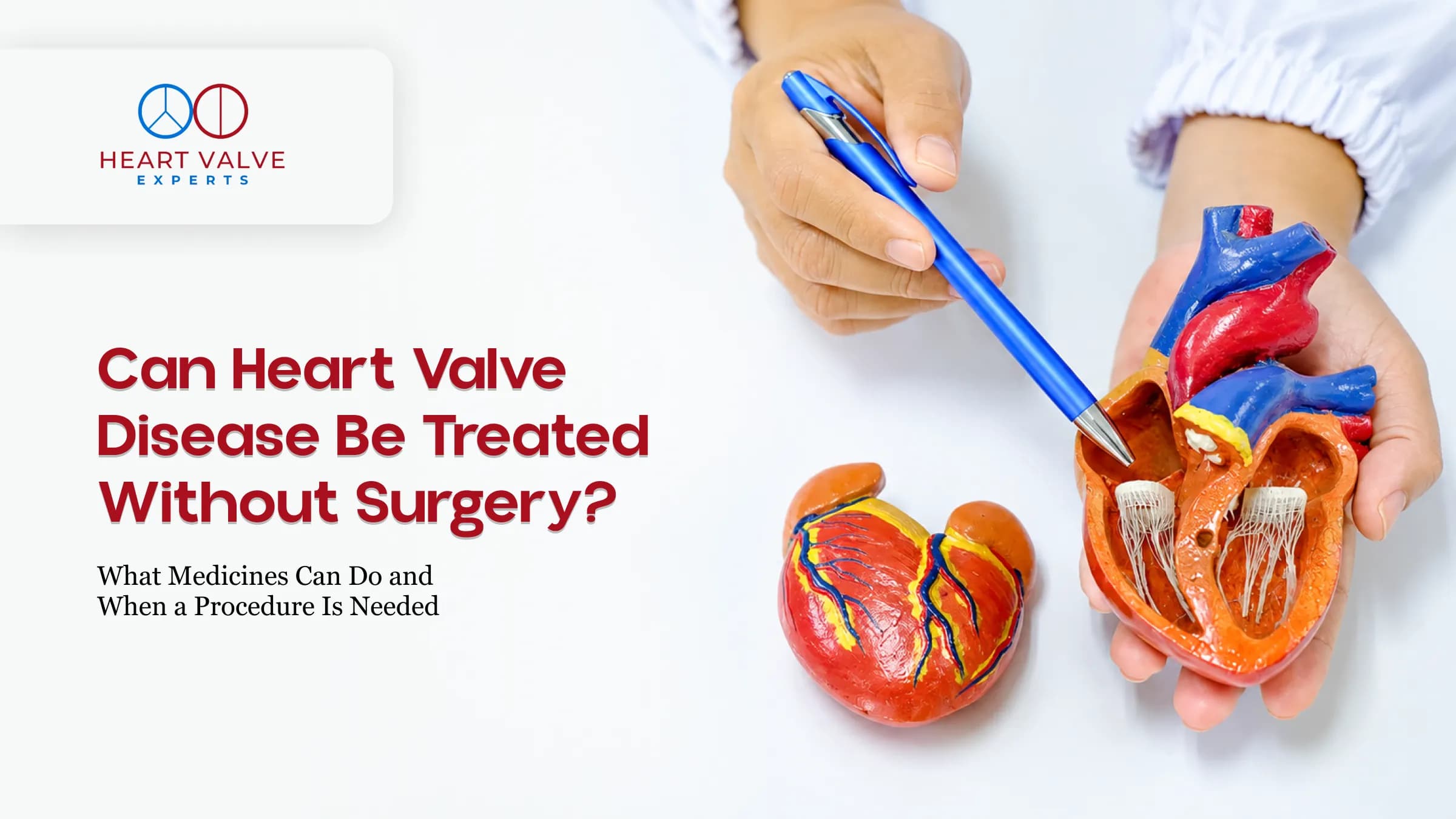
If you have been told you have heart valve disease, surgery may be the first thing that comes to mind. But that is not always where the conversation has to start. Depending on the type of valve affected, how severe the condition is, and your overall health, there are meaningful non-surgical options available, ranging from medications that manage symptoms to minimally invasive procedures that repair the valve without opening the chest at all.
Here is an honest guide of what is possible and where the limits lie.
Your heart has four valves that keep blood moving in the right direction. When one or more of these valves becomes damaged or diseased, it can either narrow (stenosis), causing the heart to work harder to push blood through, or leak (regurgitation), allowing blood to flow backward instead of forward.
Common causes include age-related calcium buildup, rheumatic fever, congenital defects, infections, and conditions like high blood pressure or heart failure. The aortic and mitral valves are most commonly affected.
Not every case requires immediate surgery. Many people live with mild to moderate valve disease for years with careful monitoring and the right treatment.
It is important to understand that heart valve disease treatment without surgery does not mean medication will fix or reverse the structural problem. What medication can do is, manage symptoms, reduce the workload on the heart, slow disease progression, and lower the risk of complications, often delaying or in some cases avoiding the need for surgery altogether.
Medications commonly used include:
How long medication can hold things stable depends entirely on the severity of the valve problem and how the heart is responding over time. Your cardiologist will track this closely with regular echocardiograms.
For mild valve disease without symptoms, waiting is a commonly recommended approach. This means regular check-ups, echocardiograms at defined intervals, and monitoring for any changes in heart size or function.
Mitral valve prolapse with no significant Mitral Regurgitation, for example, often requires no treatment beyond monitoring, as it rarely progresses to a stage that needs intervention. Similarly, mild aortic stenosis in an otherwise healthy person may be watched for years before any action is needed.
Monitoring is an active strategy with clear triggers for when the next step becomes necessary.
When medication is no longer enough and the valve disease has progressed, surgery is not the only path forward. Catheter-based procedures have changed the landscape of heart valve treatment significantly, offering options for patients who are too high-risk for open-heart surgery or who prefer a less invasive route.
TAVI/ TAVR (Transcatheter Aortic Valve Implantation/ Replacement)
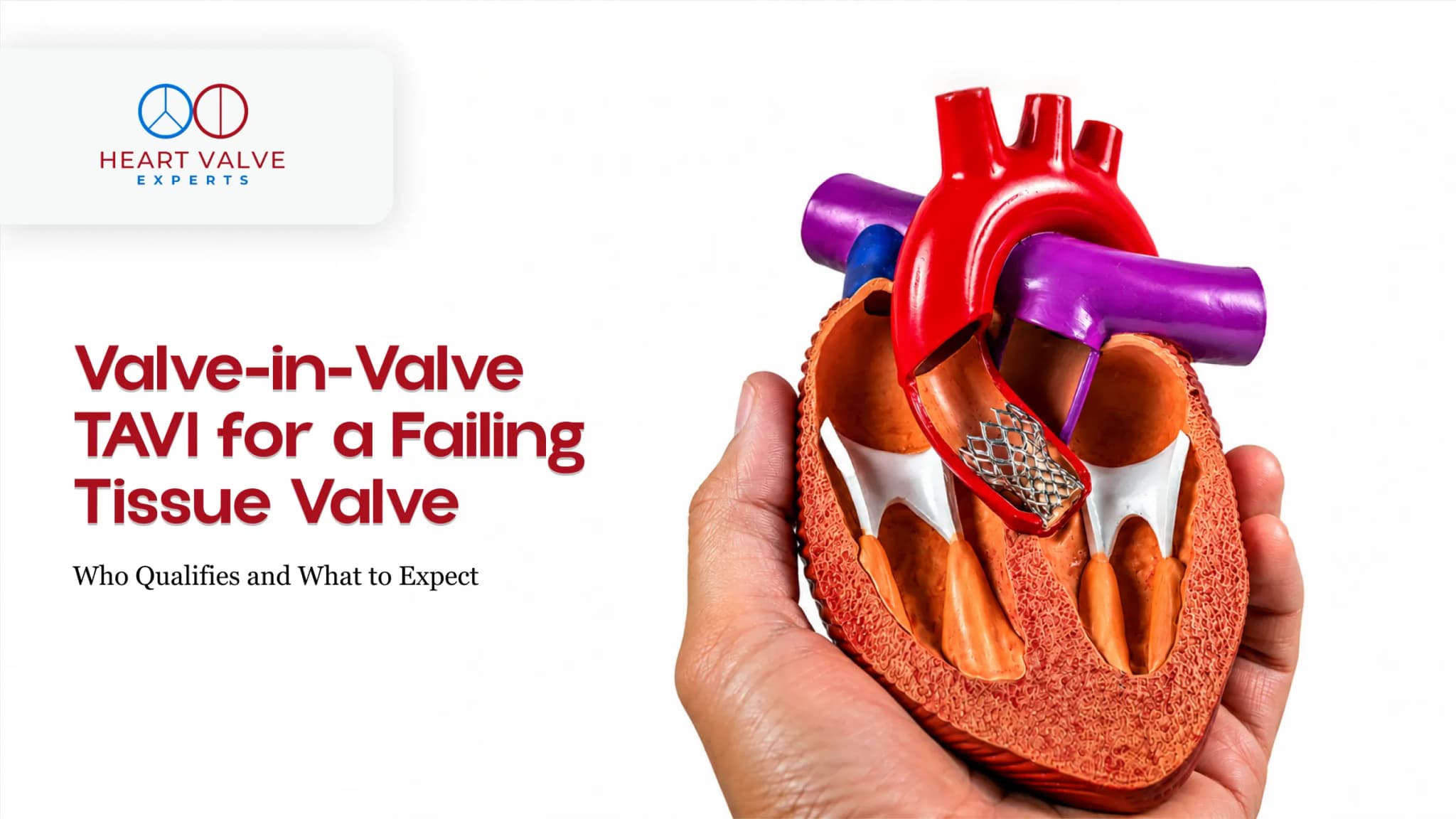
Used for severe aortic stenosis, TAVR involves threading a catheter through an artery in the groin and guiding a collapsible replacement valve to the heart, where it is deployed inside the existing diseased valve. There is no chest incision, no stopping of the heart, and recovery is considerably faster than traditional surgery. TAVR was initially developed for patients who could not tolerate surgery, but its use has expanded to lower-risk patients as well.
MitraClip (Transcatheter Mitral Valve Repair)
For patients with mitral regurgitation, the MitraClip is a device delivered via catheter through the groin vein. It clips together the two leaflets of the mitral valve to reduce the backward flow of blood. It does not require opening the chest and is particularly suited to patients who are elderly, frail, or have other conditions that make surgery high-risk.
Balloon Valvuloplasty
This procedure uses a balloon-tipped catheter to widen a narrowed valve. It is most commonly used in younger patients with mitral stenosis or as a bridge to surgery in those who are not yet stable enough for a more definitive procedure. It is generally not a long-term fix, as the valve can narrow again over time.
Catheter-based procedures and medications have their limits. There are situations where open-heart valve repair or replacement remains the most appropriate and effective option:
The decision is never made in isolation. A multidisciplinary team including a cardiologist and a cardiac surgeon reviews each case, weighing the risks of surgery against the risks of not acting.
Getting the treatment right starts with the right workup. Tests used to assess heart valve disease and guide treatment decisions include:
Heart valve disease can be stable for a long time, but certain symptoms are a signal that things have changed and need immediate evaluation:
Do not wait for a scheduled appointment if these occur. They can indicate the heart is under significant strain and that intervention may no longer be something that can wait.
Heart valve disease does not automatically mean you are heading for the operating theatre. Medication can do a great deal to keep symptoms manageable and protect heart function. And when more is needed, catheter-based procedures now offer real alternatives for many patients who are not candidates for traditional surgery. The goal is always to match the right treatment to the right person at the right time. If you have been diagnosed with valve disease, the most important thing you can do is stay engaged with your care team, attend your follow-ups, and speak up when something feels different.
If you have been told you have heart valve disease and are unsure what comes next, the team at Heart Valve Experts is here to help. Whether you are exploring non-surgical options, need a second opinion, or want to understand whether a catheter-based procedure is right for you, our specialists will walk you through every option with clarity and without pressure. Your heart deserves expert attention. Reach out to us today and take the first step toward the right care.
Medication cannot repair a damaged valve structurally, but it can effectively manage symptoms and slow progression, reducing the strain on the heart.
It depends on the type and severity of the valve affected. Mild cases with regular monitoring can remain stable for many years, while severe untreated disease, particularly aortic stenosis, can significantly shorten life expectancy. Timely treatment, surgical or otherwise, greatly improves outcomes.
Through catheter-based procedures such as TAVR for aortic stenosis, MitraClip for mitral regurgitation, and balloon valvuloplasty for certain types of narrowing. These are delivered through a small incision in the groin, with no need to open the chest.
Commonly used medications include diuretics for fluid management, beta-blockers and calcium channel blockers for heart rate control, ACE inhibitors for blood pressure and heart load reduction, and anticoagulants when clot risk is elevated.
It can be, particularly when left untreated or unmonitored. However, with appropriate management, many people with valve disease live full, active lives for many years.
Lifestyle changes alone cannot treat valve disease, but maintaining a healthy weight, controlling blood pressure, avoiding smoking, and staying active support overall heart health and can help slow progression.
Valve repair preserves the original valve structure and is generally preferred when possible. Valve replacement involves removing the diseased valve and inserting a mechanical or tissue prosthesis. Both can now be performed surgically or, in eligible patients, through catheter-based techniques.

About The Author
With over 15 years of expertise, Dr. Phatarpekar is recognised as a renowned interventional cardiologist in Mumbai, specialising in complex coronary interventions, structural heart procedures, and pioneering work in Transcatheter Aortic Valve Implantation (TAVI).
● Blogs