Most people do not know they have a heart blockage until their body sends them a signal they can no longer ignore a tightness in the chest, breathlessness on a walk they used to do easily, or a fatigue that sleep just does not fix. The question that follows is almost always the same: how do I know for sure? Is there a test for this?
The answer is yes. There are several reliable heart blockage tests available today, ranging from simple scans to more detailed investigations. Knowing which test is right for you, what each one involves, and when to seek help can make all the difference between catching a problem early and dealing with a crisis later.
This blog walks you through everything you need to know about how to detect heart blockage, what the best tests are, and what options are available once a blockage is confirmed.
Before diving into tests, it helps to understand what a blockage actually means. Your heart is constantly working to pump blood around your body, and it needs its own supply of blood to do that job. This blood is delivered through a network of arteries called the coronary arteries.
Over time, a fatty, waxy substance called plaque can build up inside the walls of these arteries. This narrows the passage available for blood to flow through much like a limescale slowly narrowing a pipe. When the narrowing becomes significant, the heart muscle does not receive enough blood, particularly during exertion. This is what we call a heart blockage, or coronary artery disease.
When a blockage happens suddenly and completely usually because a piece of plaque ruptures and triggers a clot it cuts off blood supply entirely. That is a heart attack. Early detection through the right heart blockage test is what prevents it from ever getting to that point.
This is one of the most common questions people search for and it deserves an honest answer.
There is no test you can perform at home that can confirm or rule out a heart blockage. However, your body does give warning signs that should never be dismissed. If you notice any of the following, it is time to get a proper medical evaluation:
These symptoms do not automatically mean you have a blockage but they are your body’s way of asking to be checked. No app, smartwatch reading, or home monitoring device can replace a clinical evaluation. What you can do at home is take these signals seriously and act on them promptly.
If you have been experiencing any of these symptoms, a conversation with a cardiologist is the most important step you can take. With the right evaluation, most blockages and cardiac conditions can be detected early enough to make a real difference to your outcome.
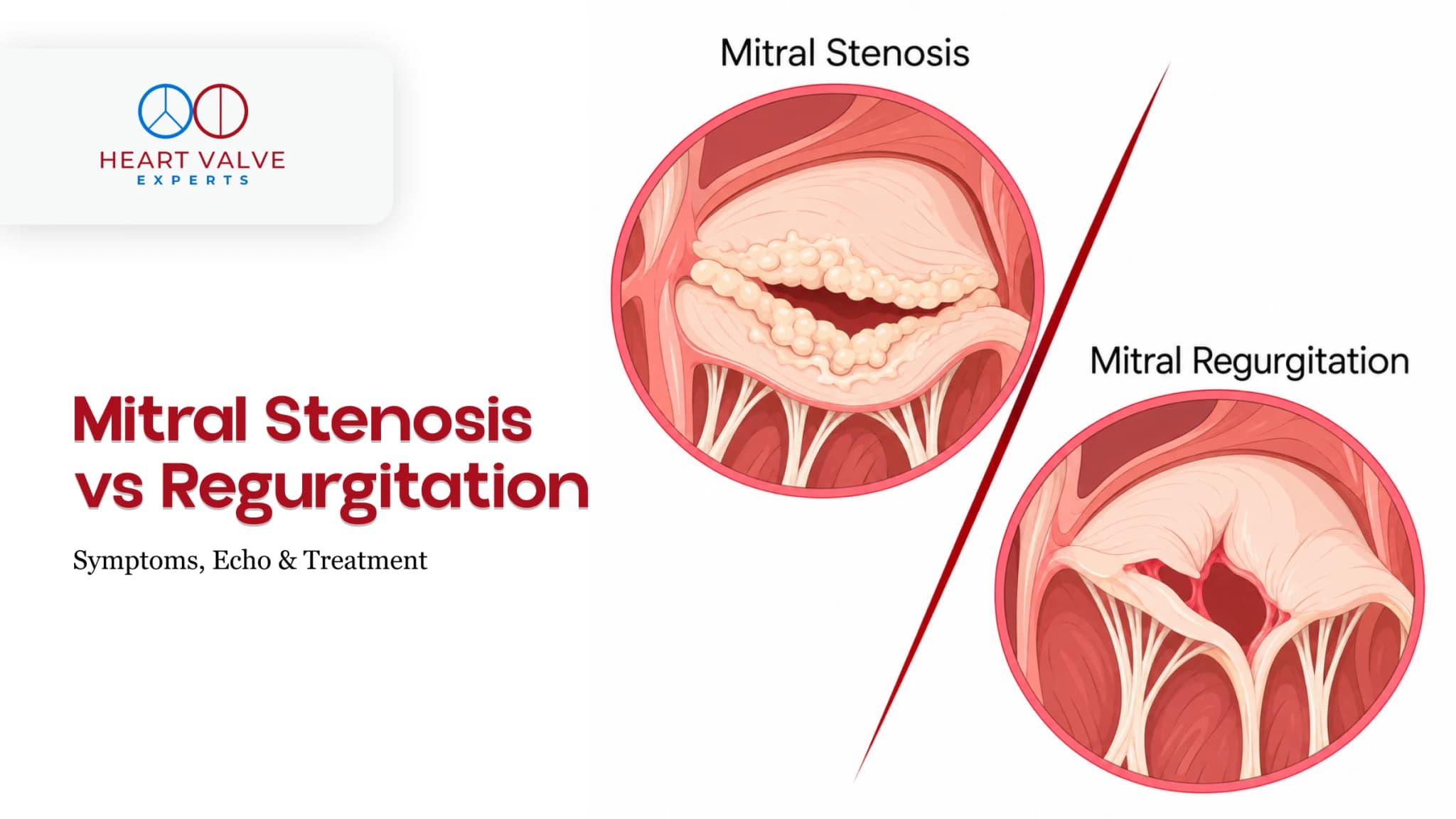
Research has found that coronary artery disease was detected in 26.4% of patients with mitral stenosis and 57.7% of patients with aortic stenosishighlighting how closely heart blockages and valve disease can overlap, and why a thorough cardiac evaluation matters.
Thus, sometimes the symptoms of a heart blockage and heart valve disease can feel exactly the same breathlessness, chest discomfort, or unusual fatigue. If your tests have not given you a clear answer yet, or if you have been told your valves may also be involved, our team at Heart Valve Clinic in Mumbai specialises in identifying and treating complex structural heart conditions. Book a consultation here.
Once you see a cardiologist, they will recommend one or more of the following tests depending on your symptoms, age, risk factors, and medical history.
This is usually the first test done. It records the electrical activity of your heart through small sticky pads placed on your chest, arms, and legs. It is painless, takes about five minutes, and gives your doctor an immediate snapshot of your heart rhythm and any signs of previous or current strain on the heart muscle.
An ECG alone cannot diagnose a blockage, but it can flag abnormalities that tell your doctor whether further investigation is needed urgently.
A stress test checks how your heart behaves when it is working harder than usual. You walk on a treadmill at increasing speeds while your heart is monitored. The idea is simple: at rest, a partially blocked artery may not cause any obvious problem, but under exertion, when the heart needs more blood, a narrowing becomes apparent.
This test is widely used as an early screening tool for coronary artery disease and is one of the most accessible tests to know heart blockage in a clinical setting.
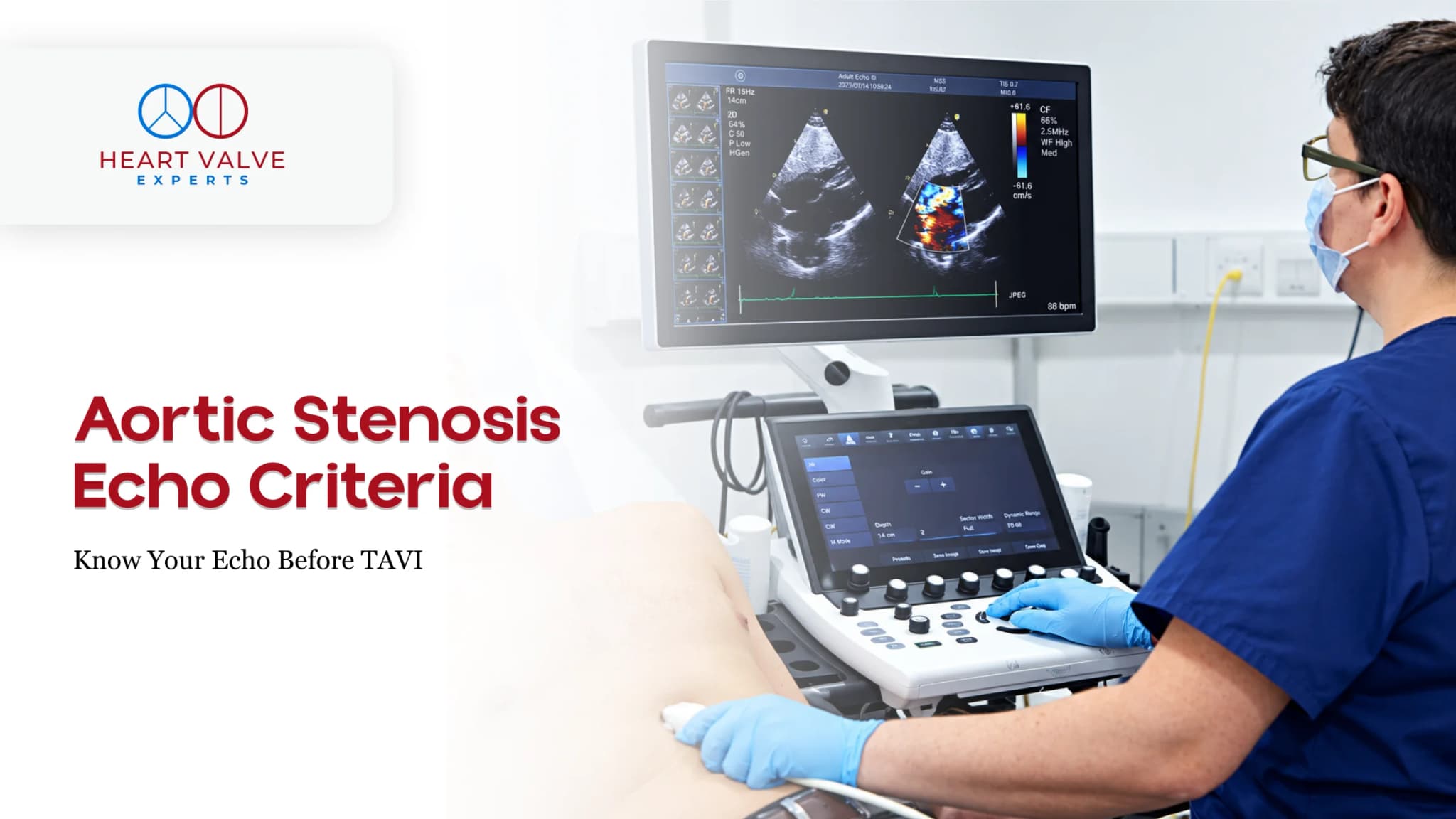
An echocardiogram is an ultrasound of the heart. It creates a live picture of your heart’s chambers, walls, and valves, showing how well the heart is pumping and whether any areas of the heart muscle appear weakened which can indicate a reduced blood supply from a blocked artery.
It is completely painless and non-invasive. At Heart Valve Experts, echocardiography is a cornerstone of cardiac evaluation and is used alongside other investigations to build a complete picture of heart health. You can read more about how heart valve disease is diagnosed and treated on our website.
This is one of the best tests for heart blockage in patients at low to intermediate risk. It uses a CT scanner and a contrast dye injected into a vein to produce detailed images of the coronary arteries, showing exactly where any narrowing or blockage is located and how significant it is.
It is non-invasive with no catheters, no hospital admission and typically takes under an hour. The images produced are remarkably detailed and give cardiologists a precise map of the coronary circulation.
A cardiac MRI provides highly detailed images of the heart muscle and can detect areas that have been damaged by a blocked artery, even if the patient has not experienced an obvious heart attack. It is particularly useful in complex or unclear cases where other tests have not provided a definitive answer.
This is the gold standard for how to diagnose blockage in the heart with certainty. A thin tube called a catheter is inserted into an artery usually in the wrist or groin and guided to the coronary arteries. A contrast dye is then injected and X-ray images are taken in real time, showing exactly where blockages are, how many there are, and how severe they are.
Unlike a CT angiogram, this is an invasive procedure and is typically recommended when other tests suggest a significant blockage, or when the cardiologist needs to assess whether an intervention such as stenting or bypass surgery is required. The advantage is that treatment can sometimes be carried out in the same sitting if a blockage is found.
Certain blood markers can indicate whether the heart muscle has been under stress or has suffered damage. Troponin, for example, is a protein released into the bloodstream when heart muscle cells are injured. Elevated troponin levels are a key marker used in emergency settings to diagnose a heart attack. Lipid profiles and blood sugar levels also help assess the risk of blockages developing over time.
There is no single answer: the right heart blockage test depends on your individual situation. A young person with mild, atypical symptoms may start with an ECG and stress test. Someone with a stronger family history of heart disease, multiple risk factors, or more concerning symptoms may be fast-tracked to a CT angiogram or coronary angiography.
This is why a cardiologist’s assessment is irreplaceable. They will take your history, examine you, and recommend the most appropriate investigation, not the most expensive one, and not a one-size-fits-all approach.
A confirmed blockage does not automatically mean open-heart surgery. Treatment depends on how many blockages are present, how severe they are, where they are located, and your overall health.
Options range from lifestyle changes and medication for mild cases, to minimally invasive procedures such as angioplasty and stenting for moderate blockages, to coronary artery bypass surgery for more complex, multi-vessel disease.
If your blockage is also affecting a heart valve, procedures like TAVI or TEER/MitraClip may be relevant depending on the valve involved. You can also learn about open heart surgery versus minimally invasive heart surgery to understand what different treatment paths involve.
If you are experiencing symptoms, do not wait for them to get worse. If you have risk factors such as high blood pressure, diabetes, high cholesterol, a family history of heart disease, or a history of smoking, a proactive cardiac check-up is worth scheduling even without symptoms.
Early detection through the right heart blockage test gives you the widest range of treatment options and the best possible outcomes. The heart is remarkably resilient when given the right care at the right time.
If you have been feeling something is not quite right with your heart, or if a routine check-up has flagged something worth investigating, our team at Heart Valve Experts in Mumbai is here to guide you through the next steps.
Book your cardiac evaluation today.
No. Symptoms like chest tightness or breathlessness can be warning signs, but only a proper clinical evaluation can confirm or rule out a blockage.
Several tests may be used including an ECG, stress test, echocardiogram, or a CT coronary angiogram. Your cardiologist will recommend the right one based on your symptoms and risk profile.
It depends on your individual situation. A CT coronary angiogram provides detailed images of the coronary arteries but your cardiologist may recommend further investigation depending on the findings.
In many cases, yes. Depending on the severity, treatment may range from lifestyle changes and medication to minimally invasive procedures. Your cardiologist will advise the most suitable option.
Heart related chest pain often feels like pressure or tightness and may spread to the arm, jaw, or neck. However, only a proper medical assessment can determine the cause. Always get it checked.
References:
Turfan, M. et al. (2014) ‘Evaluation of the prevalence of coronary artery disease in patients with valvular heart disease’, Journal of Cardiothoracic Surgery, 9(1), p. 153. Available at: https://pubmed.ncbi.nlm.nih.gov/25179559

About The Author
With over 15 years of expertise, Dr. Phatarpekar is recognised as a renowned interventional cardiologist in Mumbai, specialising in complex coronary interventions, structural heart procedures, and pioneering work in Transcatheter Aortic Valve Implantation (TAVI).
● Blog