If you have been told that you may need heart-valve surgery or a catheter-based procedure, you may have important questions before travelling abroad for treatment. Is the diagnosis clear? How severe is the valve problem? Is the proposed procedure appropriate? Are there other options worth discussing?
A medical second opinion can help you understand these questions before making major travel or treatment decisions.
For international patients considering treatment in India, a remote review can allow a specialist or multidisciplinary heart team to examine available medical records and identify what may need further assessment. However, an online review has limitations. It does not necessarily establish a final diagnosis, confirm eligibility for a procedure or replace an in-person examination and any additional investigations that may be required.
This guide explains what to submit, how heart-valve cases may be reviewed and what questions to ask before planning your journey.
Seeking another medical opinion does not necessarily mean your first doctor was wrong. A second opinion can be particularly useful when you are facing a major procedure or when several treatment approaches may need to be considered.
The American Heart Association encourages patients to consider a second opinion when a major procedure such as heart-valve replacement has been recommended.
You might consider a cardiology second opinion when:
This is particularly relevant for complex valve disease. Current European guidance emphasises the role of multidisciplinary Heart Teams and specialist Heart Valve Centres in managing complex cases and choosing appropriate interventions.
The usefulness of a remote review depends heavily on the quality and completeness of the information available.
Start with the records you already have rather than arranging every possible investigation yourself.
A specialist may ask for some combination of:
Not every patient needs every test on this list. Do not arrange CT, angiography or invasive investigations solely because they appear in an online checklist. The appropriate tests depend on the valve condition, existing results and treatment being considered.
CTA: Get a preliminary heart-valve review before planning travel.
Button: Request an Expert Opinion
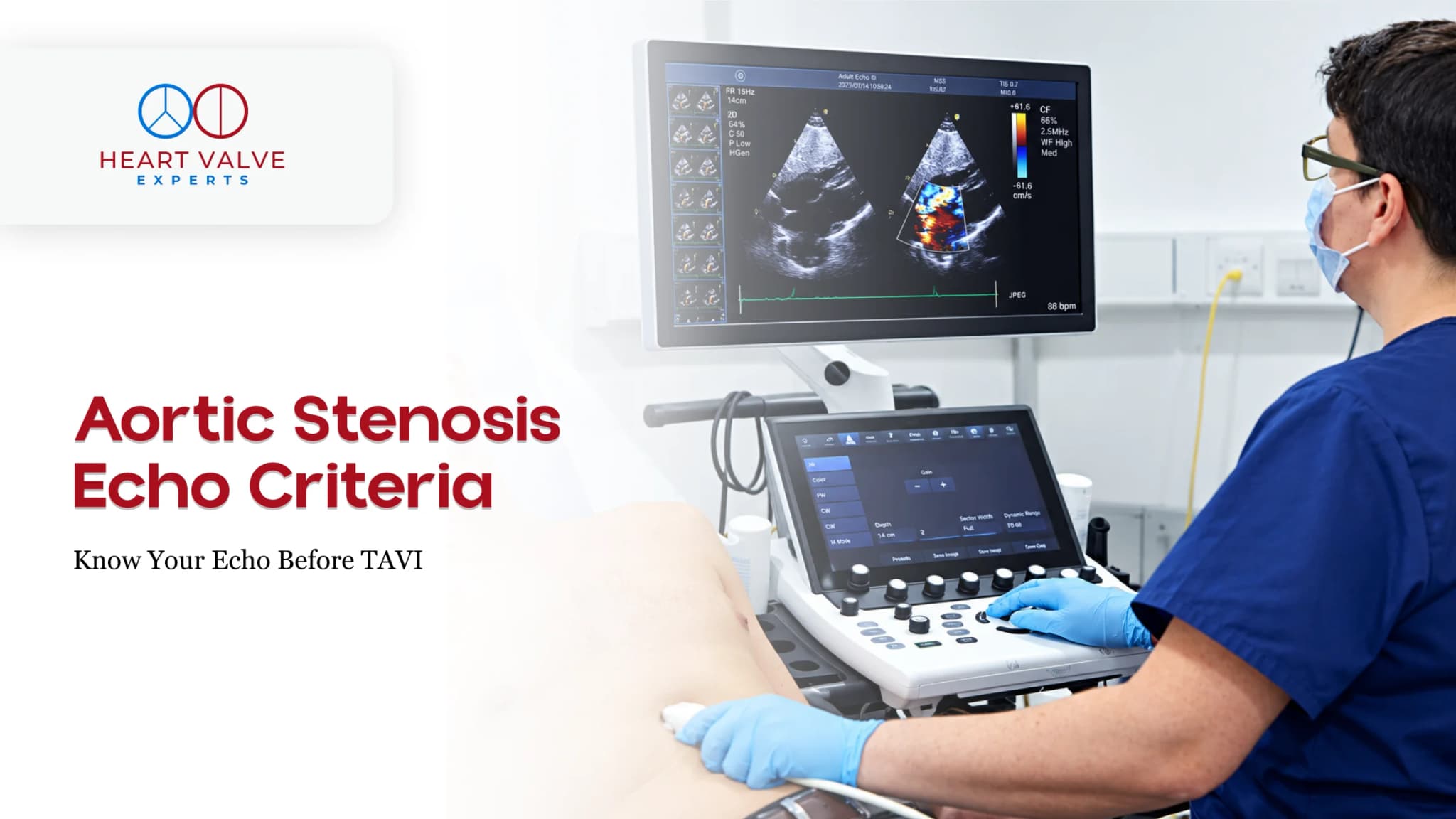
An echocardiogram, often called an echo, uses ultrasound to create images of the heart.
It is usually the first test used to evaluate heart-valve disease and can provide information about the valve structure, whether a valve is narrowed or leaking, heart chamber size and how effectively the heart pumps.
For a second opinion, the written echo report is useful, but access to the original images may provide additional information when they are available and suitable for review.
A heart-valve specialist may consider the echo findings together with your symptoms and other clinical information. This matters because treatment decisions should not be based on one measurement in isolation.
ACC/AHA guidance similarly recommends correlating the patient’s history and physical findings with non-invasive testing. When the information does not agree, additional imaging or invasive testing may sometimes be required.
Sometimes, but not automatically.
Cardiac CT can provide detailed images of the heart, valves and surrounding structures. It may be used when additional anatomical information is required or as part of planning for particular valve interventions.
If you already have CT images and reports, include them. If not, the reviewing team can indicate whether further imaging may be worth discussing after reviewing your existing records.
Some patients being evaluated for valve intervention may already have undergone coronary angiography or cardiac catheterisation.
Cardiac catheterisation can provide information about pressures and blood flow and may be useful when other findings are insufficient or unclear. It is not required for every person with valve disease.
Submit the report and images if you already have them.
Recent relevant blood results can help the team understand your broader health and may be required as part of further assessment or treatment planning.
The exact tests required depend on your health, medications and proposed treatment. A remote reviewer should not assume that a generic blood-test panel is appropriate for every patient.
Imaging tells only part of the story.
When requesting an online medical second opinion, provide a clear medical history alongside your reports. Include:
Do not stop, start or change prescribed medication simply to prepare for an online second opinion or international travel. Medication changes should be discussed with the clinician responsible for your care.
Heart reports contain personal health information, so share them only through the hospital’s approved secure system.
Send only the records needed for review. For imaging, check whether the team needs the full DICOM study or just the written report.
Label each document with the test name and date to make review easier.
Complex heart-valve decisions often need input from more than one specialist. Current European and US guidelines support multidisciplinary Heart Team assessment for patients with severe or complex valve disease who may need an intervention.
At Heart Valve Experts, your records can be reviewed by a specialist cardiac team to understand which valve is affected, how severe the problem is, your symptoms, heart function, previous procedures, other health conditions and whether further tests may be needed.
Depending on the findings, options that may be discussed can include valve surgery or transcatheter procedures such as TAVI, TEER or TMVR.
A record review does not mean that you are suitable for a specific procedure. Treatment decisions depend on your valve condition, anatomy, symptoms, imaging, overall health and specialist assessment.
A second opinion is most valuable when it answers the questions that affect your decision.
Consider asking:
A written second opinion can help you understand what your current records show and what still needs further assessment.
Depending on your case, the review may explain:
Your records alone may not be enough to determine whether TAVI, TEER, TMVR, surgery or another treatment is suitable for you. A final treatment plan may require additional tests and an in-person clinical assessment.
A remote record review can help with planning, but it has limits. It is based on the information you submit and may not replace a physical examination, updated tests or an in-person assessment.
If your symptoms change, contact your local treating team.
Seek urgent local medical care for severe or rapidly worsening chest pain, severe breathing difficulty, fainting or another medical emergency.
If the review suggests that further specialist assessment in India may be appropriate, you can then discuss the practical next steps.
These may include obtaining missing records, arranging an in-person consultation, understanding likely further investigations and beginning travel planning.
CTA: Share your echo and reports for a preliminary review.
Button: Request an Expert Opinion
Yes, some specialist services can review existing reports remotely. The usefulness of an online opinion depends on the completeness and quality of the information supplied. It does not necessarily replace examination, repeat imaging or other in-person assessment.
Not necessarily. Submit your most recent available echo first, including images if requested. The specialist can then determine whether the existing study provides enough information or whether updated imaging should be considered.
A remote review may help determine whether TAVI is worth further evaluation. Final suitability depends on factors such as your symptoms, valve anatomy, imaging, overall health and specialist assessment.
These procedures may be among the options considered for selected patients with particular valve conditions. Whether either is appropriate requires individual specialist assessment and, in complex cases, multidisciplinary review.
Different medical opinions can occur when doctors interpret the severity of valve disease, test results or treatment options differently. In some cases, additional tests or a multidisciplinary Heart Team review may help clarify the most appropriate next step.
When clinically appropriate, a preliminary review may help clarify whether an in-person specialist assessment is worth considering and what records you should bring. However, a remote opinion cannot guarantee that a particular treatment will be offered after you arrive.

About The Author
With over 15 years of expertise, Dr. Phatarpekar is recognised as a renowned interventional cardiologist in Mumbai, specialising in complex coronary interventions, structural heart procedures, and pioneering work in Transcatheter Aortic Valve Implantation (TAVI).
● Blogs