PFO Closure Recovery Time: Safe Timelines, Side Effects, and What to Avoid
Undergoing a Patent Foramen Ovale (PFO) closure is a significant and proactive step toward reducing your risk of a recurrent cryptogenic (unexplained) stroke. While the procedure is rarely performed solely to treat migraines, many patients who experience them notice a substantial, secondary improvement in their symptoms after the hole is sealed. Because this procedure is minimally invasive (performed using a small catheter threaded through the groin), the overall recovery timeline is generally smooth and swift.
However, knowing exactly what to expect, understanding potential PFO closure side effects, and knowing what to avoid after PFO closure are essential to ensuring the closure device secures properly into the heart wall. Here is your comprehensive guide to navigating life after a PFO closure.
What to Expect Immediately After Closure
Right after your procedure, you will be taken to a recovery room where medical staff will monitor your vital signs.
- Immobility: You will be required to lie completely flat for 2 to 6 hours to prevent bleeding at the groin access site (the femoral vein).
- Discharge: Many patients go home the very same day, while some may stay overnight for observation depending on their doctor’s preference and overall health.
2. The First 24-48 Hours
Once you return home, your primary focus is resting and protecting the puncture site in your groin.
- Activity: Keep movement limited to light, gentle walking around the house to promote circulation. Avoid bending deeply at the waist.
- Soreness: It is normal to feel mild chest discomfort, a fluttering sensation in the chest, or slight tenderness at the groin site.
First-Week Recovery
Most patients find that their baseline PFO closure recovery time is remarkably short. By days 3 through 7, you will likely feel back to your normal self. However, the internal healing process is just beginning; your body is starting to grow its own tissue over the newly implanted closure device, a process that takes several months to complete.
Return to Work
Your return-to-work timeline depends heavily on the physical demands of your job:
- Desk/Sedentary Jobs: You can usually return within 3 to 5 days, provided you feel up to it.
- Physically Demanding Jobs: If your job involves heavy lifting, bending, or long periods of standing, you may need to wait 1 to 2 weeks and secure clearance from your care team.
Exercise and Weight Lifting
When planning your exercise after PFO closure, a conservative, staged approach is best to prevent the device from shifting or the groin wound from reopening.
- What to Avoid: Absolutely avoid strenuous activities, high-impact cardio, running, and heavy weightlifting (anything over 10–15 lbs) for at least 1 to 2 weeks.
- Safe Exercise: Stick to leisurely walking during the first week. You can gradually increase your walking pace and reintroduce light aerobic exercises after the second week, as tolerated.
Flying and Travel
If you are planning travel after PFO closure, timing is everything.
- Short Trips: Short car rides are fine right away, but you should stop every hour to stretch your legs and prevent blood clots.
- Flying: Most cardiologists recommend waiting at least 1 to 2 weeks before flying. The atmospheric pressure changes combined with prolonged immobility can increase the risk of deep vein thrombosis (DVT). Always check with your doctor before booking a flight.
Groin Access-Site Care
Because the catheter entered through your femoral vein, your right or left groin requires careful attention:
- Keep the area clean and dry. Showers are fine after 24 hours, but avoid soaking in baths, hot tubs, or swimming pools for a week.
- Check daily for increased redness, swelling, or a firm lump.
- A small bruise is normal, but sudden bleeding requires immediate attention.
Antiplatelets (Blood Thinners) and Medicines
Taking daily medication after a PFO closure is a critical part of the healing protocol. Because the device is initially a foreign object in the heart, blood clots can easily form on its mesh surface until your natural tissue grows over it. To prevent this, you will typically be prescribed a daily regimen of antiplatelet medications (often referred to by patients as “blood thinners”). This usually involves a combination of aspirin and another antiplatelet like Plavix (clopidogrel) for roughly 3 to 6 months. Do not skip a single dose unless explicitly directed otherwise by your care team.
Follow-Up Echo/Bubble Study
To confirm that the device is perfectly positioned and completely sealing the hole, you will be required to schedule follow-up imaging. This typically happens at the 3-month or 6-month mark. A standard echocardiogram combined with a bubble study (where tiny saline bubbles are injected into an IV to see if any cross over to the left side of the heart) will confirm if the PFO is 100% closed.
Normal Symptoms vs. Warning Signs
It helps to know what is part of the healing process and what is an emergency:
Normal:
- Mild fatigue
- Slight bruising at the groin
- Occasional, brief heart flutters
Warning Signs (Seek Medical Care Immediately):
- Sharp, worsening chest pain
- Shortness of breath
- Severe swelling, a hard lump, or active bleeding at the groin puncture site
- Fever or chills (signs of infection)
Palpitations or Migraines After Closure
Among the notable PFO closure side effects, heart palpitations and temporary migraines are the most common.
- Palpitations: The heart tissue can become briefly irritated by the physical presence of the new device, causing a benign, fluttering feeling (atrial micro-arrhythmias). This usually subsides within a few weeks.
- Migraines: Interestingly, while PFO closure cures migraines for many, some patients experience an initial spike or new onset of migraines or visual auras in the first month. This is an inflammatory response to the device and typically disappears as tissue heals over it.
Stroke Risk and Follow-Up
The overarching goal of a PFO closure recovery plan is to permanently reduce your risk of a paradoxical stroke. While the device prevents clots from slipping through the heart to the brain, it does not replace general vascular health. Regular follow-ups with both your cardiologist and neurologist ensure that your blood thinners are working efficiently and that your overall stroke risk profile remains exceptionally low.
Prioritize Your Safety with Heart Valve Experts
At Heart Valve Experts, we provide comprehensive evaluations and personalised guidance to help you safely navigate your recovery and stay active with structural heart conditions. Whether you need a tailored, step-by-step plan for returning to exercise or are managing your long-term cardiovascular health after a PFO closure, our specialists help you weigh your options to protect your heart and support your lifestyle goals.
A: The most common side effects include mild bruising, soreness, or a firm lump at the groin incision site. Some patients also experience transient chest flutters (palpitations) or a temporary increase in migraines/visual auras during the first few weeks as the heart tissue heals around the device.
A: Yes. Mild to moderate fatigue is completely normal during the first few days. Your body is recovering from sedation, localised anaesthesia, and the minor stress of the procedure. Energy levels typically return to normal within a week.
A: Generally, no. The procedure is performed under conscious sedation or general anaesthesia, so you won’t feel pain during it. Afterward, you may experience mild, manageable discomfort or tenderness in the groin area and slight tightness in your chest for a few days.
A: For the first 1 to 2 weeks, you must avoid strenuous exercise, heavy lifting (anything over 10–15 lbs), and high-impact cardio. You should also avoid soaking in baths, hot tubs, or swimming pools for the first week to let the groin puncture site fully close and avoid missing doses of your prescribed antiplatelet medications.
A: No. A PFO closure is a minimally invasive, catheter-based procedure rather than open-heart surgery. It is performed through a tiny incision in the groin, requires minimal downtime, and most patients are able to go home the same day or after a single overnight observation stay.

About The Author
Dr. Ankur U. Phatarpekar M.D., D.M., FSCAI
With over 15 years of expertise, Dr. Phatarpekar is recognised as a renowned interventional cardiologist in Mumbai, specialising in complex coronary interventions, structural heart procedures, and pioneering work in Transcatheter Aortic Valve Implantation (TAVI).
● Blog
Related Heart Valve Experts (HVE) Blog
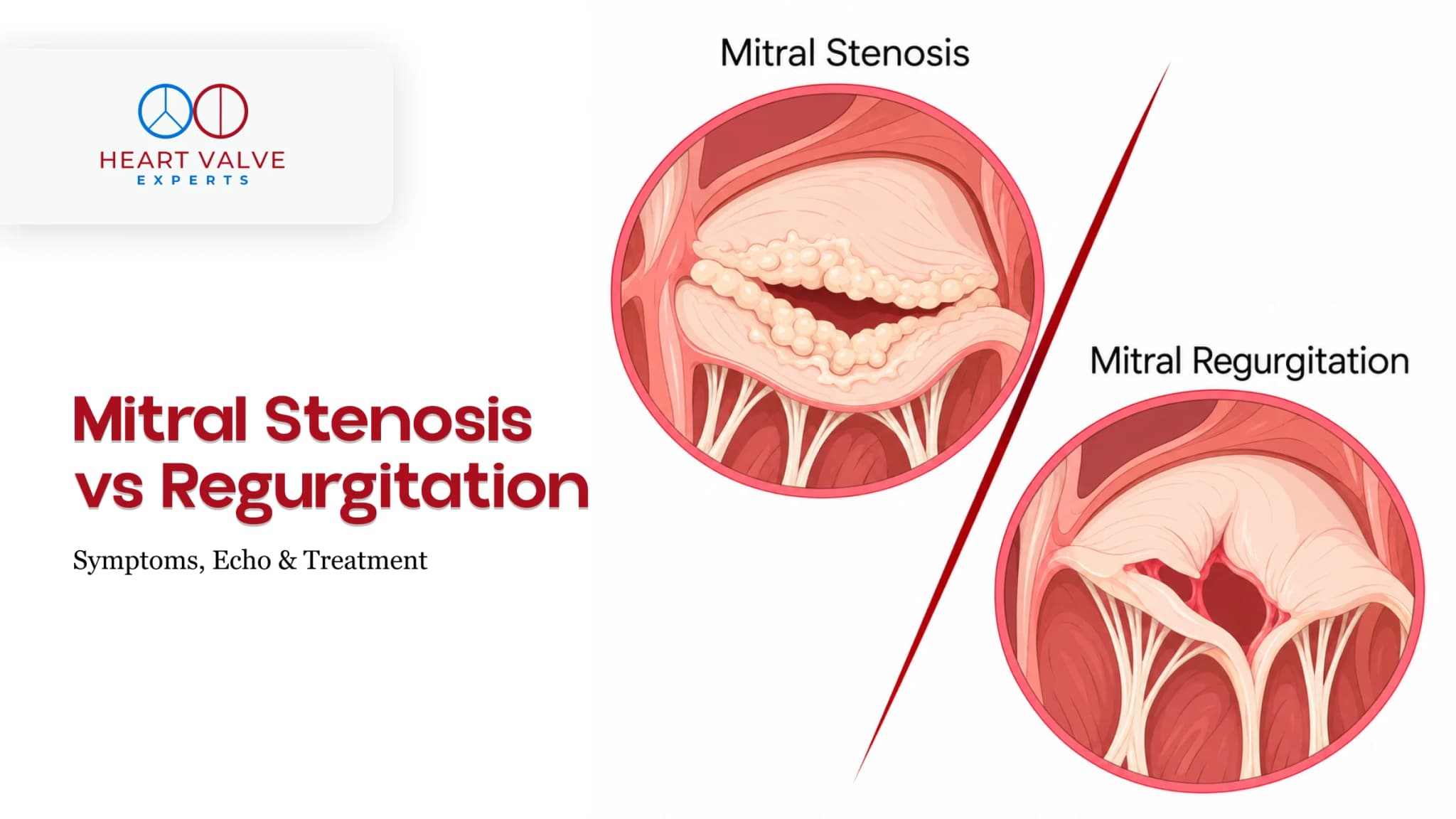
Mitral Stenosis vs Mitral Regurgitation: Differences in Symptoms, Echo Findings and Treatment
Aortic Stenosis Echo Criteria Explained: Understanding Your Echo Before a TAVI Assessment
How to Get a Medical Second Opinion for Heart Valve Treatment Before Travelling to India
Medical Visa for India: Requirements and Application Guide for Heart Patients

Heart Valve Surgery in Mumbai: How to Choose a Hospital and When to Seek a Second Opinion