You’ve been advised to undergo TAVI; the procedure has been explained to you. However, everything that takes place prior to it, including the tests, scans, and decisions made, frequently catches patients off guard.
This blog walks you through everything that happens before a TAVI procedure: what each test is, why it matters, and what it means for you.
TAVI stands for transcatheter aortic valve implantation. It is a minimally invasive way of replacing a damaged aortic valve without opening the chest.
A thin, flexible tube is guided through an artery most commonly in the groin to deliver a new valve directly to the heart. The new valve sits inside the existing damaged one and immediately takes over.
TAVI is primarily used to treat severe aortic stenosis, a condition where the aortic valve becomes dangerously narrow, restricting blood flow to the brain and body. If it is left untreated, it can cause chest pain, breathlessness, fainting, and eventually heart failure.
Think of the pre-operative assessment as a detailed map drawn before a journey.
The cardiologist needs to know exactly what they are working with before the procedure begins: the anatomy of your heart, the condition of your blood vessels, the state of your lungs, and how your body is likely to respond.
This assessment serves three purposes:
Skipping or rushing this process increases procedural risk significantly. A thorough pre-operative workup is not a formality; it is what makes a successful TAVI possible.
The following are the important steps before a pre-TAVI procedure:
The first step is a detailed consultation with your cardiologist.
This covers your full medical history, current symptoms, previous heart conditions, existing medications, allergies, and overall health. The cardiologist uses this to confirm the indication for TAVI and assess how urgently the procedure is needed.
A frailty assessment is also performed, which is particularly important for elderly patients. This helps the team understand how well your body is likely to tolerate the procedure and recover afterwards.
A standard panel of blood tests is carried out to check:
These results help the team anticipate any complications and adjust the procedural plan accordingly.
This is one of the most important tests before TAVI.
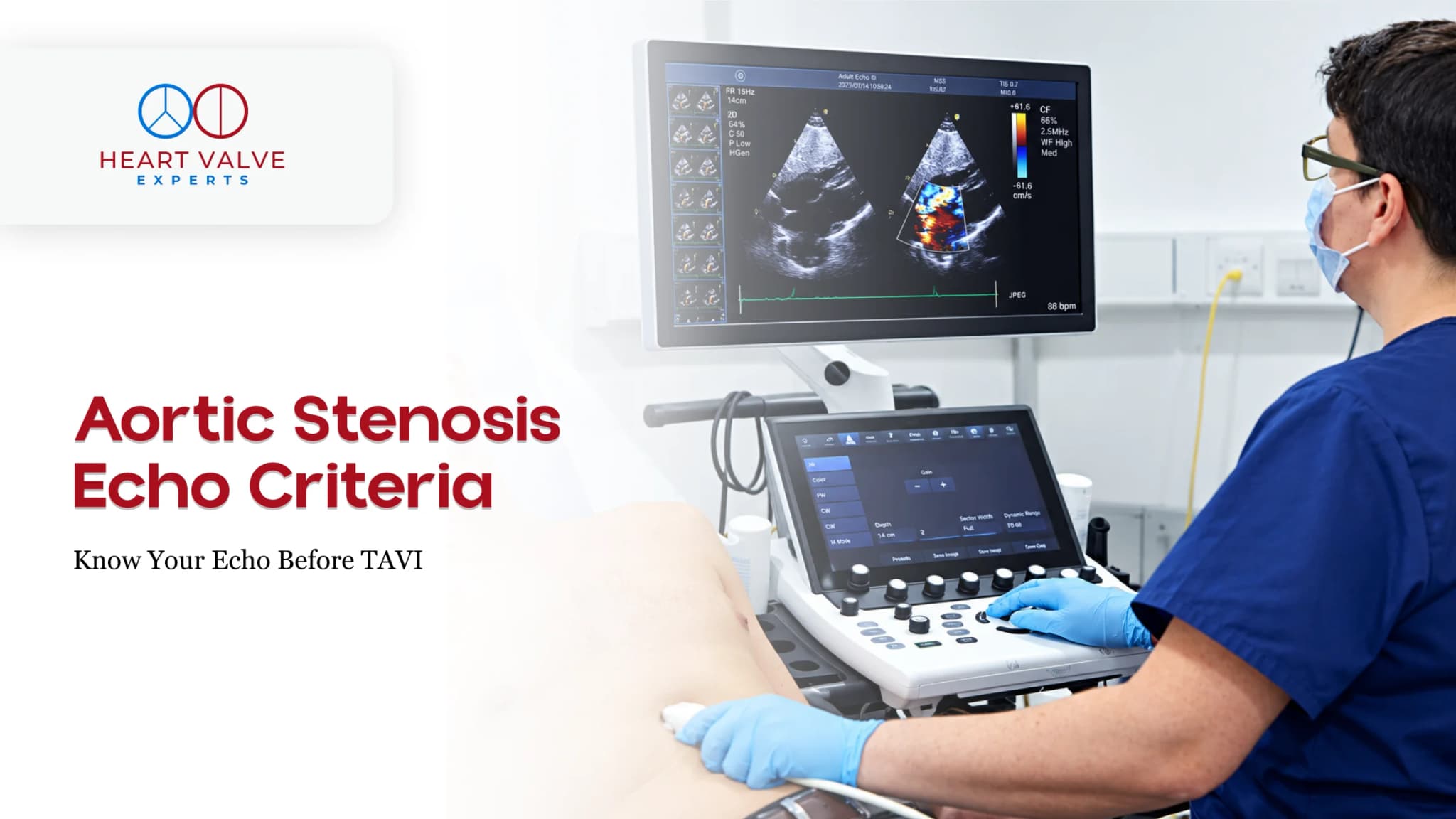
An echocardiogram is a painless ultrasound of the heart. It shows the cardiologist exactly how narrow the aortic valve has become, how well the heart muscle is pumping, and whether any other valves are affected.
The pumping strength of the heart, called the ejection fraction, is a key factor in assessing procedural risk and predicting outcomes.
The CT scan is the cornerstone of TAVI planning.
CT angiography of the aorta and the iliofemoral arteries is crucial for pre-procedural planning of TAVI because it provides details on various aspects required for decision-making, including the degree of aortic valve calcification. Aortic calcification is when the aortic valve in your heart becomes stiff because calcium builds on it over time.
Coronary Angiogram
Many patients being considered for TAVI also have some degree of coronary artery disease, with blockages in the arteries that supply blood to the heart muscle itself. These need to be identified and addressed before the valve procedure.
A coronary angiogram involves injecting a small amount of dye into the coronary arteries and taking X-ray images to see exactly where any blockages are. This is typically performed through the same groin artery used for TAVI, making it efficient to combine both assessments in one sitting.
These assess the health of the lungs.
Since TAVI patients are often elderly and may have underlying lung conditions, checking lung function beforehand helps the team plan anaesthesia safely and anticipate any breathing-related complications after the procedure.
In selected patients, a right-heart catheterisation is performed to check the pressure in the lungs, a condition called ‘pulmonary hypertension’.
Elevated lung pressures increase the risk associated with any cardiac procedure. Identifying this in advance allows the team to take additional precautions or optimise the patient’s condition before proceeding.
Beyond the tests, there are a few important practical steps in the pre-operative period.
A dental review is often recommended before TAVI because any active dental infection or untreated gum disease needs to be addressed beforehand, as bacteria from the mouth can potentially affect the new valve. If you have not had a dental check-up in the past six months, this should be arranged before your procedure date.
Your cardiologist will review all your current medications. Blood thinners and diabetes medications may need to be adjusted or paused before the procedure. Never stop or change any medication without specific guidance from your cardiac team.
Your cardiologist’s team will walk you through what to expect on the day of admission, including when to stop eating and drinking, what to bring, and what the day of the procedure will look like. If you have a family member or carer accompanying you, make sure they are also informed.
TAVI is a catheter-based procedure; it is not performed under direct visual access the way open heart surgery is.
Every measurement, every imaging angle, every assessment feeds directly into the decisions made during the procedure itself. The cardiologist relies entirely on the pre-operative data to size the valve correctly, choose the right approach, and navigate safely.
Measuring the heart’s structure is very important in TAVI, and since the procedure uses imaging instead of direct access, having high-quality assessments before the procedure is extremely important.
At Heart Valve Experts in Mumbai, every TAVI candidate undergoes a comprehensive pre-operative workup coordinated by a multidisciplinary team, including interventional cardiologists, cardiac surgeons, imaging specialists, and anaesthesiologists. No step is skipped. No detail is overlooked.
If you have been told you need TAVI and want to understand what your pre-operative assessment will involve, our team is here to walk you through it. Book a consultation with Heart Valve Experts, Mumbai.
Once all the tests are complete, the findings are reviewed by the full cardiac team.
A decision is made together with you on whether TAVI is the right approach, what access route will be used, which valve type and size is most appropriate, and what the timeline for the procedure looks like.
This process is called a ‘heart team decision’. It is not one cardiologist making a call alone. A coordinated, multidisciplinary review of everything gathered during your workup is designed to give you the safest and most personalised treatment plan possible.
To understand what happens on the day of the procedure and during recovery, read:Post-Procedure Care in TAVI: Recovery and Follow-Up Guide.
Conclusion
The pre-operative workup for TAVI is not just paperwork and routine tests.
It is the foundation on which the entire procedure is built.
Every scan, every blood test, every clinical review feeds directly into the decisions made in the procedure room. The more thorough the assessment, the safer and more precise the outcome.
If you or a loved one is preparing for TAVI in Mumbai and would like a clear, step-by-step guide through what to expect, our team at Heart Valve Experts is here to help at every stage.
Book your pre-operative consultation today.
The standard pre-operative workup usually includes a clinical assessment, blood tests, an echocardiogram, a CT scan, a coronary angiogram, a chest X-ray, and pulmonary function tests.
The workup is usually completed over one to two outpatient visits, though this varies depending depending on the tests required and how quickly results are available. Your cardiologist’s team will coordinate the appointments to minimise delays.
The CT scan provides a precise three-dimensional map of your heart, aorta, and blood vessels. It helps the cardiologist choose the right valve size, plan the safest access route, and assess the degree of valve calcification all critical for a successful outcome.
Most of the tests, including the echocardiogram, CT scan, blood tests, and chest X-ray, are painless or minimally uncomfortable. The coronary angiogram involves a small puncture at the groin or wrist and is performed under local anaesthesia. Patients generally tolerate it well.
Active dental infections can potentially affect the new heart valve after implantation. A dental review ensures any infection or gum disease is treated before the procedure, reducing this risk.

About The Author
With over 15 years of expertise, Dr. Phatarpekar is recognised as a renowned interventional cardiologist in Mumbai, specialising in complex coronary interventions, structural heart procedures, and pioneering work in Transcatheter Aortic Valve Implantation (TAVI).
● Blog