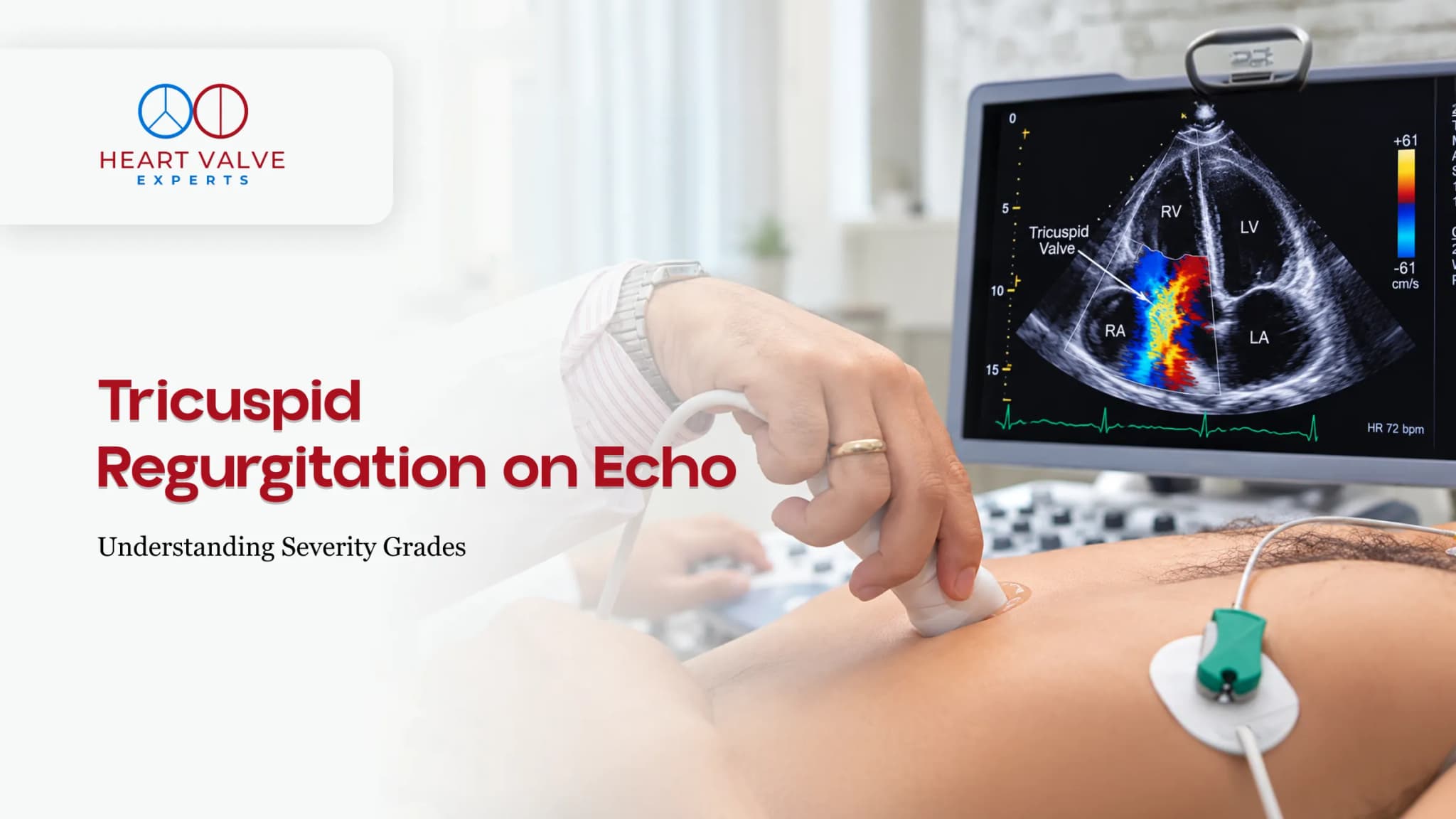
What Is the Function of the Tricuspid Valve? A Complete Guide
Table of Contents
- The story starts here.
- What Is the Function of the Tricuspid Valve?
- The Function of Tricuspid Valve in the Heart, Why Precision Matters
- Why the Right Side of the Heart Deserves More Attention
- What Happens When the Tricuspid Valve Malfunctions?
- How Is Tricuspid Valve Function Evaluated?
- Can Tricuspid Valve Problems Be Treated?
- What Happens If It’s Left Unchecked?
- Why This Matters to You
- The Advantage of Early, Specialized Evaluation
- Take the Next Step Toward Expert Valve Care
- FAQs

Medically Reviewed By
Dr. Ankur U. Phatarpekar
Get A Call Back
When people talk about heart health, the spotlight almost always lands on arteries, cholesterol numbers, or the powerful “left side” of the heart.
But quietly, steadily, doing its job on the right side is a structure most people have never even heard of.
The Tricuspid valve is:
Small.
Precise.
Relentlessly consistent.
Most people reading about the tricuspid valve are not doing so randomly.
You may have:
- Been told you have a murmur
- Seen “tricuspid regurgitation” mentioned on an echo report
- Experienced swelling or unexplained fatigue
- Been referred to a cardiologist for further evaluation
And naturally, you’re trying to understand what this valve actually does and whether you should be concerned.
That’s a reasonable place to start.
So what is the function of the tricuspid valve and why does it matter more than you might think?
Let’s walk through it in a way that actually makes sense.
The story starts here.
Your heart has four valves. Each one opens and closes in perfect sequence, not randomly, not loosely, but with mechanical discipline that rivals the most engineered system you can imagine.
The tricuspid valve sits between:
- The right atrium, the chamber that receives oxygen-poor blood from your body
- The right ventricle, the chamber that sends that blood to your lungs
Think of it as a security gate in a high-pressure transit system. It does not just sit there. It regulates traffic. Every second. Every beat. All day.
And unlike a door you can leave slightly ajar, this one cannot afford to pause.
What Is the Function of the Tricuspid Valve?
At its core, the tricuspid valve function is simple.
It ensures one-way blood flow.
But that simple task keeps your entire right-sided circulation stable.
Here is what happens during each heartbeat:
- Blood returns from your body into the right atrium.
- The tricuspid valve opens.
- Blood flows into the right ventricle.
- The right ventricle contracts.
- The valve closes tightly.
- Blood moves forward to the lungs.
Open.
Close.
Repeat.
About 100,000 times a day.
If you have ever dealt with a faulty plumbing valve at home, you know what happens when flow reverses unexpectedly. Pressure builds. Systems strain. Leaks appear where they should not.
Your heart cannot afford that kind of inefficiency.
The Function of Tricuspid Valve in the Heart, Why Precision Matters
Now imagine this valve mistiming its movement by even a fraction.
When the right ventricle contracts, pressure rises sharply. If the valve does not seal perfectly, blood moves backward into the atrium instead of forward to the lungs.
That backward flow is called Tricuspid regurgitation.
On the other hand, if the valve becomes stiff and does not open properly, blood struggles to move forward. This condition is known as Tricuspid stenosis.
In both cases, the circulation you depend on every moment becomes inefficient.
And here is what makes it tricky. Early on, you may feel nothing at all.
Tricuspid valve disorders often progress quietly.
Because symptoms are subtle, they are frequently mistaken for:
- Normal aging
- Lifestyle fatigue
- Minor fluid retention
- Weight fluctuations
Meanwhile, the right side of the heart continues adapting to increased pressure.
By the time swelling or breathlessness becomes persistent, structural changes may already be underway.
The longer dysfunction persists, the harder the heart must work to compensate.
Why the Right Side of the Heart Deserves More Attention
The right side handles blood returning from your entire body.
Legs. Abdomen. Liver. Veins under constant gravitational pull.
If the tricuspid valve weakens, pressure backs up into those veins.
And then you start noticing:
- Swelling in your legs or abdomen
- Unusual fatigue
- A feeling of heaviness
- Shortness of breath
- Sometimes, an enlarged liver
These symptoms often creep in quietly. They do not announce themselves dramatically. They build.
I have seen patients dismiss early ankle swelling as just standing too long. Months later, the underlying valve issue is far more advanced than it needed to be.
Your body whispers before it shouts.
What Happens When the Tricuspid Valve Malfunctions?
When tricuspid valve function declines:
- The right atrium enlarges
- Venous pressure rises
- Fluid begins accumulating in tissues
- The heart works harder to compensate
Over time, untreated dysfunction can strain the entire cardiovascular system.
Because right-sided symptoms are often subtle compared to left-sided heart disease, diagnosis is sometimes delayed.
That is why awareness matters.
How Is Tricuspid Valve Function Evaluated?
Modern cardiology does not guess. It measures.
Doctors assess valve performance using:
- Echocardiography
- Doppler imaging
- Clinical examination
These tests evaluate:
- How well the valve opens
- How tightly it closes
- The degree of leakage
- Pressure changes across chambers
An echocardiogram gives a moving image of the valve in action. You can watch it open and shut in real time.
When you see it, you understand just how precise this system truly is.
Can Tricuspid Valve Problems Be Treated?
Yes, and timing changes everything.
Treatment depends on severity and overall heart function. Options may include:
- Careful monitoring in mild cases
- Medications to manage symptoms
- Surgical repair
- Valvereplacement
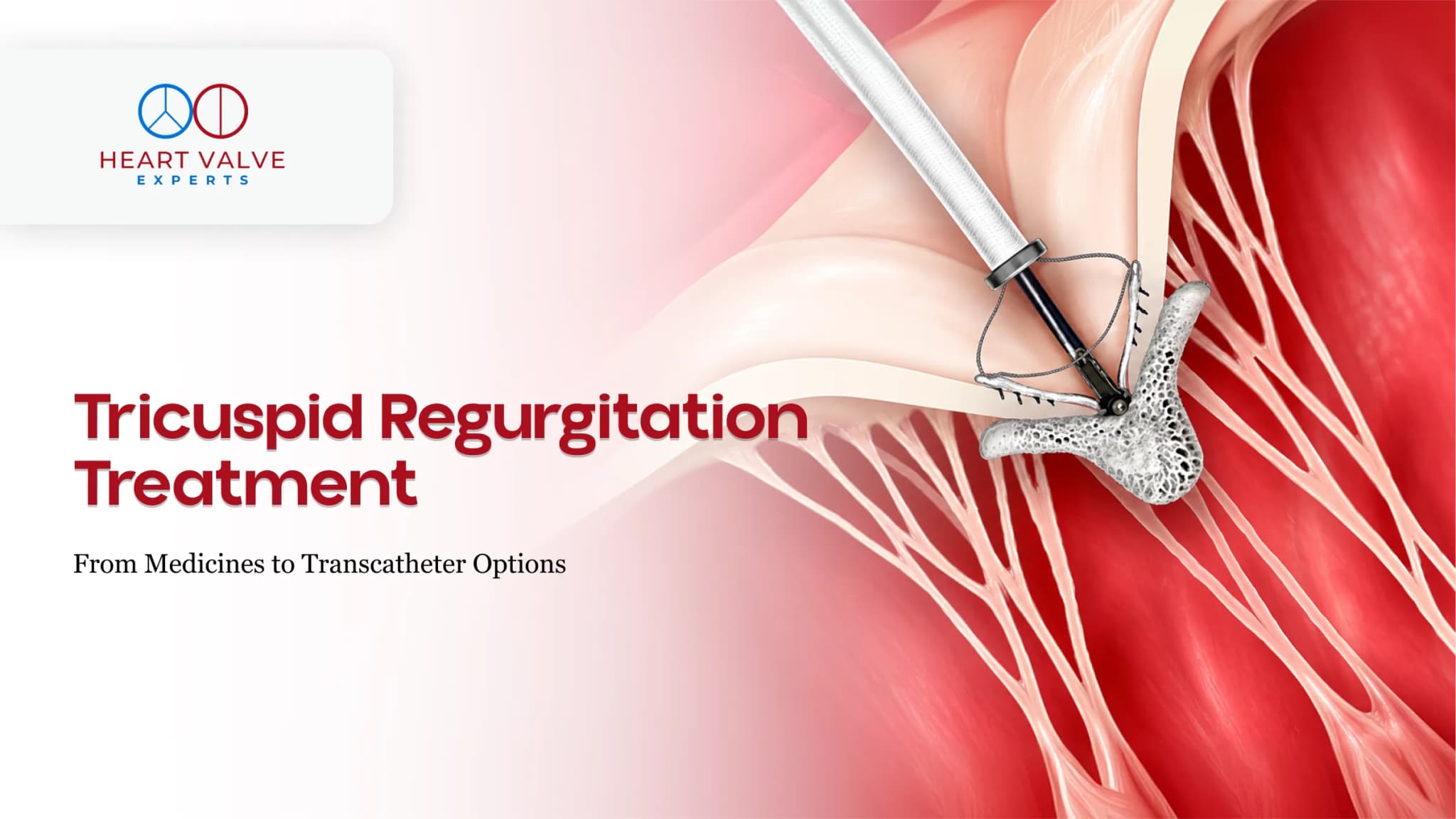
- Minimally invasive transcatheter procedures in selected patients
The earlier a problem is identified, the more choices you typically have.
Wait too long, and those choices narrow.
What Happens If It’s Left Unchecked?
Advanced tricuspid valve dysfunction can lead to:
- Chronic fluid accumulation
- Progressive right heart enlargement
- Liver congestion
- Reduced exercise tolerance
- Increased surgical complexity later
Right-sided heart failure develops gradually, but once significant structural strain sets in, recovery becomes more demanding.
The issue is rarely sudden.
It is cumulative.
And cumulative conditions reward early intervention.
Why This Matters to You
You may never feel your tricuspid valve working.
You will not hear it.
You will not sense it.
You will not consciously think about it.
And that is exactly the point.
When it functions properly, it is invisible.
But when it falters, your body feels the consequences in ways that often seem unrelated at first, swelling, fatigue, breathlessness.
Understanding the function of the tricuspid valve is not just anatomy trivia.
It is awareness.
It is early detection.
It is protection.
The Advantage of Early, Specialized Evaluation
When tricuspid valve issues are identified early:
- Monitoring can prevent progression
- Interventions can be timed strategically
- Repair may be possible instead of replacement
- Overall cardiac function is preserved
Modern valve care has evolved significantly. Advanced imaging, surgical repair techniques, and minimally invasive transcatheter approaches now allow treatment with greater precision than ever before.
Clarity transforms uncertainty into a plan.
And a plan protects long-term heart performance.
Final Thoughts
- The Tricuspid valve sits between the right atrium and right ventricle.
- Its primary role is maintaining one-way blood flow.
- It opens to allow blood into the ventricle and closes to prevent backflow.
- Dysfunction can cause fluid retention and systemic congestion.
- Early evaluation significantly improves outcomes.
Your heart is not just a pump.
It is a synchronized system of gates, chambers, pressure shifts, and microscopic timing.
And the tricuspid valve is one of the quiet guardians keeping that rhythm intact, beat after beat after beat.
Take the Next Step Toward Expert Valve Care
If you’ve been told you have tricuspid regurgitation, valve leakage, or unexplained right-sided heart changes, clarity is essential.
At Heart Valve Experts, comprehensive valve evaluation goes beyond basic diagnosis. Our team specializes in advanced imaging, individualized risk assessment, and both surgical and minimally invasive valve solutions.
Whether your condition requires careful monitoring or timely intervention, early expert guidance makes a measurable difference.
Schedule a comprehensive valve consultation today and move forward with confidence, precision, and a clear treatment pathway.
FAQs
The Tricuspid valve controls one way blood flow from the right atrium to the right ventricle. It opens to let blood move forward and closes to prevent backflow.
Tricuspid regurgitation happens when the valve does not close tightly, causing blood to leak backward into the right atrium.
Tricuspid stenosis occurs when the valve becomes stiff and does not open fully, restricting blood flow.
Common symptoms include leg swelling, fatigue, abdominal fullness, and shortness of breath. Mild cases may have no symptoms.
Mild cases are often harmless. Severe disease can lead to Right sided heart failure if untreated.
It is usually diagnosed with Echocardiography, which shows how well the valve opens and closes.
Yes. Mild cases need monitoring. Severe cases may require medication, valve repair, or replacement.

About The Author
Dr. Ankur U. Phatarpekar M.D., D.M., FSCAI
With over 15 years of expertise, Dr. Phatarpekar is recognised as a renowned interventional cardiologist in Mumbai, specialising in complex coronary interventions, structural heart procedures, and pioneering work in Transcatheter Aortic Valve Implantation (TAVI).
● Blog
Related Heart Valve Experts (HVE) Blog
ASO Titre Test: Normal Range and What a High ASO Result Means

Rheumatic Fever – Symptoms, Jones Criteria and How It Damages Heart Valves
Rheumatic Heart Disease – Causes, Symptoms, Treatment
Tricuspid Regurgitation Treatment
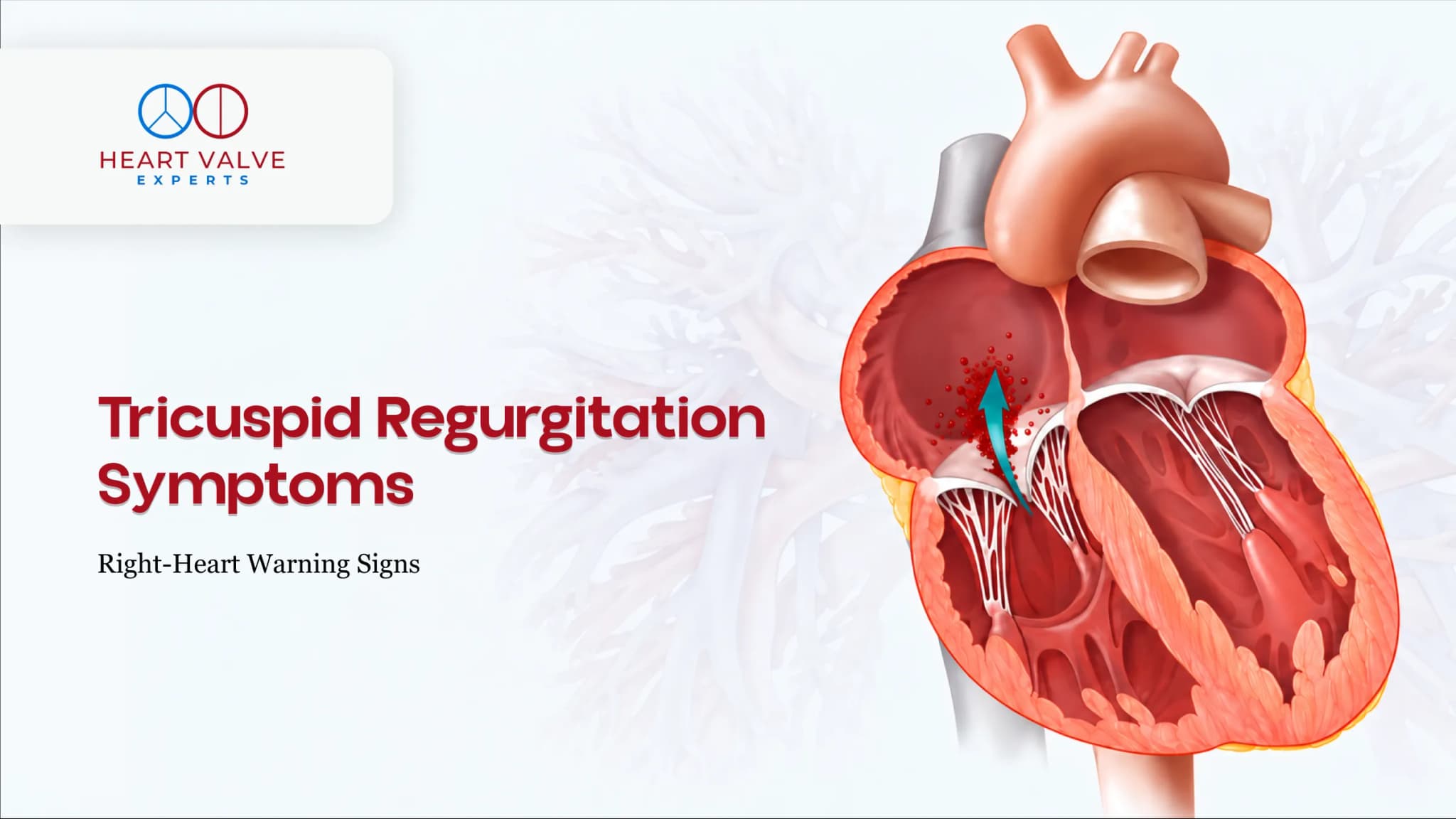
Tricuspid Regurgitation Symptoms and The Right-Heart Warning Signs