ASO Titre Test: Normal Range and What a High ASO Result Means
Table of Contents
- What Is an ASO Titre Test?
- What Is the Normal Range for an ASO Titre Test?
- What Does a High ASO Titre Mean?
- When Do Doctors Recommend an ASO Test?
- How Is the ASO Titre Test Done?
- What Happens If Your ASO Titre Is High?
- Can a High ASO Titre Affect Your Heart Valves?
- Rheumatic Fever and Heart Valve Care for International Patients
- When Should You See a Heart Valve Expert?
- Frequently Asked Questions
- References

Medically Reviewed By
Dr. Ankur U. Phatarpekar
Get A Call Back
Key Takeaways
- The ASO titre test measures antibodies produced in response to certain Streptococcus bacteria.
- A high ASO titre can indicate a recent or past streptococcal infection. It does not confirm rheumatic fever on its own.
- The normal ASO titre is often below 200 IU/mL in adults and below 300 IU/mL in children but reference ranges vary by age, population and laboratory.
- Indian studies have reported different upper limits for adults and children, so your result should be compared with the reference range provided by the testing laboratory.
- Doctors interpret the result alongside your symptoms, medical history and other test findings.
- If rheumatic fever has affected your heart valves, an echocardiogram can help assess the damage.
Have you recently had a sore throat or a throat infection that has now cleared up, but your doctor still suspects a related health problem? In such cases, your doctor may recommend an ASO titre test.
An ASO titre test is a blood test that looks for evidence of a recent streptococcal infection. Doctors may recommend it when assessing symptoms that could be linked to rheumatic fever, particularly if a sore throat or other infection occurred weeks earlier.
A high result does not directly diagnose a rheumatic fever. Your doctor will consider the ASO level alongside your symptoms and other clinical findings.
What Is an ASO Titre Test?
ASO stands for antistreptolysin O. When certain Streptococcus bacteria infect your body, they release a substance called streptolysin O. Your immune system responds by producing antibodies against it. The ASO titre test measures these antibodies in your blood.
Why does ASO Titre Test matter if your throat infection is already gone?
Because the effects of a streptococcal infection can sometimes appear after the initial infection has settled. In some people, the immune response can trigger acute rheumatic fever which may cause joint pain and inflammation and can also affect the heart.
Your doctor may therefore use the ASO test to look for evidence of a previous streptococcal infection when investigating symptoms that could point to rheumatic fever.
| Does a high ASO titre mean you have rheumatic fever? No, not by itself. Your doctor will consider the result alongside your symptoms, medical history and other test findings to understand what is happening and whether further evaluation is needed. |
What Is the Normal Range for an ASO Titre Test?
An ASO titre below 200 IU/mL is a commonly used reference limit in many laboratories. However, the normal range can differ by age, testing method and population. Some laboratories use higher age-specific reference limits, so your report’s own range is the one to check first.
| ASO titre | General interpretation |
| Below 200 IU/mL | Within the reference range used by many laboratories |
| 200–400 IU/mL | May be considered borderline or high-normal in some laboratories; clinical context matters. |
| Above 400 IU/mL | May support a recent streptococcal infection, depending on the laboratory and clinical findings |
These are general interpretive examples. Some laboratories use different thresholds which can also differ based on different countries like Bangladesh, Nigeria and many more. A raised ASO titre alone cannot confirm rheumatic fever.
What Do Research Studies Say About Normal ASO Levels?
Studies of healthy people have concluded different upper limits of normal across age groups and locations. The findings below help explain why one cutoff may not suit every patient.
| Study | Population studied | Reported upper limit of normal |
| Karmarkar et al. (2004) | Healthy adults and children in Mumbai | 195 IU for adults and 305 IU for children |
| Sethi et al. (2003) | 200 healthy children aged 5–15 years in Chandigarh | 239 IU |
| Saha et al. (2022) | 400 healthy children aged 5–15 years in Bangladesh | 217.4 IU/mL |
| Okello et al. (2020) | Children aged 5–15 years in Uganda | 389 IU/mL at the 80th percentile |
| Kaplan et al. (1998) | Children aged 2–12 years in the United States | 240 IU for the overall study group |
What does this mean for your report?
Compare your result with the reference range printed by your laboratory. If your ASO titre is raised, your doctor will consider whether it fits your symptoms and whether further tests are needed.
What Does a High ASO Titre Mean?
A high ASO titre means your antibody level is above the laboratory’s reference range. It may indicate that you had a streptococcal infection recently, even if the infection has already cleared.
The result needs to be interpreted carefully. In a study of children with different clinical conditions, Kotby, Habeeb and Elarab (2012) found that ASO levels varied across healthy children and those with tonsillitis or rheumatic disease. The researchers cautioned against diagnosing acute rheumatic fever from a raised titre alone.
| ASO result | What it may indicate |
| Raised ASO titre | A previous or recent streptococcal infection. |
| Raised ASO with fever and joint symptoms | Further assessment for rheumatic fever may be needed. |
| Raised ASO without symptoms | Antibodies may remain elevated after an infection. |
| Normal ASO despite suspected complications | The doctor may consider when the test was taken and whether other tests are needed. |
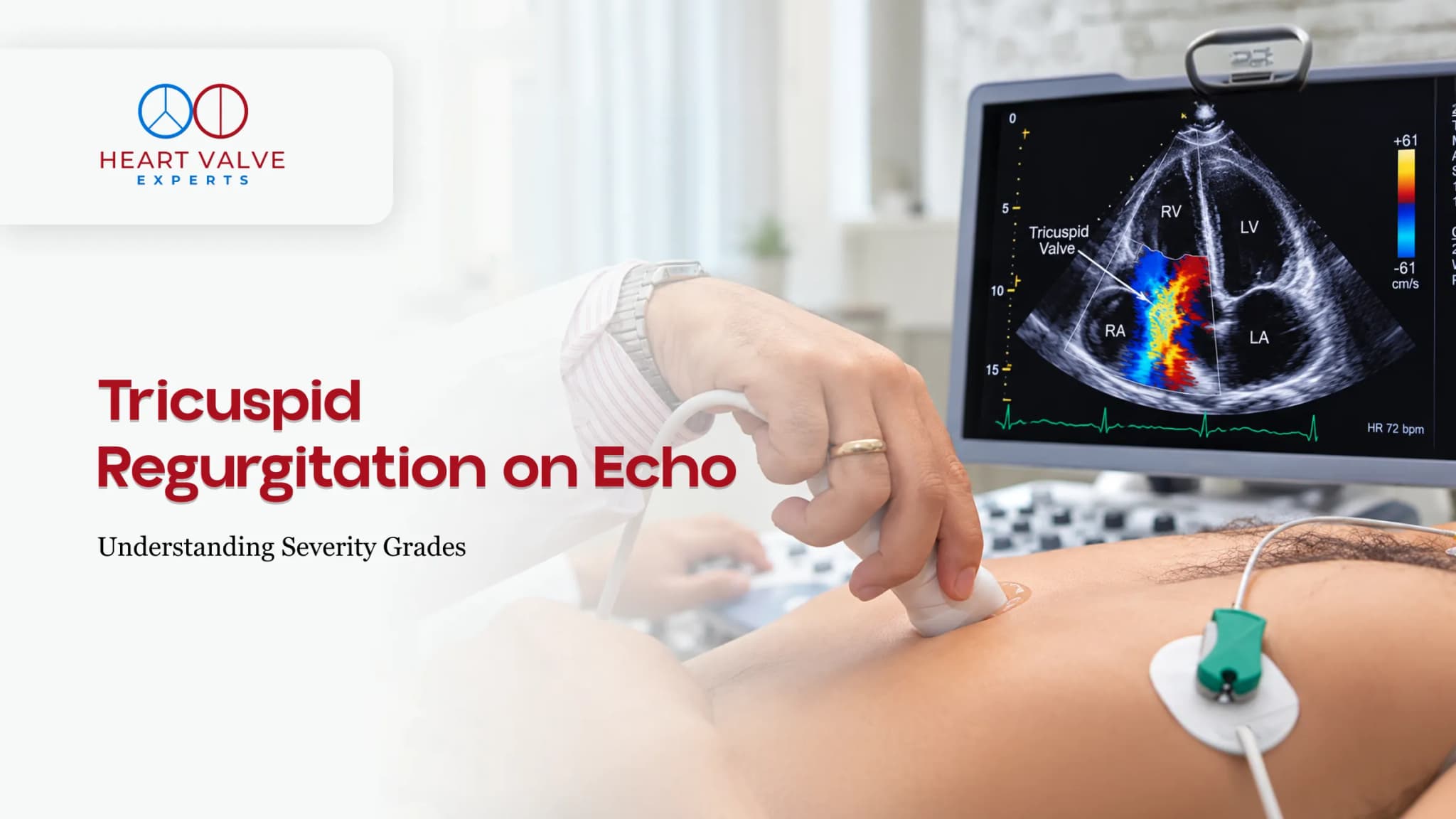
Your doctor will look at the symptoms you have and check whether you recently had a streptococcal infection. You may need blood tests to look for signs of inflammation. An ECG can check your heart’s electrical activity while an echocardiogram can show whether your heart valves are working properly.
How do doctors confirm rheumatic fever?
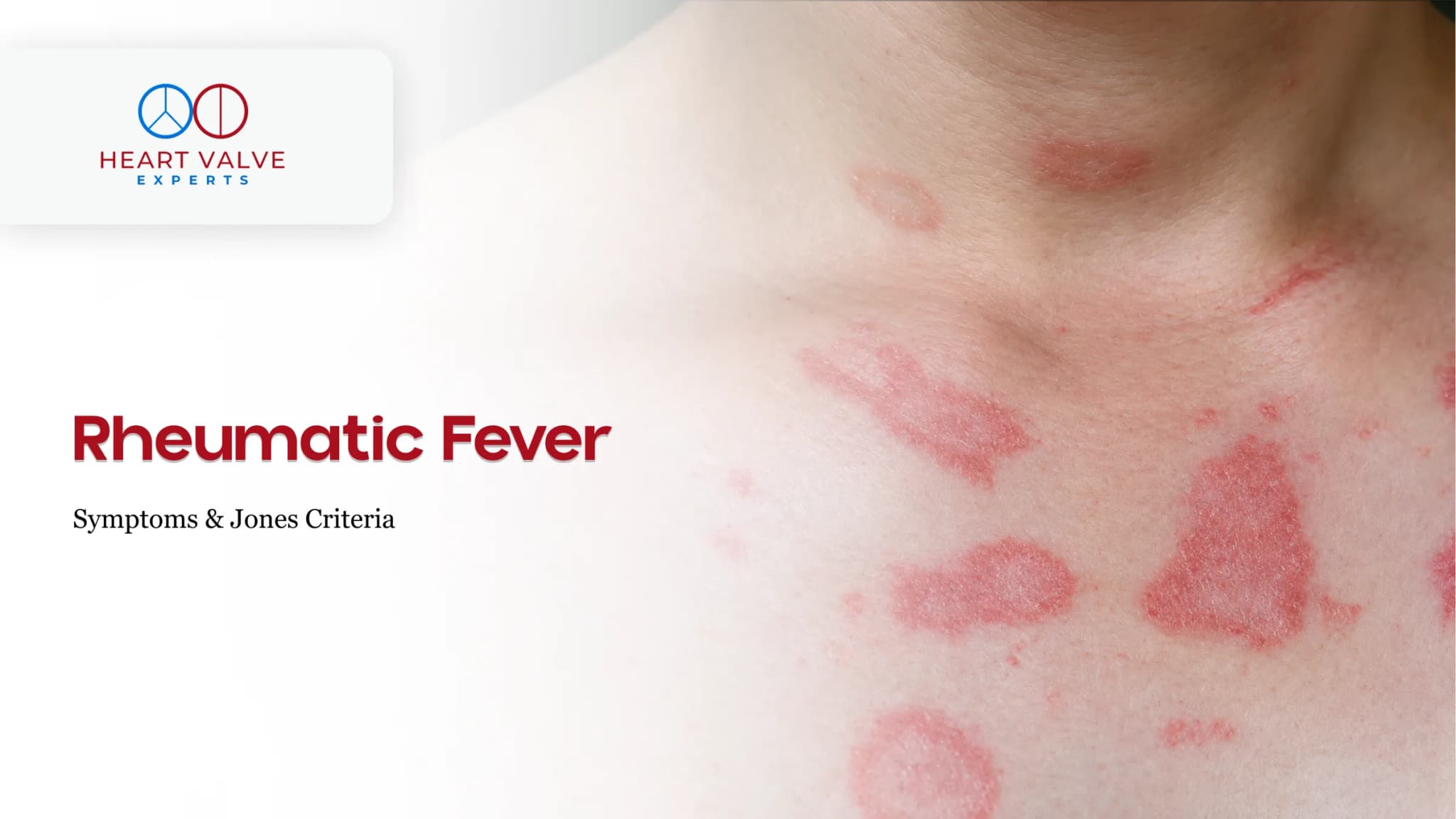
They use the Jones criteria to assess your symptoms and test results together. These criteria help your doctor identify signs such as fever and painful or swollen joints along with possible heart inflammation. No single symptom or blood test can confirm rheumatic fever on its own.
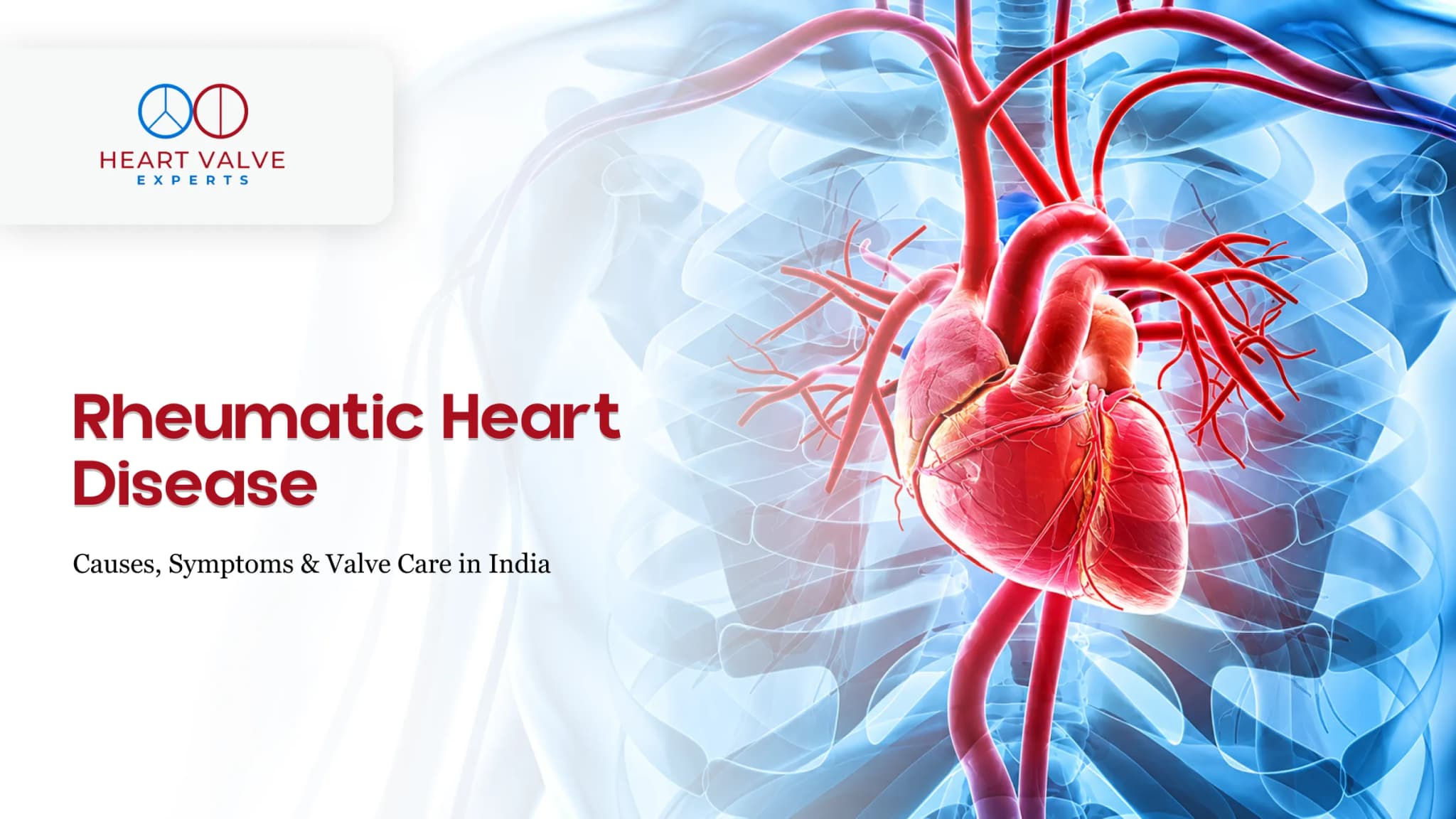
If rheumatic fever affects your heart, the inflammation can leave lasting damage to your valves. This may lead to rheumatic heart disease which can cause the valves to become too narrow or allow blood to leak backwards. Finding valve changes early helps your doctor decide what follow-up and care you may need.
When Do Doctors Recommend an ASO Test?
Your doctor may suggest an ASO titre test if your symptoms raise concern about a complication following a streptococcal infection.
It may be recommended when:
- You have fever and joint pain or swelling that could be linked to rheumatic fever.
- You developed symptoms after a suspected streptococcal throat infection.
- The original infection has settled, but your doctor needs evidence of a recent infection.
- Your doctor is investigating possible rheumatic heart disease alongside other findings.
An ASO test is only one part of the assessment. Your symptoms, examination and other test results help determine what the result means.
“If your ASO titre is high, the next step is to understand what the result means in your case. The test can show that your body has responded to a streptococcal infection, but it cannot tell us on its own whether you have rheumatic fever or heart valve damage. I would consider your symptoms, medical history and examination findings along with other test results before deciding whether further tests are needed. If there is concern about rheumatic heart disease, an echocardiogram may help us check whether the heart valves have been affected.”
Dr. Amit S. Gangwani, M.B.B.S., DNB (Medicine), DrNB (Cardiology) Director of Cardiology,
Heart Vascular Stroke Group of Hospitals, Mumbai
How Is the ASO Titre Test Done?
The test requires a blood sample, usually collected from a vein in your arm. The laboratory measures the level of anti-streptolysin O antibodies and reports the result with a reference range.
Special preparation is generally not required, but follow any instructions given by your laboratory.
Timing matters. ASO antibodies may take time to rise after an infection and can remain elevated after it has resolved. If your doctor needs more evidence of a previous streptococcal infection, they may consider another antibody test, such as anti-DNase B.
What Happens If Your ASO Titre Is High?
A raised ASO titre does not always require treatment. Your doctor will first look at why the test was ordered and whether you have symptoms that need further investigation.
Depending on your situation, your doctor may review your recent illness, examine your joints and heart, or request additional blood tests. If rheumatic fever is suspected, they will assess whether you meet the clinical criteria for the condition.
Antibiotics may be needed to treat a confirmed bacterial infection or prevent recurrent rheumatic fever in people with a history of the condition. However, a high ASO titre alone is not a reason to start antibiotics.
If your evaluation points to rheumatic heart disease and you are prescribed warfarin, your doctor may also monitor your INR (International Normalised Ratio) to check how long your blood takes to clot. The INR normal range and your treatment target are different, so the appropriate range depends on why you take warfarin and your individual treatment plan. An ASO titre and an INR measure different things and are interpreted separately.
Can a High ASO Titre Affect Your Heart Valves?
The ASO titre itself does not damage your heart valves. The concern is the infection that triggered the antibody response and whether it was followed by rheumatic fever.
Rheumatic fever can cause inflammation of the heart. In some people, this leads to lasting damage to the valves, known as rheumatic heart disease. The mitral valve is commonly affected, although other valves can also be involved.
Valve damage may cause narrowing or leakage. Some people have few symptoms at first, so a doctor may recommend an echocardiogram if there is concern about heart involvement.
| Expert Insight “A raised ASO titre needs to be considered with the patient’s symptoms and clinical findings. If there are chances of the patient suffering from rheumatic fever, the assessment should conclude whether the diagnostic criteria are met and whether the heart valves need to be evaluated.” Dr. Kunal Ajay Patankar, M.B.B.S., M.D. (Medicine), DrNB (Cardiology) Consultant Cardiologist, Mumbai |
Rheumatic Fever and Heart Valve Care for International Patients
If your ASO titre is raised and you have been diagnosed with rheumatic fever or possible heart valve disease, a clinical assessment can help clarify whether further cardiac investigations are needed.
Heart Valve Experts offers information and care coordination for patients travelling to India for heart-related assessment and treatment.
If you are travelling from Bangladesh, Nigeria and Kenya and have previous ASO reports or an echocardiogram, keep them available for your consultation. These records can help the doctor understand what has already been investigated.
When Should You See a Heart Valve Expert?
If you have had rheumatic fever or have been told that your heart valve may be affected, speak with a doctor about whether you need an echocardiogram or ongoing follow-up.
Symptoms such as breathlessness, unusual tiredness, palpitations or swelling in the legs deserve medical assessment, especially if you have a history of rheumatic fever.
Seek urgent medical care if you develop severe or sudden breathlessness, persistent chest pain or fainting.
If you have had rheumatic fever or your doctor suspects that it may have affected your heart, a heart valve evaluation can help identify any damage. An echocardiogram allows the doctor to check how your valves are working and whether you need treatment or regular monitoring. Consult Heart Valve Expert to discuss the the next steps based on your test results and symptoms.
Concerned about your ASO result or heart valve health?
Frequently Asked Questions
What is the normal range for an ASO titre test?
The range depends on the laboratory, age and population. Studies in India have reported upper limits of 195 IU for adults and 305 IU for children in Mumbai, and 239 IU among children in Chandigarh (Karmarkar et al., 2004; Sethi et al., 2003). Your own report’s reference range should guide interpretation.
What does an ASO titre of 200 mean?
An ASO titre of 200 may fall within or above the reference range, depending on the laboratory and the person being tested. The number alone cannot confirm an active infection or rheumatic fever.
Can a high ASO titre confirm rheumatic fever?
No. It can support evidence of a previous streptococcal infection, but doctors use symptoms, examination findings and established clinical criteria to assess rheumatic fever.
How long can ASO titres remain high?
ASO antibodies can remain elevated for weeks or months after an infection. Your doctor will consider the timing of the test and your symptoms when interpreting the result.
Does a high ASO titre mean I need antibiotics?
Not necessarily. Treatment depends on whether you have an active infection or a condition that requires treatment or preventive antibiotics. Do not take antibiotics based only on an ASO result.
Can a high ASO titre cause heart valve damage?
The antibody titre itself does not damage heart valves. Rheumatic fever can cause inflammation that leads to lasting valve damage in some people.
Which test checks whether rheumatic fever has affected the heart valves?
An echocardiogram uses ultrasound to examine the heart valves and how they function. Your doctor may recommend it if there is concern about rheumatic fever affecting the heart.
References
Kaplan, E.L., Rothermel, C.D. and Johnson, D.R. (1998) ‘Antistreptolysin O and anti-deoxyribonuclease B titers: normal values for children ages 2 to 12 in the United States’, Pediatrics, 101(1 Pt 1), pp. 86–88.
Karmarkar, M.G., Venugopal, V., Joshi, L. and Kamboj, R. (2004) ‘Evaluation & revaluation of upper limits of normal values of anti-streptolysin O & anti-deoxyribonuclease B in Mumbai’, Indian Journal of Medical Research, 119 Suppl, pp. 26–28.
Kotby, A.A., Habeeb, N.M. and Elarab, S.E.E. (2012) ‘Antistreptolysin O titer in health and disease: levels and significance’, Pediatric Reports, 4(1), e8.
Okello, E. et al. (2020) ‘Cross-sectional study of population-specific streptococcal antibody titres in Uganda’, Archives of Disease in Childhood, 105(9), pp. 825–829.
Saha, S.K., Choudhury, K.N., Zareen, S., Mousum, S., Al Mamun, M.A. and Haque, M.A. (2022) ‘Study of streptococcal antibody (anti-streptolysin O) among healthy children in Bangladesh’, SAGE Open Medicine, 10.
Sethi, S., Kaushik, K., Mohandas, K., Sengupta, C., Singh, S. and Sharma, M. (2003) ‘Anti-streptolysin O titers in normal healthy children of 5–15 years’, Indian Pediatrics, 40(11), pp. 1068–1071.

About The Author
Dr. Ankur U. Phatarpekar M.D., D.M., FSCAI
With over 15 years of expertise, Dr. Phatarpekar is recognised as a renowned interventional cardiologist in Mumbai, specialising in complex coronary interventions, structural heart procedures, and pioneering work in Transcatheter Aortic Valve Implantation (TAVI).
● Blog
Related Heart Valve Experts (HVE) Blog
ASO Titre Test: Normal Range and What a High ASO Result Means
Rheumatic Fever – Symptoms, Jones Criteria and How It Damages Heart Valves
Rheumatic Heart Disease – Causes, Symptoms, Treatment
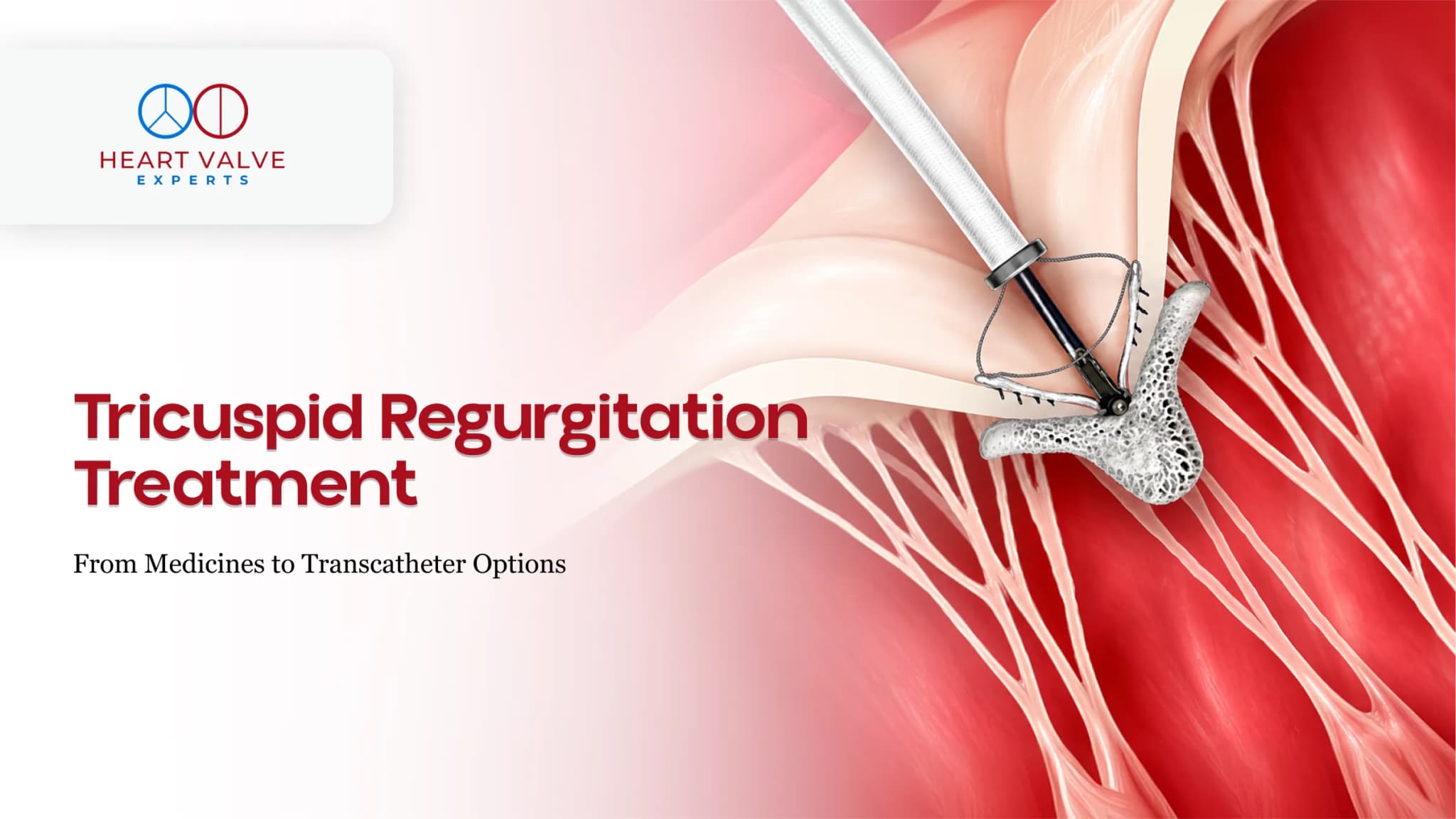
Tricuspid Regurgitation Treatment
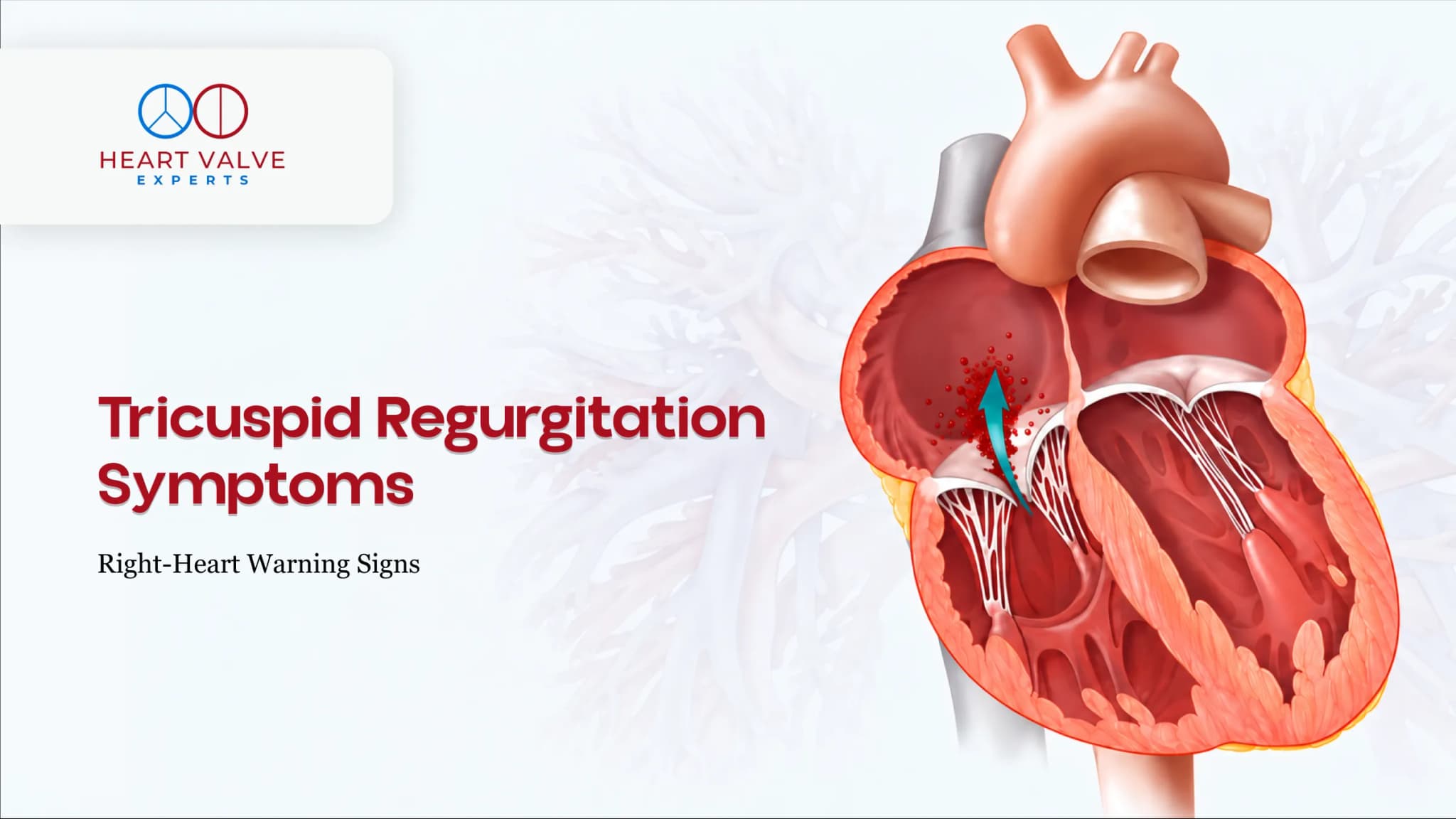
Tricuspid Regurgitation Symptoms and The Right-Heart Warning Signs