The human heart is truly a miracle. A muscle that never tires, and never stops beating from the moment we are born, till we draw our last breath. However, nothing is perfect. As such, our heart, in its job of pumping blood all over our body, is subject to the many strains of any mechanical system. As a result, though it involves many factors, heart disease is very common.
One condition we’ll be focusing on today is tricuspid regurgitation and how the Tricvalve may be used to manage it.
Our heart is a pump that consists of four chambers. One half of our heart (the right half; right atrium and right ventricle) pumps blood to our lungs, and the other half (the left half: left atrium and left ventricle) pumps the blood coming from the lungs throughout our body. The blood from our body re-enters the right half of our heart. In between the atria and the ventricles are valves that prevent the backflow of blood. The valves make sure that blood always flows from the atrium to the ventricle.
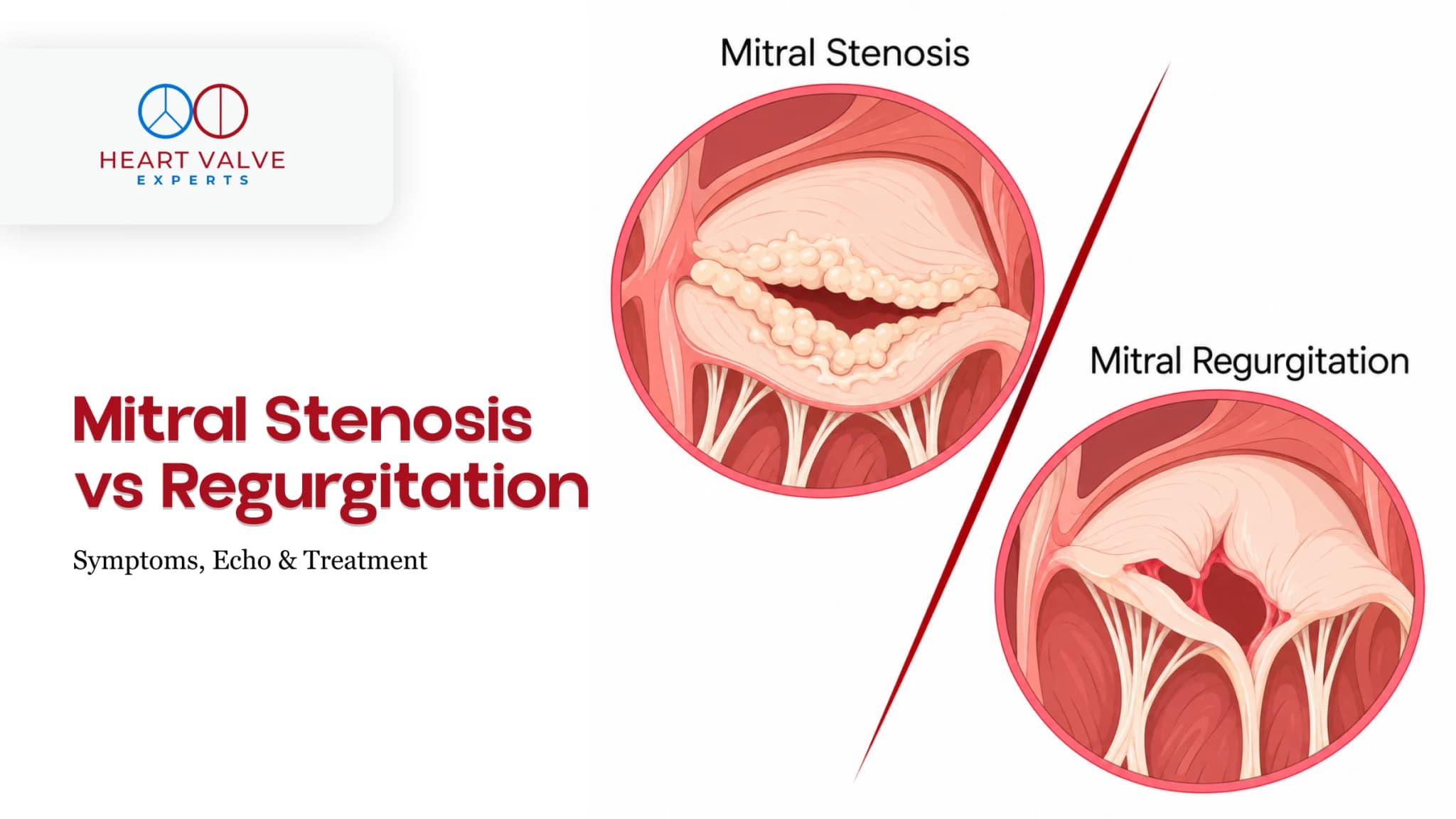
When these valves don’t function properly, blood flows back, from the ventricle to the atrium, during the pumping cycle, and this leads to very severe disease.
The tricuspid valve prevents the backflow of blood between the right ventricle and the right atrium. It maintains the unidirectional flow of blood from the right atrium to the right ventricle. When the valve doesn’t function properly it gives rise to Tricuspid regurgitation, which means every time the right ventricle contracts, depending on the severity, blood squirts backward into the right atrium.
This gives rise to symptoms of heart failure, such as weakness, fatigue, and abdominal or lower limb swelling.
Whilst there are several causes for tricuspid regurgitation, if the valve is damaged by organic causes such as rheumatic heart disease, infective endocarditis, carcinoid syndrome, Ebstein’s anomaly, and some other congenital abnormalities of the Atrioventricular valves, it may need to be surgically corrected.
Valves could be repaired or replaced. Though repair provides a good outcome, there are many associated technical difficulties and variable failure rates. If repair isn’t possible, the valve may be replaced with mechanical or biological valves. Mechanical valves last a long time, but when valves are replaced there is an increased risk of blood clots forming, and this is especially true for mechanical valves. As a result, patients who have mechanical valves will need to take lifelong anticoagulant therapies.
Compared to this, biological valve replacements do not require lifelong anticoagulation and there is evidence to suggest that it produces better blood flow than mechanical valves. Unfortunately, biological valves last less and may need to be replaced.2
The TricValve is one such biological valve, hence it consists of the advantages mentioned above. Rather than requiring open-heart surgery, the TricValve can be placed transcatheter, meaning that it can be placed by passing it with a catheter through a vein. The system consists of implanting two individual valves to the superior vena cava and the inferior vena cava, without modifying the tricuspid valve. It is different from valve systems that directly attach to the tricuspid valve.
Ultimately, a heart specialist should decide whether you can use the Tricvalve as there are many anatomical and physiological conditions that need to be met to use it. It’s important to know is that the use of the Tricvalve has been associated with reduced symptoms of tricuspid regurgitation and is associated with high success rates.
Bibliography
Additional Reading
TricValve is used to treat severe tricuspid regurgitation, a condition where the tricuspid valve leaks and blood flows backward in the heart. It helps reduce symptoms such as fatigue, swelling in the legs, and abdominal discomfort. The device improves blood flow without requiring open-heart surgery.
TricValve is mainly recommended for high-risk patients who cannot undergo open-heart surgery. These patients often have severe tricuspid regurgitation and other health conditions that make surgery risky. A heart specialist must evaluate whether the patient is suitable for the procedure.
The TricValve is implanted using a minimally invasive transcatheter procedure. A catheter is inserted through a vein to place the valves in the superior and inferior vena cava. This approach avoids the need for traditional open-heart surgery.
Yes, patients usually need to take lifelong anticoagulant medication after the TricValve procedure. These medications help prevent blood clots from forming around the implanted valves. Your doctor will guide you on the appropriate treatment plan.
TricValve has received CE certification, meaning it meets European safety and quality standards. Clinical studies have shown it can reduce symptoms of tricuspid regurgitation and improve patient outcomes. However, suitability must always be assessed by a qualified heart specialist.

About The Author
With over 15 years of expertise, Dr. Phatarpekar is recognised as a renowned interventional cardiologist in Mumbai, specialising in complex coronary interventions, structural heart procedures, and pioneering work in Transcatheter Aortic Valve Implantation (TAVI).
● Blog