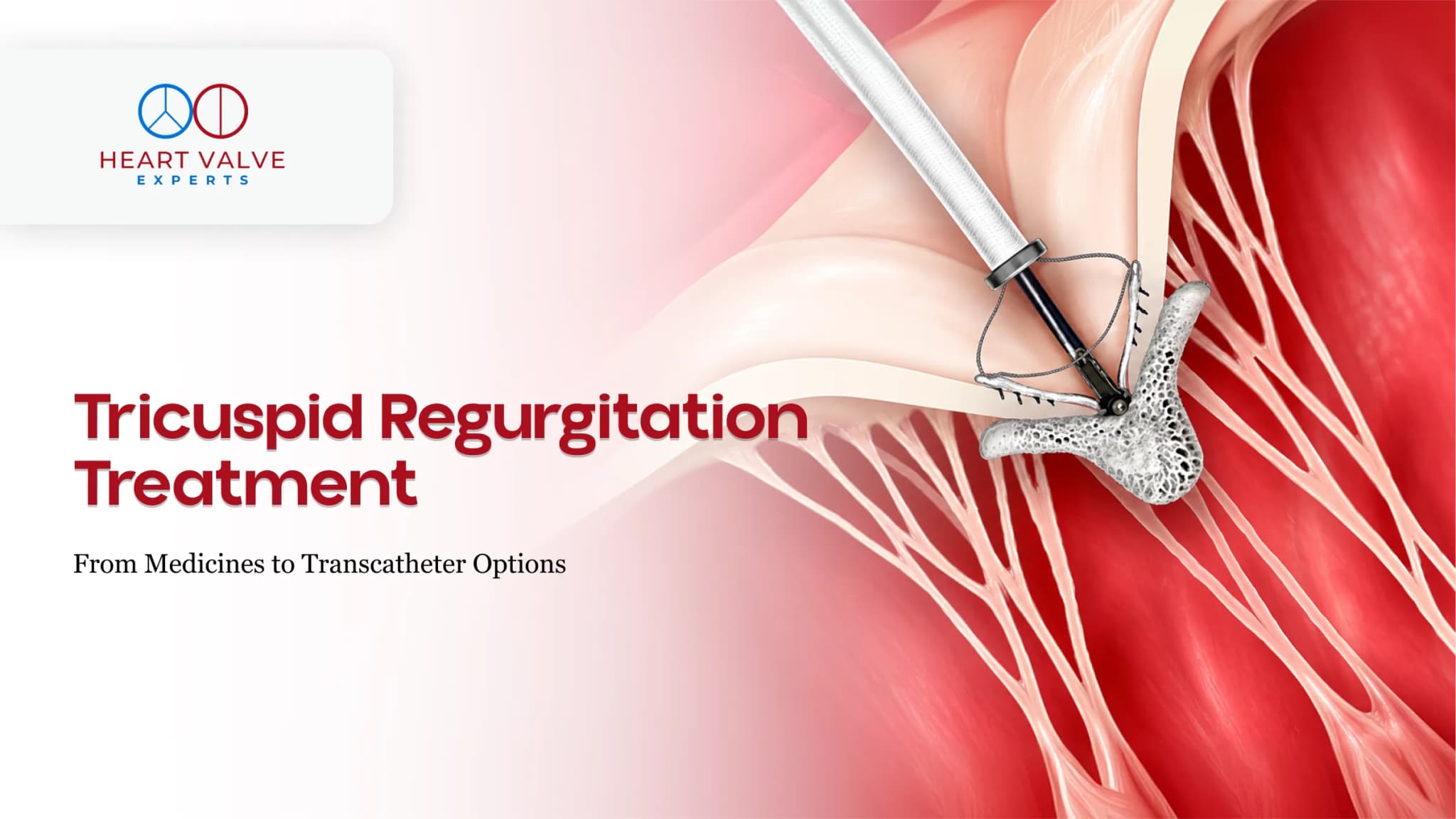
What Are the Symptoms of Congestive Heart Failure?
Table of Contents
- What Is Congestive Heart Failure?
- Early Symptoms of Congestive Heart Failure
- When slowing down isn’t just age…
- How Symptoms Change as Heart Failure Progresses
- The Four Stages of Congestive Heart Failure
- Symptoms of End-Stage Heart Failure
- Symptoms Related to Fluid Retention and Circulation
- When to Seek Immediate Medical Help
- Living With Congestive Heart Failure
- Importance of Regular Follow-Up
- FAQs

Medically Reviewed By
Dr. Ankur U. Phatarpekar
Get A Call Back
Ever felt breathlessness that lingers after simple activities?
Swelling that quietly builds in your feet by evening?
Tiredness that no amount of rest seems to fix, only to brush it aside as age, stress, or just a long week?
Many people say the same things:
- “Stairs feel harder than they used to.”
- “I’m just out of shape.”
- “Work has been stressful lately.”
It Often Starts Quietly
If you’ve ever wondered, “Is this serious, or am I just tired? ”. You’re not alone!
Congestive heart failure usually starts subtly. It often blends quietly into daily life, making its early symptoms easy to dismiss.
Understanding those early signals can make all the difference.
Nothing feels urgent. Nothing feels dramatic.
Until it is.
For many patients, congestive heart failure begins exactly like this: slowly, subtly, and without a clear moment that demands attention. By the time symptoms feel unmistakable, the heart has often been compensating for a long time.
Not sure if your symptoms are worth checking?
An early cardiac evaluation can clarify what’s normal for ageing and what isn’t, before symptoms progress.
What Is Congestive Heart Failure?
To understand the symptoms, it helps to understand what’s happening inside the body.
How the Heart Normally Works
The heart’s role is simple but vital: it pumps oxygen-rich blood forward so every organ and tissue gets what it needs to function. With each beat, blood moves smoothly through the lungs, heart chambers, and out to the body.
What Changes in Heart Failure?
In congestive heart failure, this process becomes less efficient.
The heart may:
- Pump with less force, or
- Become stiff and unable to fill up with blood properly
When this happens, blood flow slows down.
Pressure builds up inside blood vessels.
Fluid then flows into the surrounding tissues.
This fluid buildup, often in the lungs, legs, ankles, or abdomen, is what causes many heart failure symptoms.
Congestive heart failure is usually a long-term condition. It doesn’t happen overnight, and it isn’t managed with a single treatment. Instead, it evolves and requires ongoing care and monitoring.
Early Symptoms of Congestive Heart Failure
Early symptoms are often subtle and simple to overlook.
- Breathlessness during routine activities: Activities like climbing stairs, walking quickly, or carrying groceries may leave you more winded than before. You may notice that you are slowing down without realising why.
- Fatigue that doesn’t improve with rest: This isn’t regular tiredness. Even after sleeping well, you may feel drained and lack energy while performing daily tasks.
- Mild swelling by the end of the day: Fluid retention often shows up as swelling around the ankles or feet, especially in the evening. Shoes may feel tighter than usual.
- Reduced exercise tolerance: Things you once did comfortably may now require breaks. You may unconsciously start avoiding physical activity.
Many people adjust their routines instead of questioning the cause. These symptoms don’t mean failure, but they do mean evaluation.
Persistent breathlessness or swelling shouldn’t be normal.
A structured heart and valve assessment helps identify whether symptoms are driven by heart muscle weakness, valve disease, or both.
When slowing down isn’t just age…
A man in his early sixties came in after months of feeling “off”. He had stopped his evening walks. At work, he avoided stairs. By night, his ankles were swollen. By morning, the swelling had mostly disappeared.
He didn’t feel sick, just slower.
Testing revealed severe narrowing of his aortic valve. His heart had been working against this resistance for years. The muscle had adapted, but it was nearing its limit.
Treatment didn’t bring instant relief. Medications were adjusted. Follow-ups were scheduled. Breathlessness improved first. Swelling reduced gradually. Activity returned step by step.
This pattern is common. Symptoms often exist long before a diagnosis is made, and improvement takes time, not overnight fixes.
Many patients experience symptoms months before a diagnosis is made.
Identifying the cause early can slow progression and improve quality of life.
How Symptoms Change as Heart Failure Progresses
As congestive heart failure advances, symptoms become harder to ignore.
- Breathlessness may occur at rest or when lying flat.
- Night-Time Breathlessness.
- Cough, Wheeze, and Lung Congestion.
- Rapid Weight Gain and Fluid Retention.
- Abdominal Bloating and Appetite Changes.
If breathlessness worsens, occurs at rest, or disrupts sleep, specialist review is essential and not optional.
The Four Stages of Congestive Heart Failure
Doctors describe congestive heart failure in stages to explain how the condition progresses and not to predict outcomes.
Stage A: At Risk, No Symptoms
People who have risk factors such as high blood pressure, diabetes, or valve disease but have not yet developed symptoms fall into Stage A.
Stage B: Structural Changes, No Symptoms
Changes in the heart are visible on tests, but daily life remains unaffected.
Stage C: Symptoms Present
Breathlessness, fatigue, or swelling occurs now or has occurred in the past. Valve conditions can accelerate symptoms at this stage.
Stage D: Advanced Heart Failure
Symptoms persist despite treatment and significantly limit daily life.
With appropriate care, many people remain stable for long periods. Progression is not inevitable.
Symptoms of End-Stage Heart Failure
In advanced stages of congestive heart failure, the heart struggles to keep up with basic demands.
- Breathlessness Even at Rest
- Severe Fatigue and Weakness
- Persistent Swelling Despite Treatment
- Frequent Hospital Admissions
- Appetite Loss and Weight Changes
Care at this stage focuses on comfort, symptom relief, and aligning treatment with patient goals.
Symptoms Related to Fluid Retention and Circulation
Fluid buildup plays a central role in congestive heart failure.
- Leg and Ankle Swelling: Gravity causes fluid to collect in the legs.
- Abdominal Fluid Build-Up: This can cause discomfort, bloating, or early fullness.
- Changes in Urination Patterns: decreased urination during the day and increased urination during the night may occur.
Monitoring daily weight and swelling patterns helps detect changes early.
When to Seek Immediate Medical Help
Some symptoms require urgent attention:
- Sudden, severe breathlessness
- Chest pain or pressure
- Confusion, dizziness, or fainting
- Rapid or irregular heartbeat
These can signal sudden deterioration and should not be delayed. When your symptoms feel aligned, seeking a specialist’s opinion should be your top most priority.
Living With Congestive Heart Failure
Living with heart failure means recognising patterns and responding early.
- Monitoring symptoms at home
- Daily weight, breathing comfort, and swelling provide valuable clues.
- Lifestyle measures that support treatment
Appropriate activity, nutrition, fluid management, and stress reduction complement medical care.
Importance of Regular Follow-Up
Ongoing assessments allow treatment adjustments before symptoms escalate.
When Do Symptoms Need Specialist Evaluation?
Not all symptoms stem from the same cause. Some are driven by heart muscle weakness, others by valve disease, and often by a combination of both.
At Heart Valve Experts, patients are evaluated to identify what’s truly driving their symptoms. This clarity helps guide personalised treatment decisions that are focused on safety, effectiveness, and long-term quality of life, rather than procedures alone.
Concerned about heart failure symptoms?
A comprehensive evaluation can identify what’s driving them and outline safe, personalised next steps.
FAQs
Breathlessness during activity, persistent fatigue, and mild ankle swelling are common early signs.
They often move from exertional symptoms to limitations even at rest if the condition advances.
They range from being at risk without symptoms to having an advanced disease with persistent symptoms despite treatment.
Breathlessness at rest, severe fatigue, frequent hospitalisations, and appetite loss are common.
Any persistent, worsening, or unexplained symptoms should be assessed by a specialised cardiac team.
Heart Valve Experts (HVE) helps guide patients by identifying what’s actually causing their symptoms. Whether it’s valve disease, heart muscle weakness, or both, we provide care so decisions are clear, appropriate, and patient-specific.
AI detection for this content has been conducted using QuillBot, an industry-standard AI detection platform.

About The Author
Dr. Ankur U. Phatarpekar M.D., D.M. (Cardiology), FSCAI
Interventional Cardiologist. MMC Reg. No. 2006/03/1339.
● Blog
Related Heart Valve Experts (HVE) Blog
INR Normal Range – Normal Levels, Warfarin & Mechanical Valves
ASO Titre Test: Normal Range and What a High ASO Result Means

Rheumatic Fever – Symptoms, Jones Criteria and How It Damages Heart Valves
Rheumatic Heart Disease – Causes, Symptoms, Treatment
Tricuspid Regurgitation Treatment