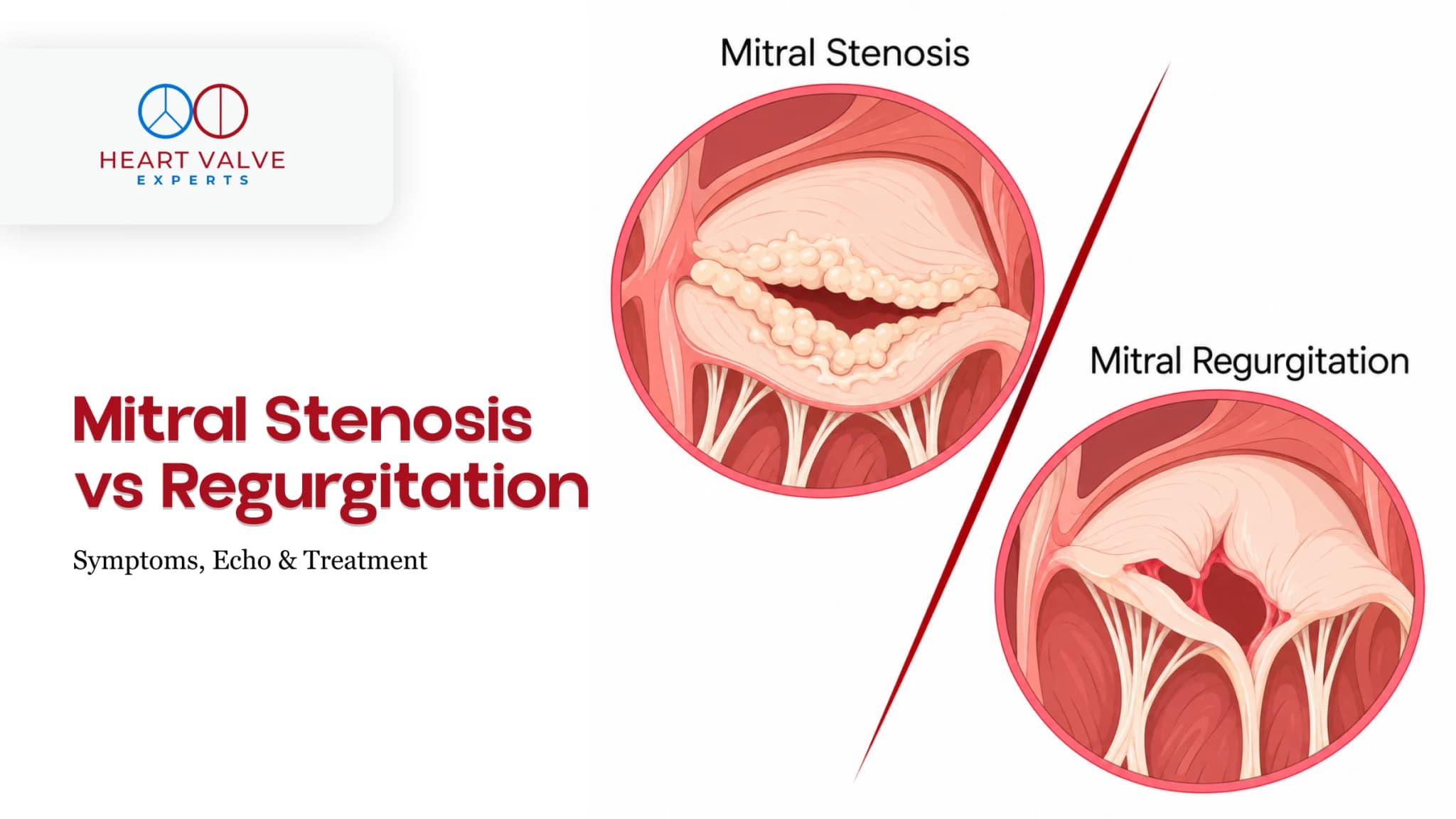
There are numerous cardiac conditions. Among them, heart attack or blockage of vessels supplying the heart are commonly known. Conditions like valvular heart disease are far less understood. When it comes to valvular heart disease, age-related calcification and degeneration of the valves result in a reduction in opening amplitude, which impairs blood outflow. One such valve, the aortic valve, located below the main artery, can develop a restriction known as aortic stenosis (AS).
Until recently, the only viable treatment option for people with AS in their 80s and 90s was open-heart surgery. Being elderly significantly increases the danger of undergoing such a demanding procedure. Concomitant conditions including kidney and lung problems increase the risk further. The transcatheter aortic valve implantation (TAVI) procedure, which replaces the valve without opening the heart, was developed to overcome these limitations.
For patients and families weighing their options, the comparison of TAVI vs open-heart surgery is no longer straightforward. TAVI has emerged as a viable and often preferable alternative for a growing number of patients in India.
The risk factors for AS include family history, increased cholesterol levels, and bicuspid aortic valve, which is commonly seen in India. The bicuspid aortic valve degenerates more rapidly compared to a normal valve and tends to present earlier as a result. Chest pain, dizziness or blackouts, and breathlessness are the cardinal symptoms of AS.
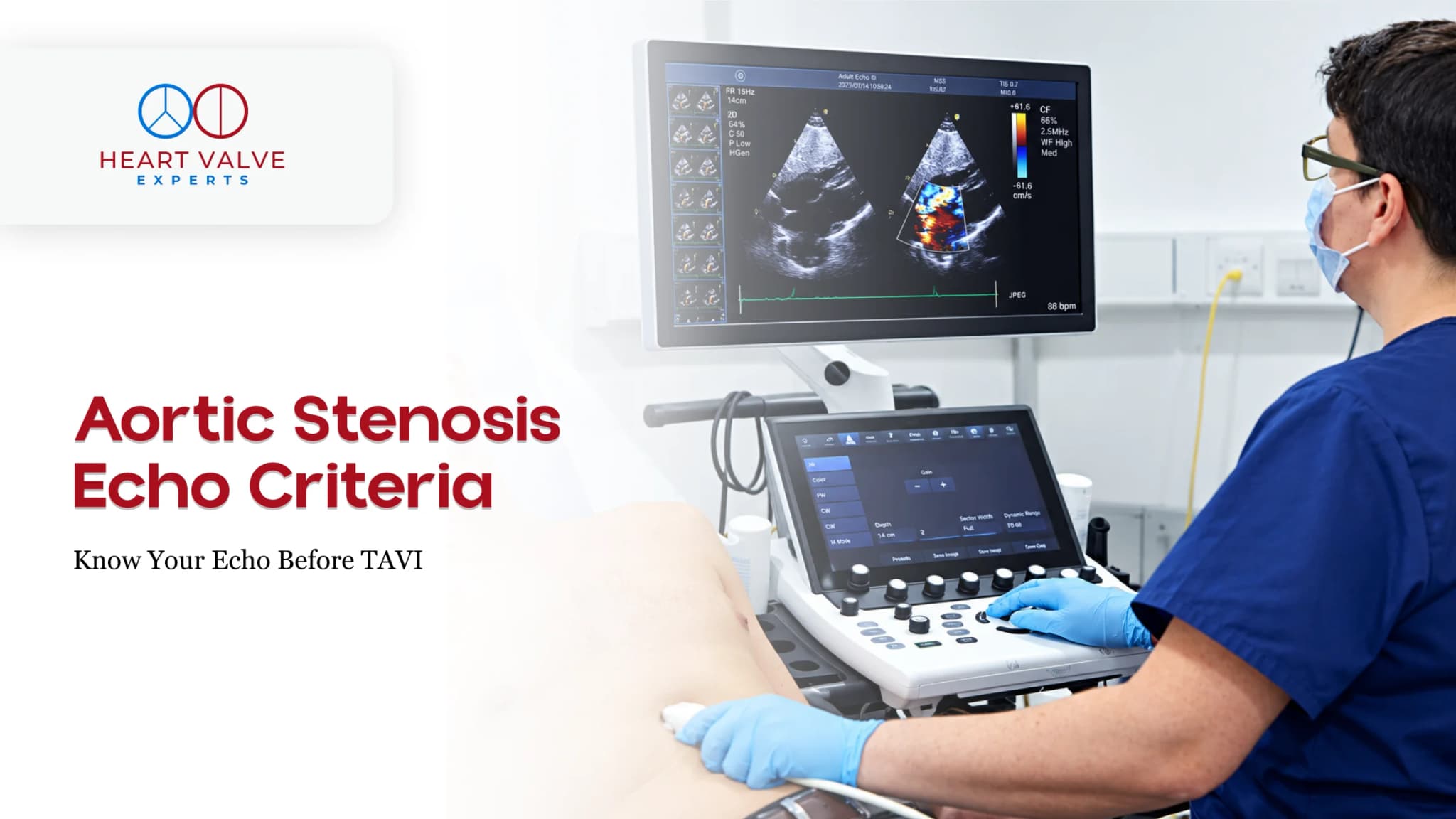
AS is diagnosed by echocardiogram, which determines the gradient across the valve and quantifies the level of stenosis and its severity. A detailed CT scan analysis is conducted before any procedure to help determine the size of the valve and leg arteries and to assess the likelihood of complications.
TAVI (Transcatheter Aortic Valve Implantation) is a minimally invasive procedure that replaces a narrowed aortic valve without the need to open the chest. There are two main valve platforms used:
Balloon Expanding Valves (BEV): The replacement valve is mounted on a balloon and delivered through the leg arteries. Once positioned across the damaged valve, the balloon is inflated, opening the new valve and pressing the old one aside. The new valve begins functioning immediately.
Self-Expanding Valves (SEV): The valve is installed on a capsule that expands automatically once it is positioned across the damaged valve. The operator uses a revolving mechanism to deploy it precisely.
TAVI is performed under sedation rather than general anesthesia. ECGs are monitored throughout for signs of complete heart block. On day two, an echocardiogram is performed to check for obstruction or valve leakage. Recovery is significantly faster than surgery, with most patients discharged the day after the procedure.
Surgical Aortic Valve Replacement (SAVR) is an open-heart procedure that has been performed on thousands of patients with varying degrees of aortic stenosis. Low-risk patients now undergo the bulk of SAVR procedures, and surgical outcomes vary depending on the patient’s overall health.
An incision through the breastbone is required to access the heart. The damaged aortic valve is removed and replaced with a new one. Before the development of TAVI, SAVR was the standard of care for patients with severe aortic stenosis.
Patients with moderate or severe aortic regurgitation (AR) require careful monitoring. The primary treatment for symptomatic severe AR or severe silent AR with left ventricular systolic failure is aortic valve surgery. Pharmacologic therapy is reserved for symptomatic patients who are not candidates for surgery, or to prepare patients for surgery when needed.
When considering TAVI or open-heart surgery, the decision ultimately comes down to the patient’s age, surgical risk score, valve anatomy, and overall health. A multidisciplinary heart team evaluation is essential before any recommendation is made.
Understanding the TAVI procedure vs open-heart surgery side by side can help patients and caregivers make a more informed decision.
| Factor | TAVI | Open-Heart Surgery (SAVR) |
| Procedure Type | Minimally invasive, catheter-based | Traditional open-chest surgery |
| Anesthesia | Sedation (no general anesthesia needed) | General anesthesia required |
| Incision | Small incision in the groin or chest | Large incision through the breastbone |
| Hospital Stay | 1-2 days | 5-10 days |
| Recovery Time | 1-2 weeks | 6-8 weeks or longer |
| Heart Stopped? | No | Yes, heart-lung bypass machine used |
| Ideal Candidates | Elderly, frail, or high-to-intermediate risk patients | Younger or low surgical risk patients |
| Valve Placement | New valve placed inside the old one | Old valve removed and replaced |
| Valve Durability | May need re-intervention after 10-15 years | Generally longer durability |
| Cost in India | Rs. 8-20 lakhs (varies by valve type) | Rs. 2-5 lakhs approximately |
| Availability in India | 30+ centres, growing steadily | Widely available across India |
| Stroke Risk | Less than 1% | Higher than TAVI |
| Pacemaker Requirement | 1-5% of cases | Rare |
No procedure is without risk. For TAVI, the most frequent complication is the requirement for permanent pacemaker implantation (PPI), which occurs in 1 to 5% of cases and is more common with balloon expanding valves than self-expanding ones. Another potential complication is injury to the leg artery during catheter access, which may require stenting. In some instances, paravalvular leaks, meaning minor leakage through the sides of the valve, may need to be addressed. Stroke occurs in less than 1% of TAVI patients, a significantly lower rate than with open-heart surgery.
For SAVR, risks include infection, significant bleeding, stroke, and complications from general anesthesia. The extended recovery period also introduces vulnerabilities such as pneumonia and physical deconditioning, which are more common in older or frailer patients.
TAVI has undergone rigorous clinical trials and has demonstrated outcomes equal to or better than surgery in high-risk patients. As a result, the USFDA has authorised TAVI as an alternative to surgery for low to high-risk AS.
Currently, both rheumatic and non-rheumatic AS are widely seen in India. TAVI has transformed the treatment of non-rheumatic AS, and early optimism exists for its application in rheumatic AS as well. Due to limited epidemiological research in this group, estimating the true burden of AS in India remains challenging, though many patients are considered eligible for TAVI.
The primary barrier to wider adoption remains cost. For international valves, the average TAVI procedure costs upwards of Rs. 20 lakhs. However, Indian enterprises have developed excellent domestic valve platforms that have significantly reduced this expense without compromising quality. The overall cost of treatment is expected to decrease further over time as adoption grows.
India has also risen to the top of medical travel destinations globally. The availability of specialist physicians across numerous disciplines, combined with comparatively affordable treatment options, drives this trend. For TAVI specifically, patients from around the world travel to India for the procedure. TAVI is currently performed at more than 30 locations across India, with seven centres bearing the highest volume of cases. Patients consistently report meaningful improvements in quality of life within 30 days of the procedure.
Conclusion
TAVI is a significant advancement for individuals who previously had no alternative to open-heart surgery. Of all the medical breakthroughs in the past decade, TAVI has had one of the greatest impacts on the ability of patients in their 80s and 90s to live longer, healthier lives. As costs continue to decrease and availability across India grows, TAVI is set to become an increasingly accessible option for patients with aortic stenosis across the country.
For elderly or high-risk patients, TAVI is generally safer and offers a faster recovery. For younger, healthier patients, open-heart surgery may still be preferred due to better long-term valve durability. The right choice depends on an individual evaluation by a cardiac team.
TAVI may not be suitable for patients with certain valve anatomies, very small or large aortic annulus sizes, significant blockages in the leg arteries, or active infections such as endocarditis. A CT scan and echocardiogram are used to determine eligibility.
Current evidence suggests TAVI valves last 10 to 15 years or more. Younger patients may eventually require a second intervention, which is one reason open-heart surgery is still preferred for lower-risk, younger individuals.
TAVI patients are typically discharged within one to two days and resume daily activities within one to two weeks. Open-heart surgery requires a hospital stay of five to ten days, followed by six to eight weeks of recovery.
Yes. TAVI is performed at more than 30 centres across India. Domestically manufactured valve platforms have also helped reduce costs and improve accessibility nationwide.
TAVI in India typically costs between Rs. 8 lakhs and Rs. 20 lakhs depending on the valve type and hospital. Open-heart surgery generally ranges from Rs. 2 lakhs to Rs. 5 lakhs, though longer hospital stays and rehabilitation add to the overall cost.
Yes. TAVI is performed under sedation in most cases, which is one of its key advantages for elderly patients who face higher risks with general anesthesia.
Yes. TAVI was specifically developed for very elderly patients for whom open-heart surgery carries high risk. Clinical data confirms it can be performed safely in this age group with good outcomes and meaningful improvement in quality of life.

About The Author
With over 15 years of expertise, Dr. Phatarpekar is recognised as a renowned interventional cardiologist in Mumbai, specialising in complex coronary interventions, structural heart procedures, and pioneering work in Transcatheter Aortic Valve Implantation (TAVI).
● Blog