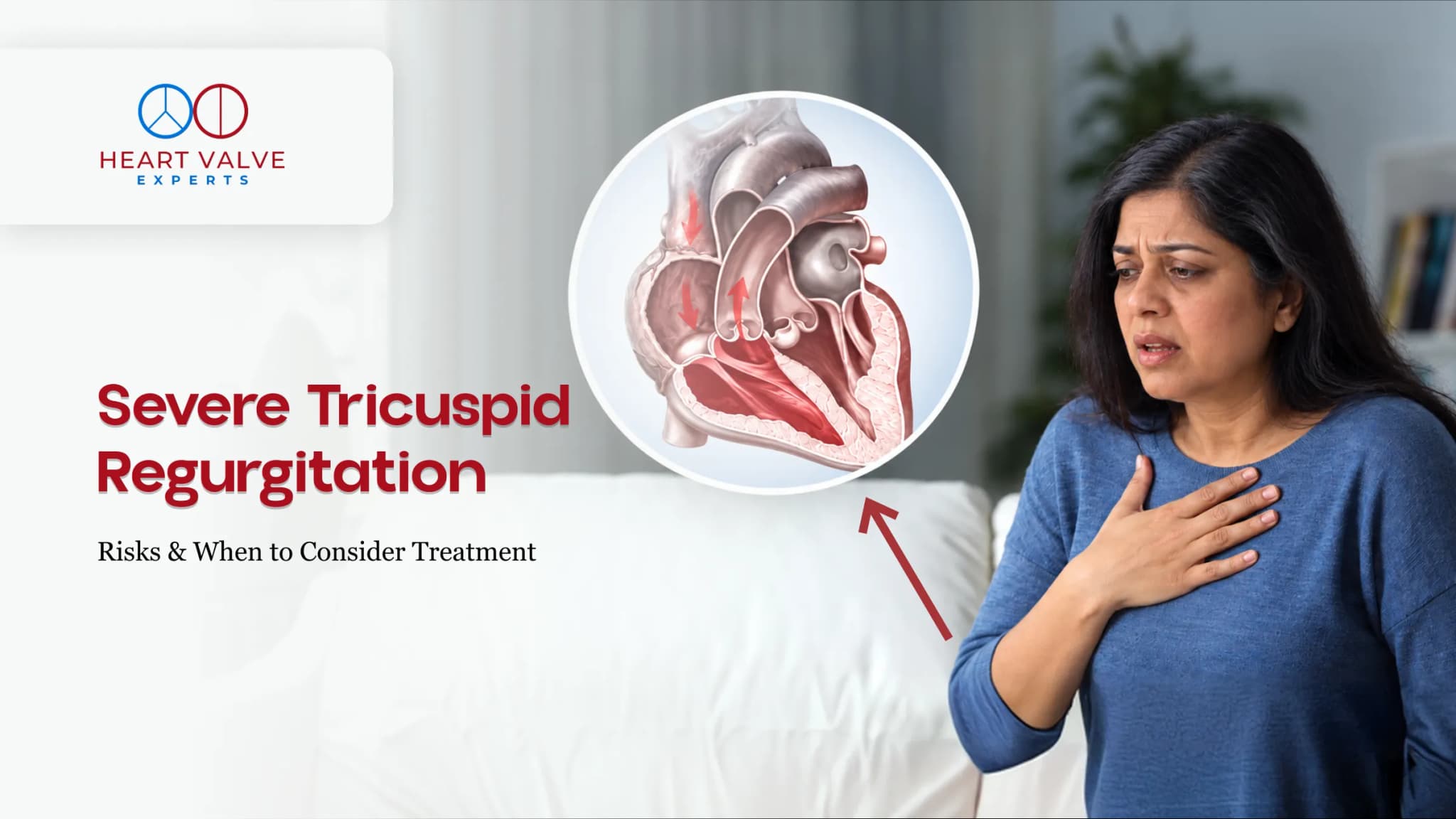
Heart Valve Replacement Surgery Risks: What You Need to Know
Table of Contents
- What Are the General Risks of Heart Valve Replacement Surgery?
- What Are the Risks of Heart Valve Replacement Surgery in the Elderly?
- What Are the Risk Factors for Heart Valve Replacement Surgery?
- What Are the Risks of Open-Heart Valve Replacement Surgery?
- How Can You Reduce Your Risks?
- Key Takeaway
- Concerned about the risks of heart valve replacement surgery?
- Frequently Asked Questions

Medically Reviewed By
Dr. Ankur U. Phatarpekar
Get A Call Back
Heart valve replacement surgery is a well-established procedure that has helped millions of people live longer and healthier lives. However, understanding the risks of a heart valve replacement is essential before making a decision.
What Are the General Risks of Heart Valve Replacement Surgery?
Many people undergo surgery without facing any serious complications in experienced centres. However, a heart valve replacement surgery does come with its own set of risks.
These include:
- Bleeding during or after surgery
- Infections
- Blood clots
- Irregular heart rhythms
- Kidney problems
- Reaction to anaesthesia
These risks of a heart valve replacement surgery vary based on age, overall health, and the type of procedure performed.
What Are the Risks of Heart Valve Replacement Surgery in the Elderly?
Older patients who need heart valve replacement surgery are generally at a higher risk because their bodies are less able to handle stress.
- Recovery after surgery is often slower.
- Older patients are more sensitive to surgical stress and often have more comorbidities which increases overall risk.
- Risks such as stroke and longer hospital stays are higher
However, minimally invasive options such as Transcatheter Aortic Valve Implantation/Replacement (TAVI/TAVR) or Transcatheter Edge-To-Edge Repair (TEER) are often recommended for high-risk patients.
Despite these factors, many older patients recover well and experience significant improvements in their quality of life.
What Are the Risk Factors for Heart Valve Replacement Surgery?
Certain conditions and habits can increase the surgical risks of heart valve replacement and affect outcomes.
These include:
- Diabetes
- Chronic kidney disease
- Obesity
- Smoking
- Previous heart attack or heart failure
- Severe lung disease
- Frailty with advanced age
- Multiple valve conditions
These factors are assessed prior to surgery to determine the safest treatment approach.
What Are the Risks of Open-Heart Valve Replacement Surgery?
The risks of open heart surgery valve replacement are linked to the nature of the procedure itself:
- Use of the heart-lung bypass machine may trigger inflammation.
- Longer bypass time can increase risk of stroke or kidney injury.
- A chest incision carries the risk of infection and delayed healing
- Temporary memory or concentration issues may occur.
- Recovery time is longer compared to minimally invasive options.
In contrast, minimally invasive heart valve procedures such as Transcatheter Aortic Valve Implantation/Replacement (TAVI/TAVR) and Transcatheter Edge-to-Edge Repair (TEER) avoid large chest incisions. These seldom require a heart-lung machine.
These approaches typically result in:
- Shorter hospital stays
- Faster recovery
- Lower risk of certain complications in selected patients
However, they are not suitable for everyone, and the choice between open surgery and minimally invasive techniques depends on valve anatomy, overall health, and surgical risk.
How Can You Reduce Your Risks?
You can reduce risks of a heart valve replacement surgery by the following:
- Quitting smoking
- Managing blood sugar and blood pressure
- Maintaining a healthy weight
- Following pre- and post-surgery instructions
- Cardiac rehabilitation
- Taking prescribed medications consistently
- Keeping regular follow-up appointments
Key Takeaway
The risks of a heart valve replacement surgery are real, but for most patients, the benefits outweigh them. Understanding your individual risk profile allows for better decision-making and safer outcomes.
A personalised evaluation with a cardiac specialist ensures you receive the most appropriate treatment for your condition.
Concerned about the risks of heart valve replacement surgery?
At Heart Valve Experts, we provide personalised risk assessment and advanced treatment options, including minimally invasive procedures tailored to your condition.
Consult our team at Heart Valve Experts today and take a confident step towards a safer and better heart care.
Frequently Asked Questions
It is generally safe, with high success rates. Risks like bleeding, infection, or arrhythmias can occur but are usually manageable.
Survival rates are high, often above 95%, depending on overall health and procedure type in experienced centres and in appropriately selected patients.
Minimally invasive procedures offer faster recovery and fewer complications in selected patients, while open surgery is better for complex cases.
Irregular heart rhythm (arrhythmia) is one of the most common complications after surgery.
These include infection, bleeding, blood clots, kidney issues, and temporary cognitive changes.
Complications may include bleeding, infection, stroke, kidney problems, or anaesthesia reactions, depending on patient risk factors.
Open surgery recovery takes about 6-12 weeks, while minimally invasive procedures allow quicker recovery.
Recovery can be demanding, especially after open surgery, but most patients improve steadily with proper care and rehabilitation.
Yes, many elderly patients do well. Minimally invasive options are often preferred for safety.
Diabetes, kidney disease, obesity, smoking, lung disease, and advanced age can increase risk.
Quit smoking, manage blood pressure and sugar, maintain a healthy weight, and follow medical advice.
It is recommended when valve disease is severe, symptoms worsen, or heart function is affected.

About The Author
Dr. Ankur U. Phatarpekar M.D., D.M., FSCAI
With over 15 years of expertise, Dr. Phatarpekar is recognised as a renowned interventional cardiologist in Mumbai, specialising in complex coronary interventions, structural heart procedures, and pioneering work in Transcatheter Aortic Valve Implantation (TAVI).
● Blog
Related Heart Valve Experts (HVE) Blog
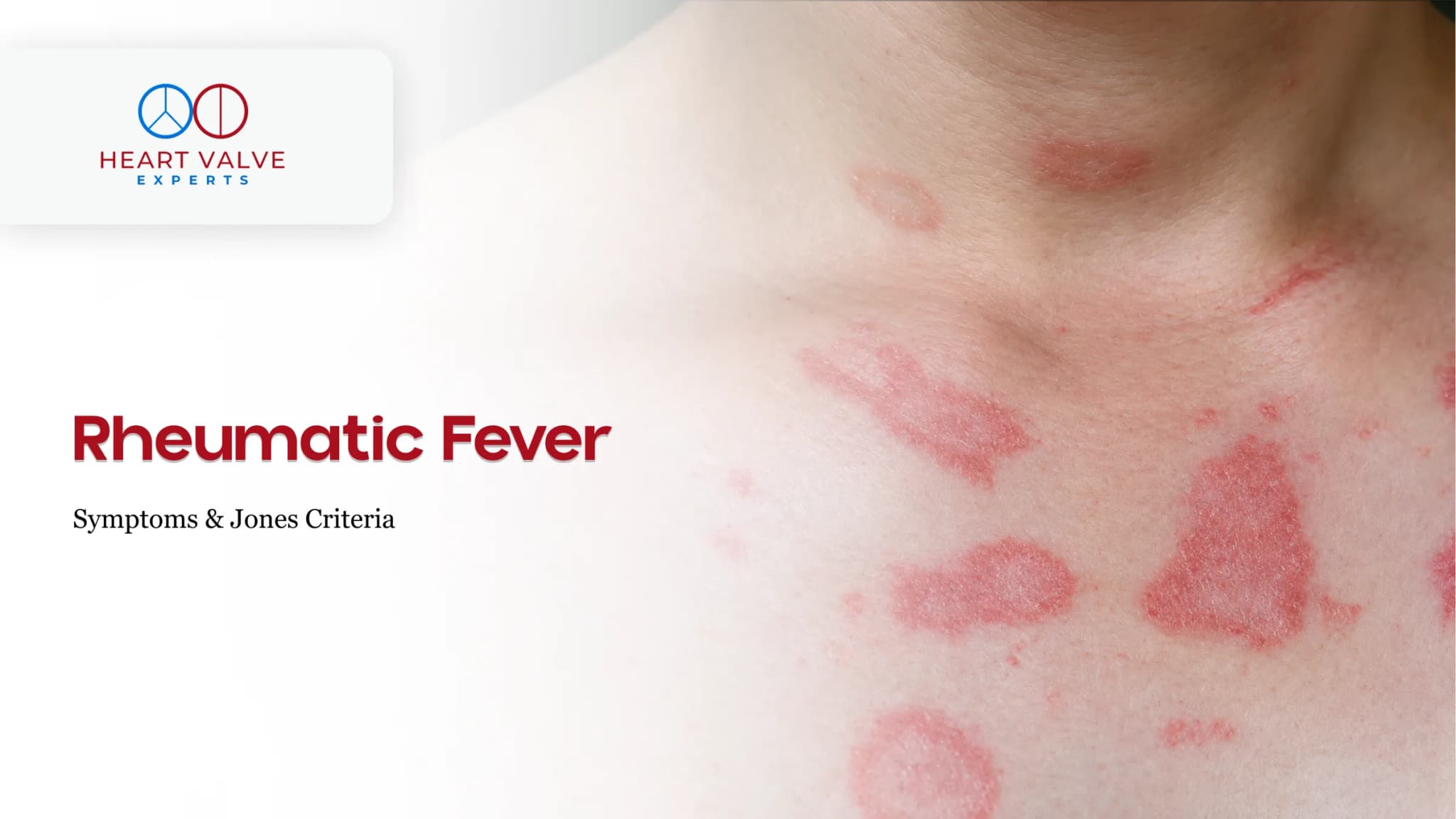
Rheumatic Fever – Symptoms, Jones Criteria and How It Damages Heart Valves
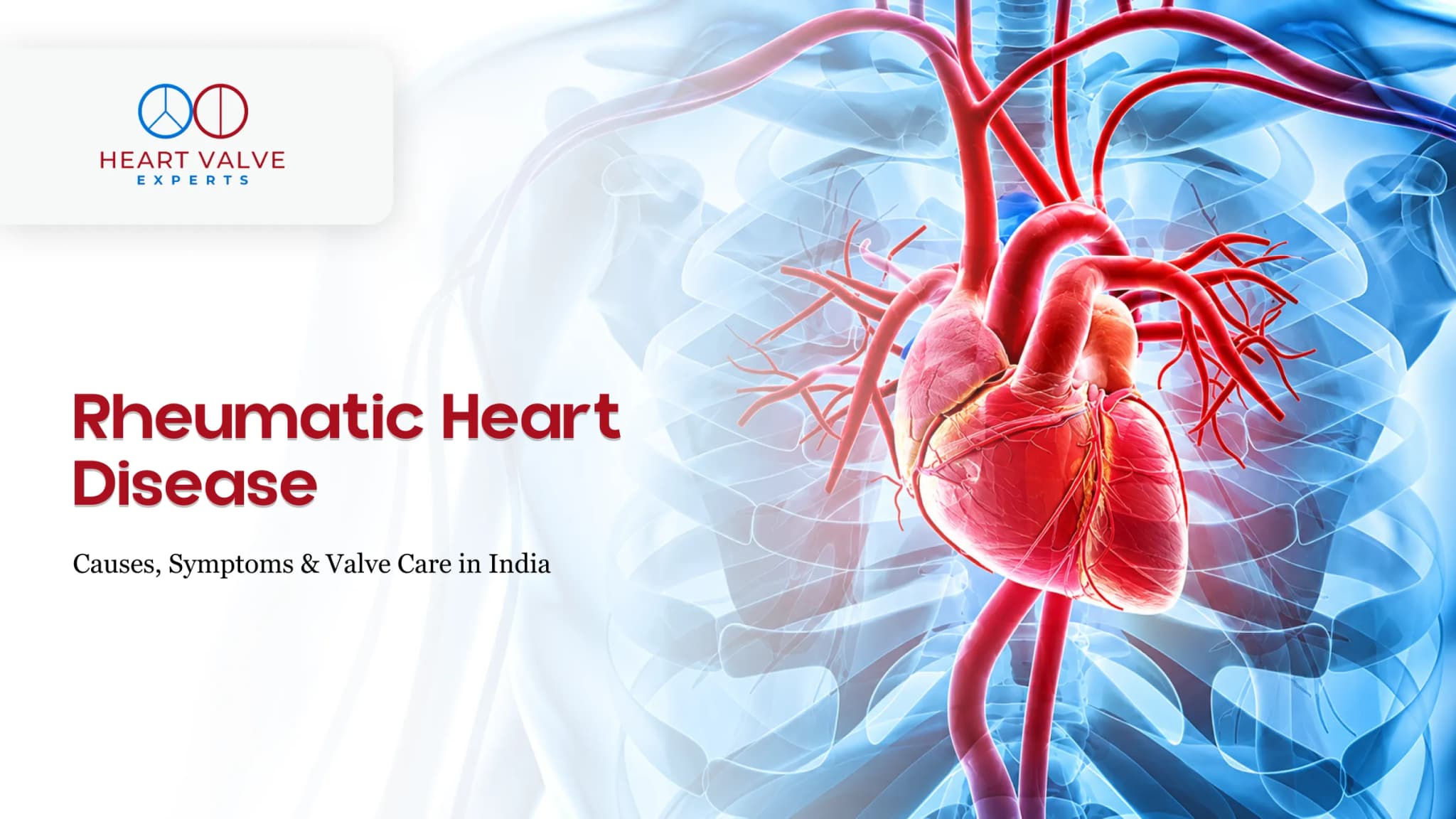
Rheumatic Heart Disease – Causes, Symptoms, Treatment
Tricuspid Regurgitation Treatment
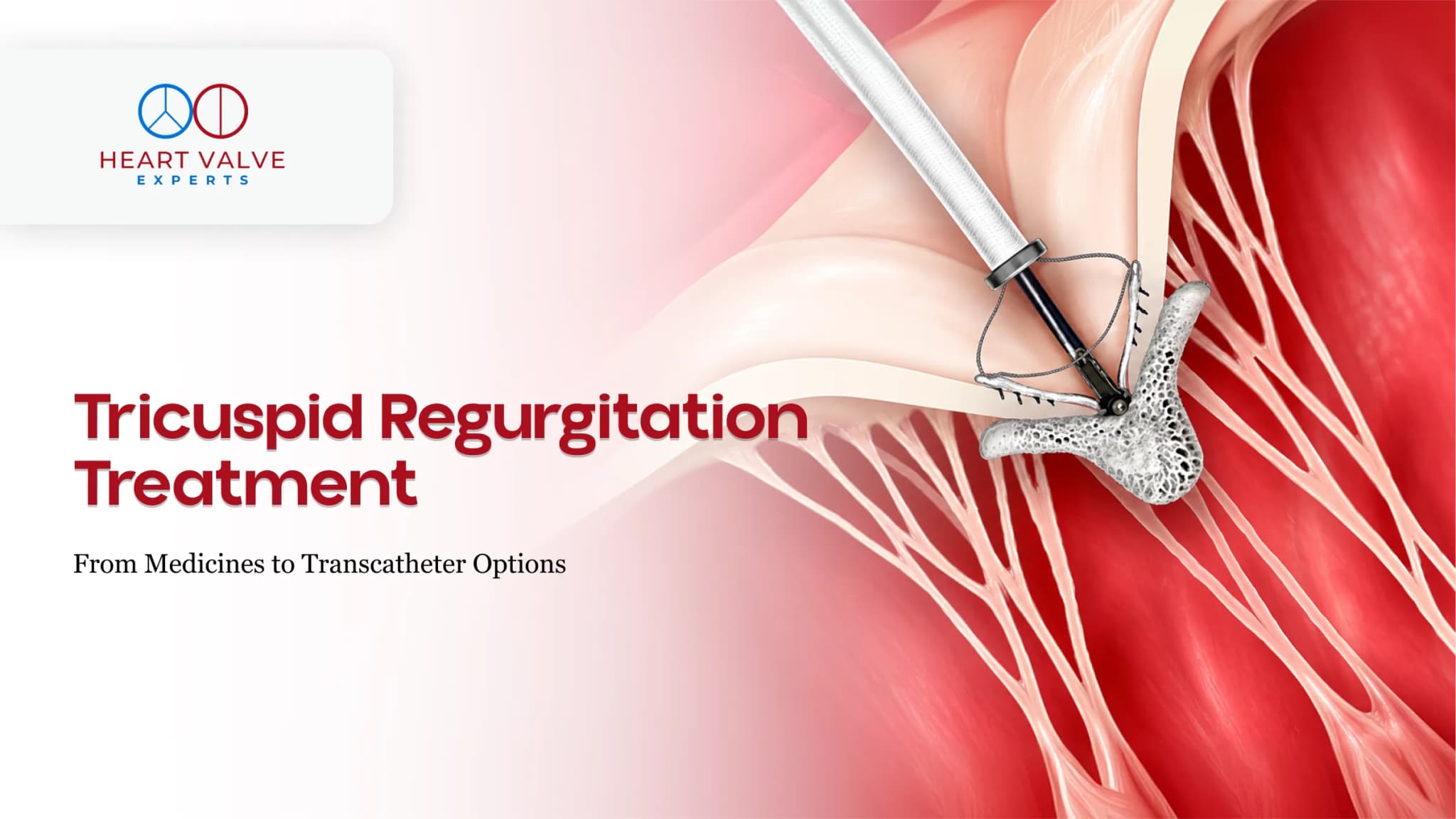
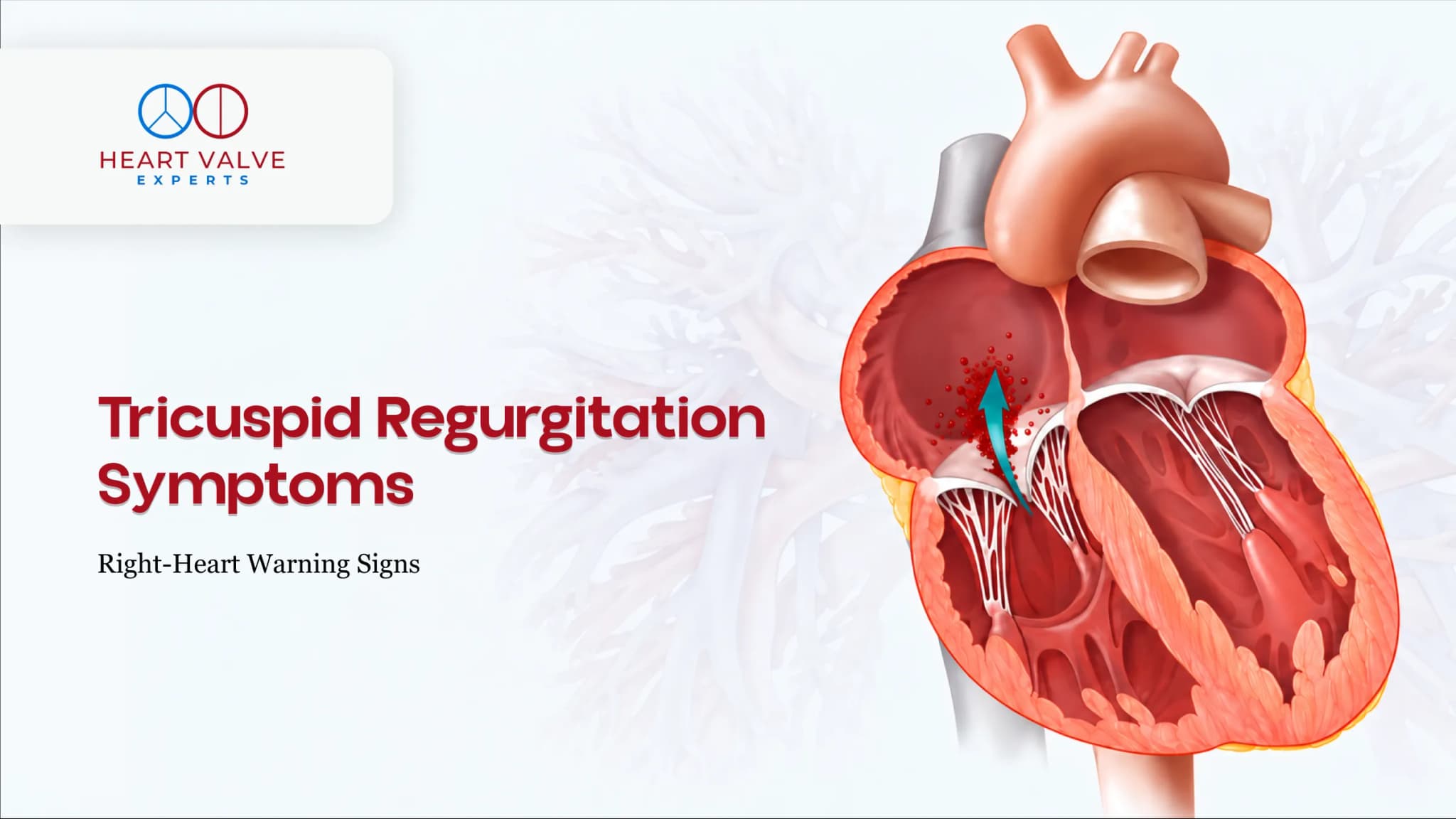
Tricuspid Regurgitation Symptoms and The Right-Heart Warning Signs
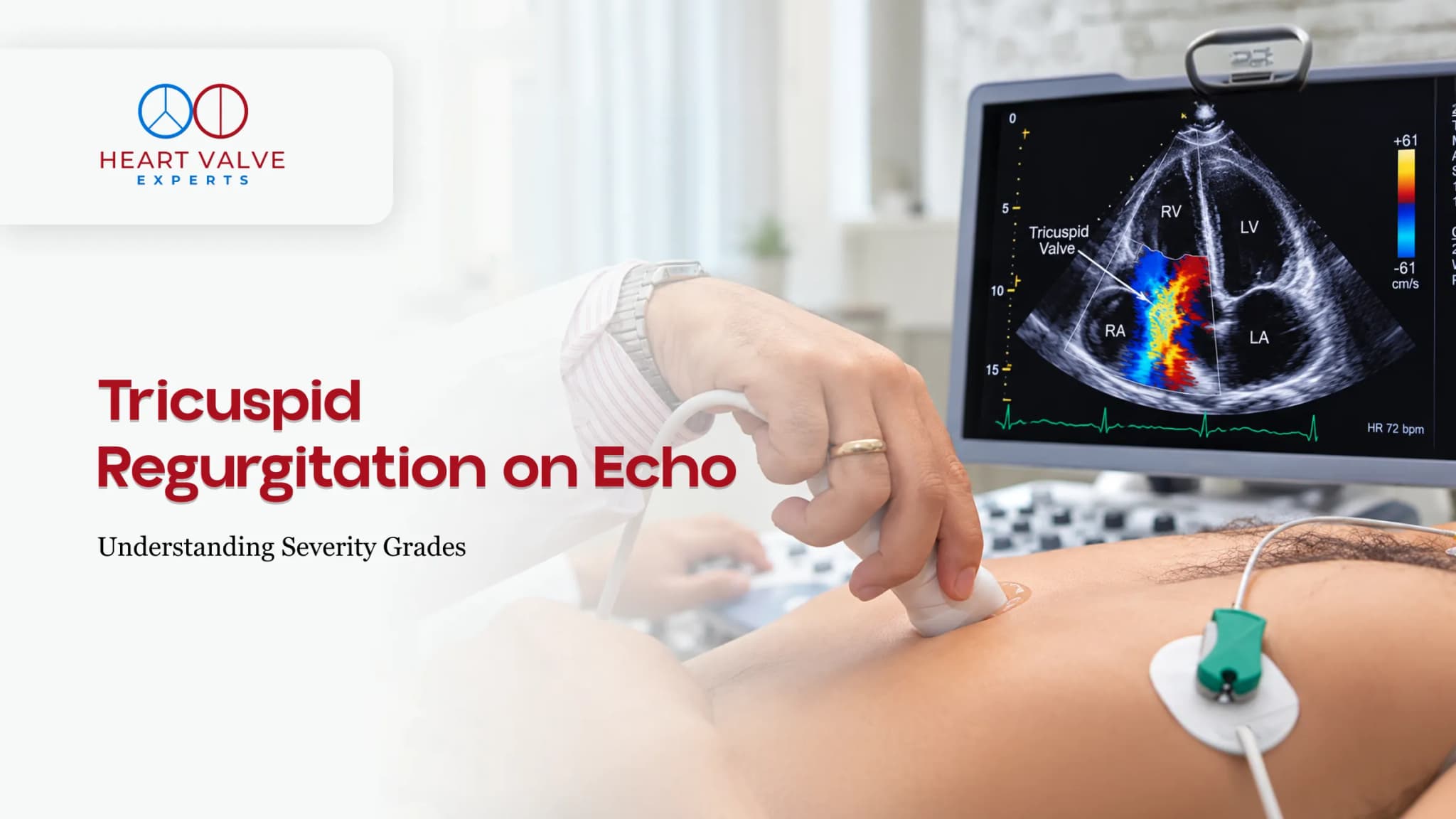
What Is Tricuspid Regurgitation and What Does It Mean for Your Heart?