
Severe Tricuspid Regurgitation and Treatment
Table of Contents
- What Is Severe Tricuspid Regurgitation?
- What Happens to the Heart in Severe TR?
- What Are the Symptoms of Severe Tricuspid Regurgitation?
- Why Can Severe Tricuspid Regurgitation Become Risk?
- Does Severe TR Always Require Surgery?
- How Is Severe Tricuspid Regurgitation Treated?
- When Should You See a Heart Valve Expert?
- Frequently Asked Questions
- References

Medically Reviewed By
Dr. Ankur U. Phatarpekar
Get A Call Back
Severe tricuspid regurgitation means the tricuspid valve is leaking a lot of blood backward into the right atrium every time the heart beats. It puts strain on the right side of the heart and can cause swelling, tiredness and breathlessness. Treatment is based on your symptoms, right heart function and cause of the leak, not just the word “severe”.
The word “severe” in your echo report can be alarming. It tells you the leak is significant and needs careful assessment and a clear follow-up plan.” In this blog, we will explain what the term means, what risks are associated with it and its treatment.
What Is Severe Tricuspid Regurgitation?
Severe tricuspid regurgitation means that a significant amount of blood is flowing backward through the tricuspid valve when the right ventricle contracts. Unlike a small leak that may have little effect on the heart, severe TR can gradually place extra strain on the right side of the heart.
When you see “severe TR” on your echo report, it is natural to wonder what happens next. The answer is not the same for everyone. Your doctor will look at the leak alongside the condition of the right side of your heart, your symptoms and how things have changed from your earlier scans. That wider picture helps decide whether you can continue with regular follow-up or whether it is time to discuss treatment.
If you have tricuspid regurgitation, this is also a good point to have your reports reviewed by a heart valve specialist. A second opinion can help you understand why treatment has been suggested and whether there are other options worth considering in your particular case.
What Happens to the Heart in Severe TR?
In severe tricuspid regurgitation, a significant amount of blood flows backward into the right atrium each time the right ventricle contracts. Over time, this extra volume can enlarge the right side of the heart and may affect how well the right ventricle pumps.
The tricuspid valve sits between the right atrium and right ventricle. It normally closes when the right ventricle contracts, allowing blood to move forward toward the lungs.
With severe TR, the valve does not close properly. This leads to a transfer of a significant amount of blood backwards into the right atrium.
This repeated backward flow increases the amount of blood the right side of the heart has to handle. Over time, the right atrium may become enlarged and the right ventricle may also stretch or enlarge.
Initially, the heart may compensate for these changes. You may continue with your normal routine and have very few symptoms. As the condition progresses the right ventricle may become less effective at pumping blood.
What Are the Symptoms of Severe Tricuspid Regurgitation?
The most common severe trisucpid regurgitation symptoms are swelling in the legs and ankles, fatigue, breathlessness and reduced exercise tolerance. Fluid can also collect in the abdomen, causing abdominal swelling or a feeling of fullness.
You might first notice something as simple as getting more tired on your usual walk or having to pause halfway up a flight of stairs. Some people notice swelling around the ankles by evening, while others feel more short of breath during activities they could previously manage without much effort.
Because these changes often happen slowly, it is easy to put them down to getting older or being less active. But if you have severe TR, any noticeable change in your stamina or in your breathing or swelling needs to be shared with your cardiologist. Comparing these changes with your previous symptoms and echo findings can help show whether the valve is starting to affect your daily life and when it can become serious.
Why Can Severe Tricuspid Regurgitation Become Risk?
Severe tricuspid regurgitation can become serious because the leak slowly overloads the right side of the heart. Over time, the right chambers enlarge, the right ventricle can tire, and fluid backs up into the legs, abdomen and organs. This does not happen to everyone which is why severe TR needs regular follow-up.
How Severe TR Strains the Right Heart
With every beat, some blood slips backward through the leaky valve. The right side of your heart then has to handle that blood again, along with the new blood coming back from your body. Doctors call this extra load as volume overload. To cope, the chambers slowly dilate, which simply means they stretch and grow bigger. This works for a while, but a stretched heart muscle gradually pumps less well.
When the right side tires, blood starts to pile up in the veins behind it. Doctors call this venous congestion. It is why your ankles swell, your tummy feels full and stairs leave you out of breath. Together, these changes are called right-sided heart failure. It builds so slowly that most people only realise it looking back.

“With severe tricuspid regurgitation, I pay close attention to what is happening to the right ventricle over time. A patient may feel reasonably well while the heart is compensating, but progressive enlargement or weakening of the right ventricle can change the situation. That is why we need to look beyond the valve leak itself and follow the condition of the right heart.”
– Dr. Amit S. Gangwani, M.B.B.S., DNB (Medicine), DrNB (Cardiology)
Interventional Cardiologist, Mumbai
Does Severe Tricuspid Regurgitation Always Lead to Heart Failure?
No. Severe tricuspid regurgitation does not always lead to heart failure. Many people remain stable for years, particularly when the underlying cause is treated and the right ventricle continues to pump well. Regular follow-up helps doctors detect any change early.
Heart failure is still a recognised complication. In a registry of nearly 1,300 patients with severe TR, about 40% were admitted to hospital with worsening heart failure (Kapłon-Cieślicka et al., 2026). This is why doctors monitor the right side of the heart closely.
Doctors look for three signs that the right heart is under strain:
- Enlargement of the right heart chambers on echocardiography
- Reduced pumping function of the right ventricle
- Swelling that returns despite diuretic medicines
Patients should contact their cardiologist if new swelling, breathlessness or unusual tiredness develops. Early review allows treatment to be planned before the right ventricle weakens further.
Can Severe Tricuspid Regurgitation Be Monitored?
Severe tricuspid regurgitation can sometimes be followed without immediate intervention, particularly when you have few symptoms and your right ventricle is still functioning well.
Your cardiologist will usually compare your current echo with earlier scans to see whether the leak or right-heart changes are progressing, while also keeping track of symptoms such as swelling, breathlessness and reduced stamina.
There is no fixed follow-up schedule for everyone. Some people with stable severe TR may be reviewed every six to twelve months, while those with new symptoms or conditions such as atrial fibrillation may need closer follow-up. Monitoring should also give you a clear idea of what would prompt treatment.
A specialist review can therefore be useful even when you are currently feeling well and if you want to understand your options before the condition changes.
Does Severe TR Always Require Surgery?
Severe tricuspid regurgitation does not always require surgery. Treatment depends on whether the leak is causing symptoms, whether the right ventricle is enlarged or losing function, and whether the underlying cause of TR can be treated.
Some people with severe TR remain stable for a period of time and can be followed with regular clinical assessments and echocardiograms. Others develop increasing swelling, breathlessness, reduced exercise capacity or signs of right-heart dysfunction. In these situations, continuing to monitor the valve may no longer be enough, and the benefits of treating the valve need to be discussed.
The cause of the TR also matters. When severe TR is secondary to another heart condition, treatment may include addressing that underlying problem as part of the overall plan. The anatomy of the tricuspid valve, the condition of the right ventricle and the patient’s overall health then help determine whether repair, replacement or a transcatheter approach is appropriate.
When treatment is needed, options may include medicines to control fluid retention, surgical repair or replacement, or transcatheter treatment in selected patients. The choice and timing of treatment should be based on the individual heart findings
How Is Severe Tricuspid Regurgitation Treated?
Severe tricuspid regurgitation treatment includes medicines, valve repair, valve replacement or a transcatheter procedure, depending on the patient’s symptoms, right ventricular function and valve anatomy. Medicines such as diuretics help control fluid retention but do not fix the leaking valve. When the severe leak is affecting the right heart or causing significant symptoms, valve intervention may be considered.
| Treatment | What it involves |
| Medicines | Diuretics may be prescribed when TR causes swelling or fluid retention. They help remove excess fluid and ease symptoms such as breathlessness, but they do not repair the leaking valve. |
| Tricuspid valve repair | When the valve can be repaired, the aim is to help it close properly while keeping your own valve. Whether this is possible depends on the valve’s structure and the reason for the leak. |
| Tricuspid valve replacement | If the valve is too damaged or unsuitable for repair, replacing it may be considered. The choice of replacement depends on your valve anatomy, age, health and other clinical factors. |
| Transcatheter treatment | For selected patients who have significant TR and may face higher risks with conventional surgery, a catheter-based procedure may be considered. The appropriate approach depends on the valve anatomy and overall condition of the heart. |
Medicines may be enough to control symptoms for some time, but when severe TR is causing progressive changes in the right side of the heart, treating the valve itself may need to be discussed. Research in patients with symptomatic severe TR has found that selected patients undergoing transcatheter intervention can experience improvements in symptoms and functional capacity (Sorajja et al., 2020).
There is no single treatment that is right for everyone with severe TR. The decision comes down to what is happening inside your heart and which option is likely to give you the best balance of benefit and risk.
When Should You See a Heart Valve Expert?
An expert evaluation can be particularly useful if you have severe TR along with increasing symptoms, right-heart enlargement, reduced right ventricular function or progression on previous echocardiograms.
It can also help when your cardiologist has started discussing repair, replacement or a transcatheter procedure and you want to understand whether treatment is appropriate at this stage.
A heart valve expert can review your current and previous echocardiograms, assess the cause and severity of the TR and look at the condition of the right side of your heart as a whole.
At Heart Valve Experts, the focus is on heart valve conditions and the treatment decisions surrounding them. Bringing your echo reports and previous cardiac investigations can help provide a clearer picture of how your condition has changed.
Frequently Asked Questions
Life expectancy with severe tricuspid regurgitation depends on the severity of the valve leak, right heart function, symptoms and other medical conditions.
Severe TR can become serious, particularly when it causes symptoms, right-heart enlargement or reduced right ventricular function. Regular specialist follow-up helps identify these changes.
It means that the overall echocardiographic findings indicate significant leakage through the tricuspid valve. Doctors assess the leak together with the condition and function of the right side of the heart.
Selected patients may be managed with medicines for symptoms, while some patients may be suitable for transcatheter valve treatment. The appropriate option depends on the individual patient’s condition.
No. Some patients can be monitored, while others may benefit from valve repair, replacement or transcatheter treatment.
Yes. Significant TR can contribute to fluid retention, which may cause swelling in the legs and ankles.
Yes. Severe TR can progress in some patients, particularly when the underlying cause continues to affect the right side of the heart. Follow-up echocardiograms help doctors monitor these changes.
Consider specialist evaluation if you have severe TR with increasing symptoms, right-heart enlargement, reduced right ventricular function, progression on echocardiograms or if a valve procedure is being considered.
References
Chorin, E., Rozenbaum, Z., Topilsky, Y., et al. (2020). Tricuspid regurgitation and long-term clinical outcomes. European Heart Journal – Cardiovascular Imaging, 21(2), 157–165.
Kapłon-Cieślicka, A., Piasecki, A., Semczuk-Kaczmarek, K., et al. (2026). Severe tricuspid regurgitation: aetiology, patient characteristics, and treatment: a multicentre, prospective registry. ESC Heart Failure, 13(4), xvag190.
Sorajja, P., Whisenant, B., Hamid, N., et al. (2020). Natural history of severe tricuspid regurgitation: outcomes after transcatheter tricuspid valve intervention compared to medical therapy. International Journal of Cardiology, 321, 150–157.

About The Author
Dr. Ankur U. Phatarpekar M.D., D.M., FSCAI
With over 15 years of expertise, Dr. Phatarpekar is recognised as a renowned interventional cardiologist in Mumbai, specialising in complex coronary interventions, structural heart procedures, and pioneering work in Transcatheter Aortic Valve Implantation (TAVI).
● Blog
Related Heart Valve Experts (HVE) Blog
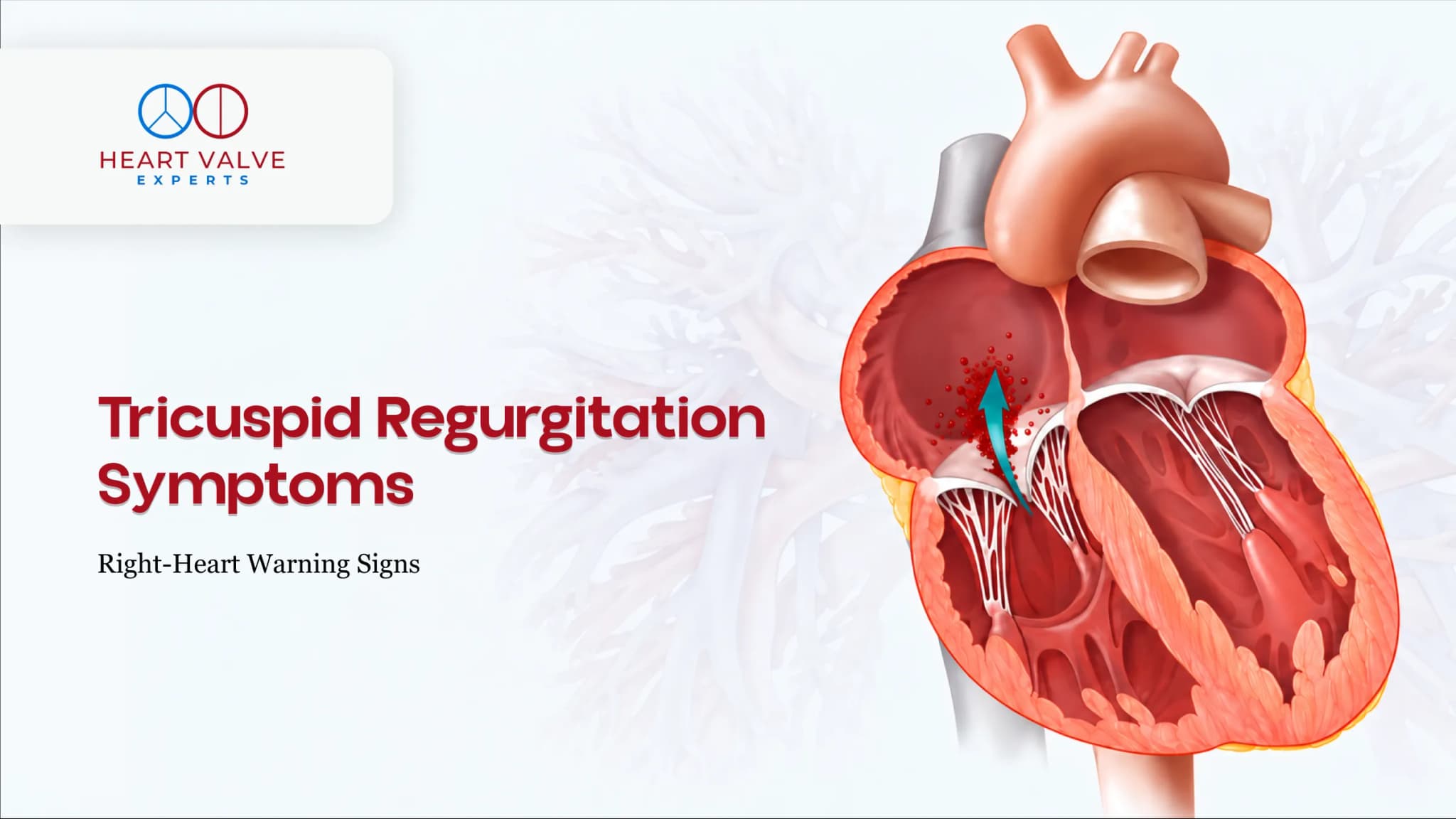
Tricuspid Regurgitation Treatment
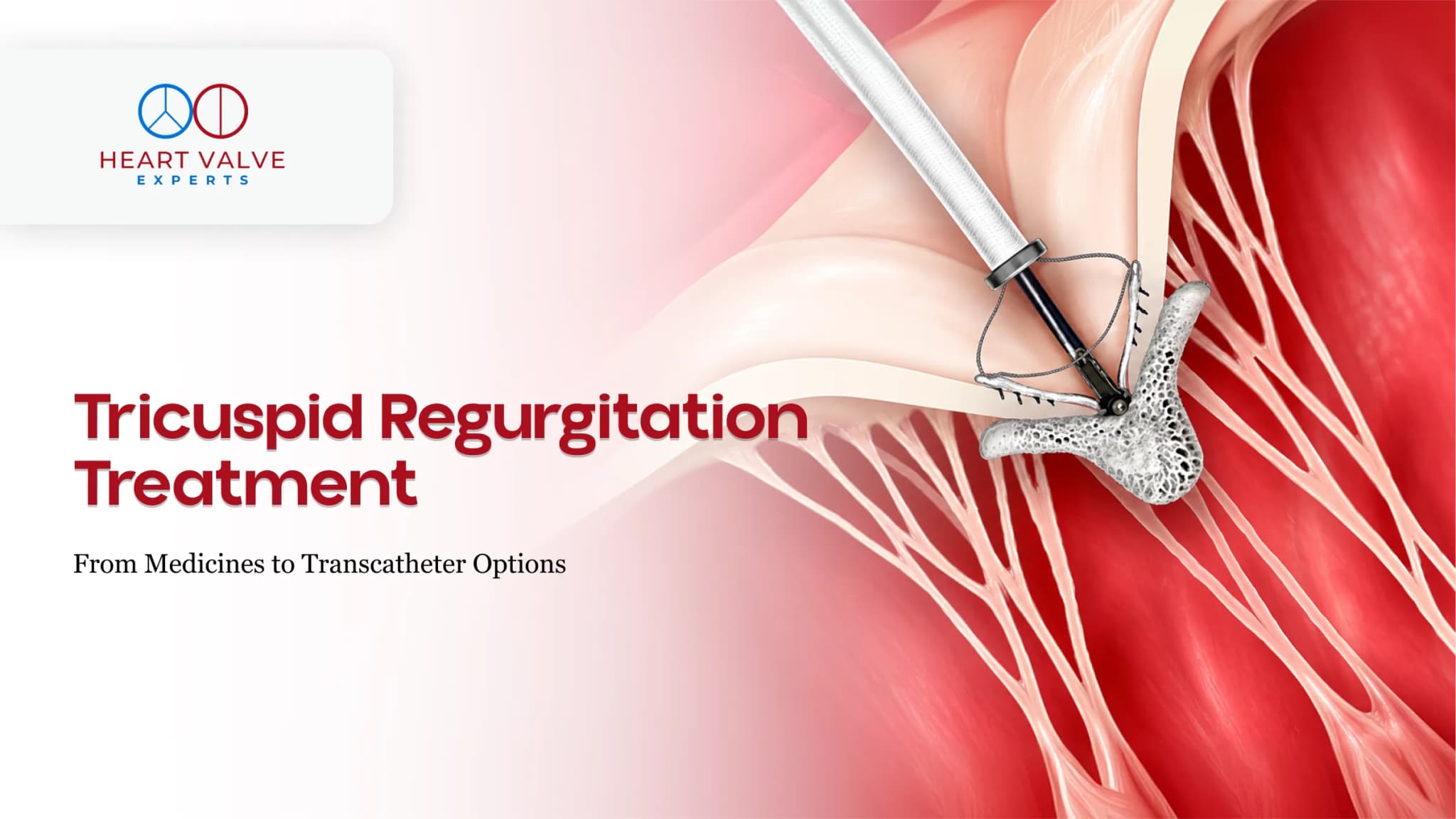
Tricuspid Regurgitation Symptoms and The Right-Heart Warning Signs
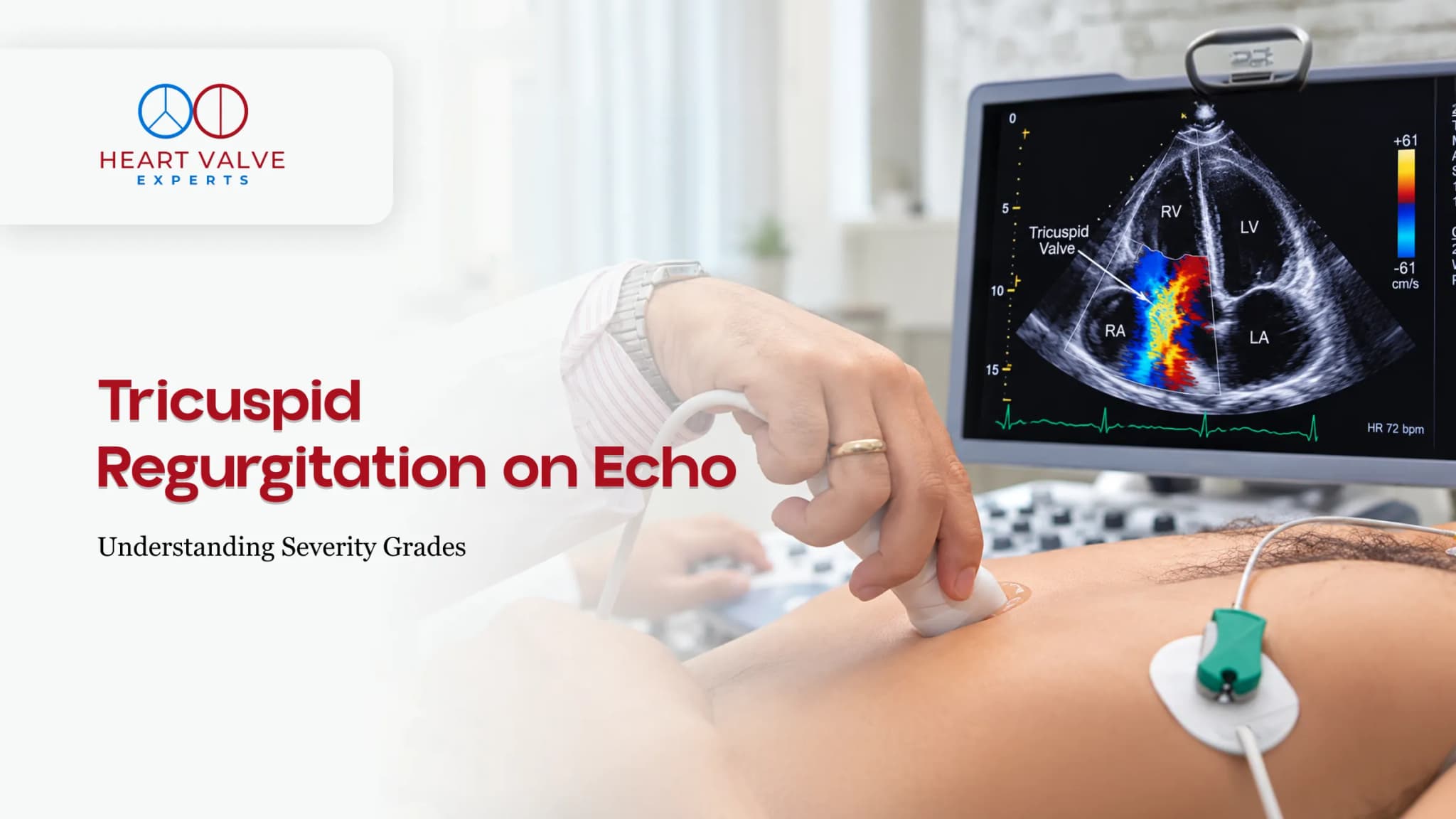
What Is Tricuspid Regurgitation and What Does It Mean for Your Heart?

Severe Tricuspid Regurgitation and Treatment
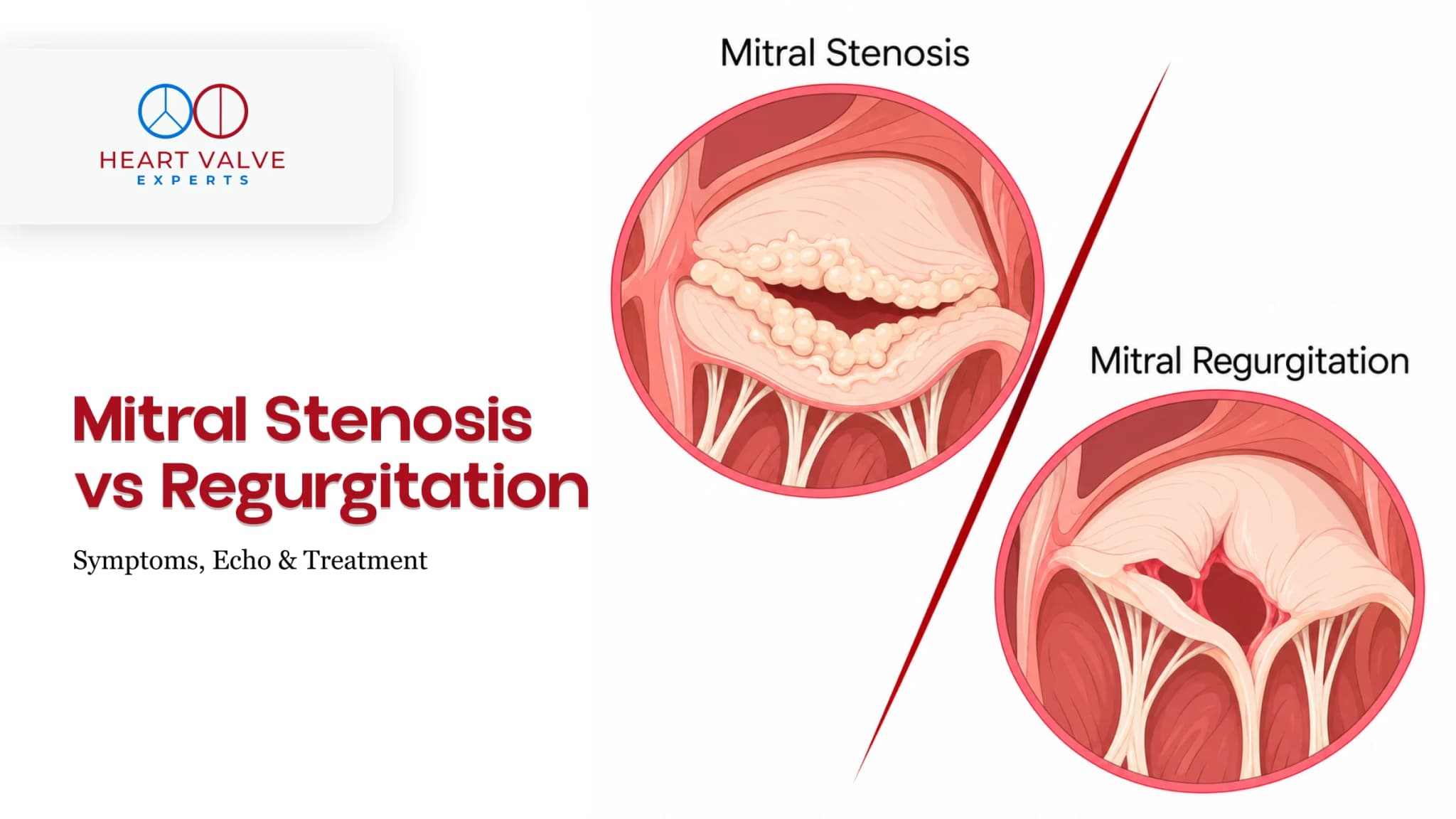
Mitral Stenosis vs Mitral Regurgitation: Differences in Symptoms, Echo Findings and Treatment