Mechanical Heart Valve Surgery: Procedure, Benefits & Recovery Explained
Table of Contents
- What Is a Mechanical Heart Valve?
- What does a mechanical heart valve surgery procedure involve?
- What are the benefits of heart valve replacement procedures?
- Important Consideration: Lifelong Blood Thinners
- What Does Recovery After Mechanical Heart Valve Surgery Look Like?
- Considering Heart Valve Surgery?
- Frequently Asked Questions

Medically Reviewed By
Dr. Ankur U. Phatarpekar
Get A Call Back
Have you been told that your heart valve needs to be replaced?
It starts with breathlessness or fatigue, which may slowly begin to limit your daily routine. Everyday tasks tend to feel a little overwhelming.
Perhaps tests have shown that your valve is no longer functioning the way it was intended to work.
Suddenly you have found yourself surrounded by terms like “Valve replacement” and “Mechanical valve”.
It can feel like a lot to process at once.
One of the most common questions patients ask at this stage is:
“What exactly is a mechanical heart valve, and what does surgery involve?”
This guide will give you insights on mechanical heart valve surgery so the process feels less daunting.
What Is a Mechanical Heart Valve?
A mechanical heart valve is an artificial valve designed to replace a damaged or diseased heart valve.
It plays a critical role in ensuring that blood flows in the correct direction through the heart.
The mechanical valves are made from durable materials that include:
- Carbon compounds
- Metal alloys
- Synthetic materials
They are fabricated to last for decades, often lasting for the rest of your life.
Surgery is not necessary for every heart valve disease. However, when the valves of the heart become severely narrowed (stenosis) or leaky (regurgitation), a replacement of the diseased valve becomes inevitable.
You may be a candidate for mechanical heart valve replacement surgery if:
- There is severe valve narrowing restricting blood flow.
- There is significant leakage causing backward blood flow.
- Symptoms like breathlessness, fatigue, or swelling are present.
- There is impaired heart function on imaging tests.
In many cases, surgery is recommended before permanent damage sets in.
What does a mechanical heart valve surgery procedure involve?
Mechanical heart valve replacement surgery has been perfected over the last six decades.
Before Surgery
Prior to the surgery, you are required to undergo a detailed evaluation which typically includes the following:
- Echocardiography
- Blood tests
- Imaging to assess overall heart function
This helps determine the timing and type of mechanical heart valve best suited for you.
During Surgery
The surgery typically involves:
- Carefully accessing your heart.
- Temporarily supporting your lungs and heart with a heart-lung machine to maintain blood flow and oxygenation.
- Removing the damaged heart valve
- Implanting a mechanical valve in place of the damaged or diseased heart valve
Once the new heart valve is placed, the heart-lung machine support is carefully withdrawn and normal circulation is restored.
The procedure is performed under general anaesthesia and usually takes a couple of hours in the operating room.
What are the benefits of heart valve replacement procedures?
Depending on the type of procedure and valve used, patients can experience several important benefits:
- Long-Term Durability: Mechanical valves are highly durable and can last 20 to 30 years or more, provided that proper care is taken, often reducing the need for repeat surgeries.
- Improved Heart Function: All valve replacement procedures help restore normal blood flow, which can significantly improve symptoms such as breathlessness, fatigue, and reduced exercise capacity.
Important Consideration: Lifelong Blood Thinners
One important aspect you need to consider about living with a mechanical heart valve is the need for lifelong blood-thinning medication.
Blood thinners are prescribed to patients with a mechanical heart valve because mechanical surfaces can increase the risk of blood clots. They help prevent complications like stroke.
This requires:
- Regular monitoring
- Dose adjustments
- Awareness of bleeding risks
What Does Recovery After Mechanical Heart Valve Surgery Look Like?
Recovery is gradual and happens in stages.
Hospital recovery is 5-10 days, which includes a few days in the ICU. During your stay at the hospital, your heart function, wound healing and progress are monitored.
- During the early stages of recovery, doctors recommend getting back to daily routine slowly.
- Physical activity increases gradually.
- Soon, you will be able to return to normal activity.
- Regular follow-ups are important and essential.
- Medications are adjusted during routine follow-up visits.
Conclusion
The idea of heart surgery can feel overwhelming at first; it is also a step towards giving your heart the support that it truly needs to help it function better. For decades, doctors have been performing mechanical heart valve surgeries. The surgery allows many patients to return to a more active and comfortable life.
It does come with a few long-term responsibilities.
It comes with its own set of responsibilities, especially when it comes to lifelong medication and regular follow-ups. But with the right guidance and a little patience during recovery, most people gradually find their rhythm again.
If you’re at a stage where surgery is being considered, it usually means one important thing: your heart is seeking help, and this is a step in the right direction.
Considering Heart Valve Surgery?
Speak with our team of experienced cardiac specialists at Heart Valve Experts to understand your options, timing, and the most suitable treatment approach for you.
Frequently Asked Questions
It is a procedure where a damaged heart valve is replaced with an artificial mechanical valve to restore normal blood flow.
Mechanical valves are highly durable and can last several decades, often for life, if proper care is taken.
Yes, blood thinners are required to prevent clot formation on the valve.
Bileaflet and tilting disc valves are the primary types.
Yes, when performed in experienced centres, it is a well-established and safe procedure with good long-term outcomes.
Initial recovery takes a few weeks, while full recovery and return to routine activities may take a few months.

About The Author
Dr. Ankur U. Phatarpekar M.D., D.M., FSCAI
With over 15 years of expertise, Dr. Phatarpekar is recognised as a renowned interventional cardiologist in Mumbai, specialising in complex coronary interventions, structural heart procedures, and pioneering work in Transcatheter Aortic Valve Implantation (TAVI).
● Blog
Related Heart Valve Experts (HVE) Blog
ASO Titre Test: Normal Range and What a High ASO Result Means

Rheumatic Fever – Symptoms, Jones Criteria and How It Damages Heart Valves
Rheumatic Heart Disease – Causes, Symptoms, Treatment
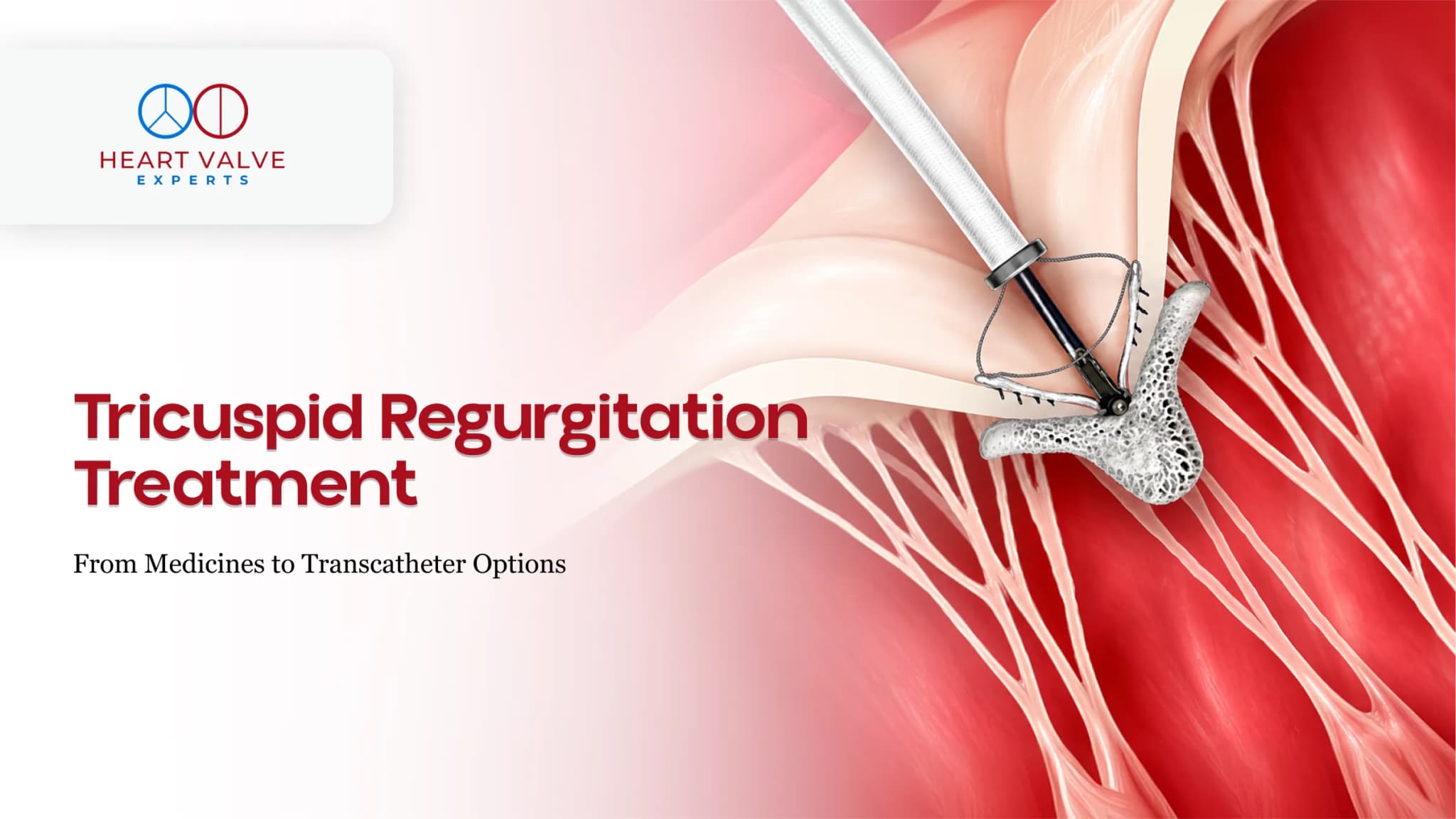
Tricuspid Regurgitation Treatment
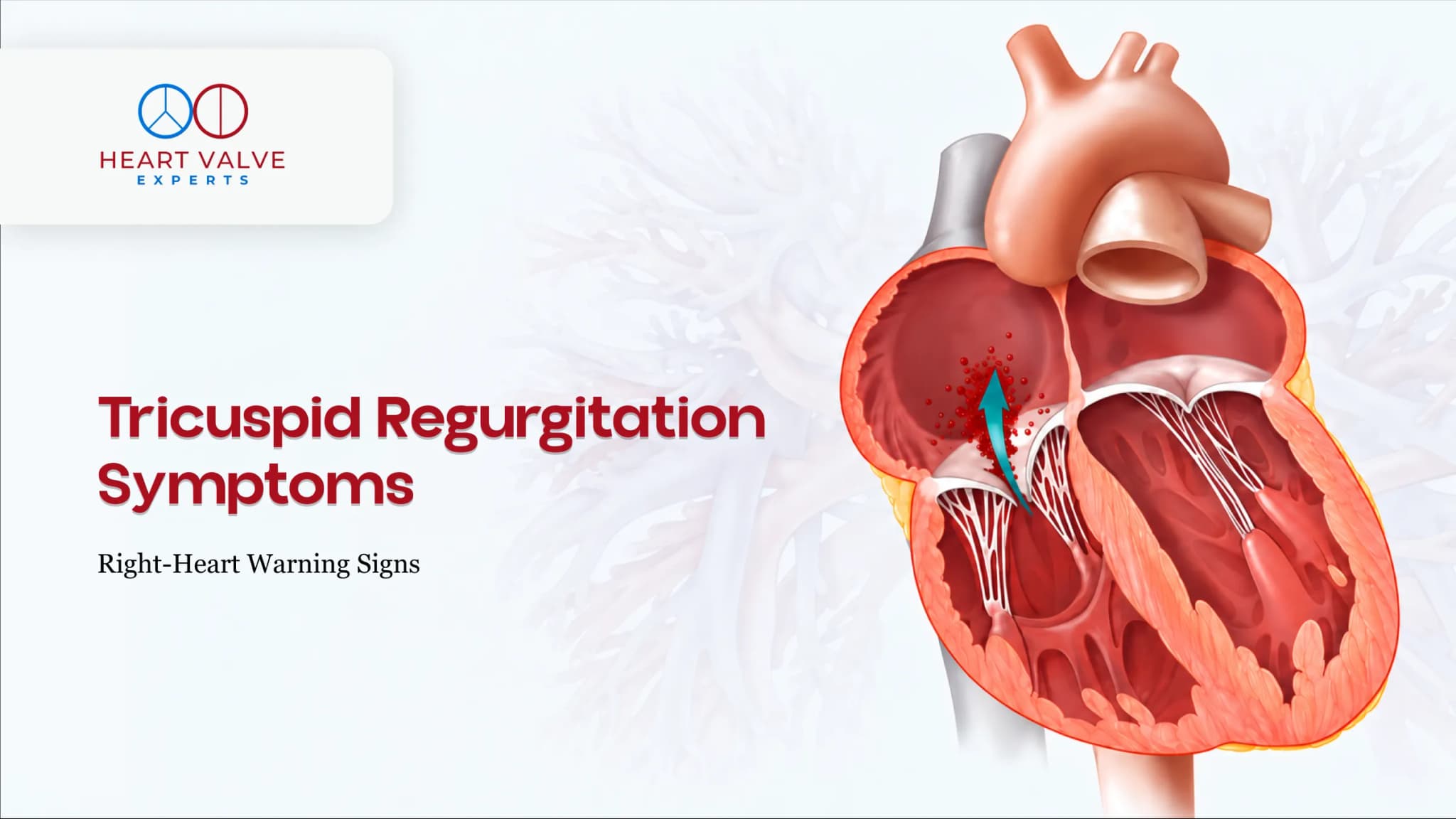
Tricuspid Regurgitation Symptoms and The Right-Heart Warning Signs