Being told you have severe aortic stenosis can be confusing when you still feel reasonably well. You may wonder whether you need a new heart valve or whether it is safer to continue monitoring your condition.
Some people with severe aortic stenosis can be monitored safely. Others may benefit from valve replacement before symptoms become severe.
Doctors therefore consider more than symptoms. They look at how severe the valve narrowing is, how well your heart is working, how quickly the condition is progressing, your age and overall health, and the risks and benefits of treatment.
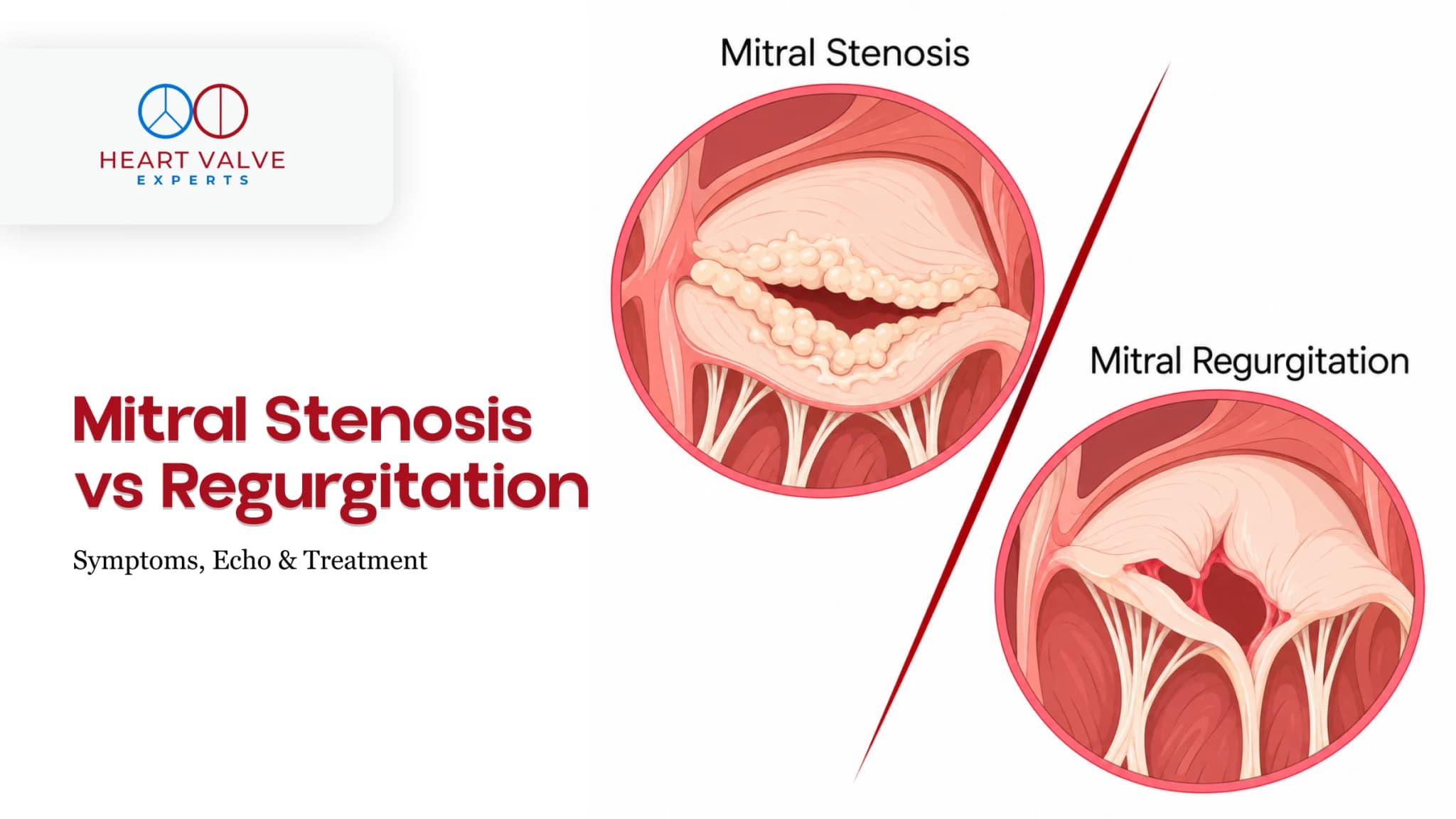
The aortic valve works like a one-way door, allowing blood to leave the heart and enter the aorta, which carries it to the rest of the body. In aortic stenosis, the valve becomes stiff and narrow, so it cannot open fully.
The heart then has to work harder to push blood through the smaller opening. Over time, this extra strain can thicken or scar the heart muscle, weaken its pumping ability and increase the risk of abnormal heart rhythms or heart failure. These changes may develop even when symptoms are mild, making regular check-ups important.

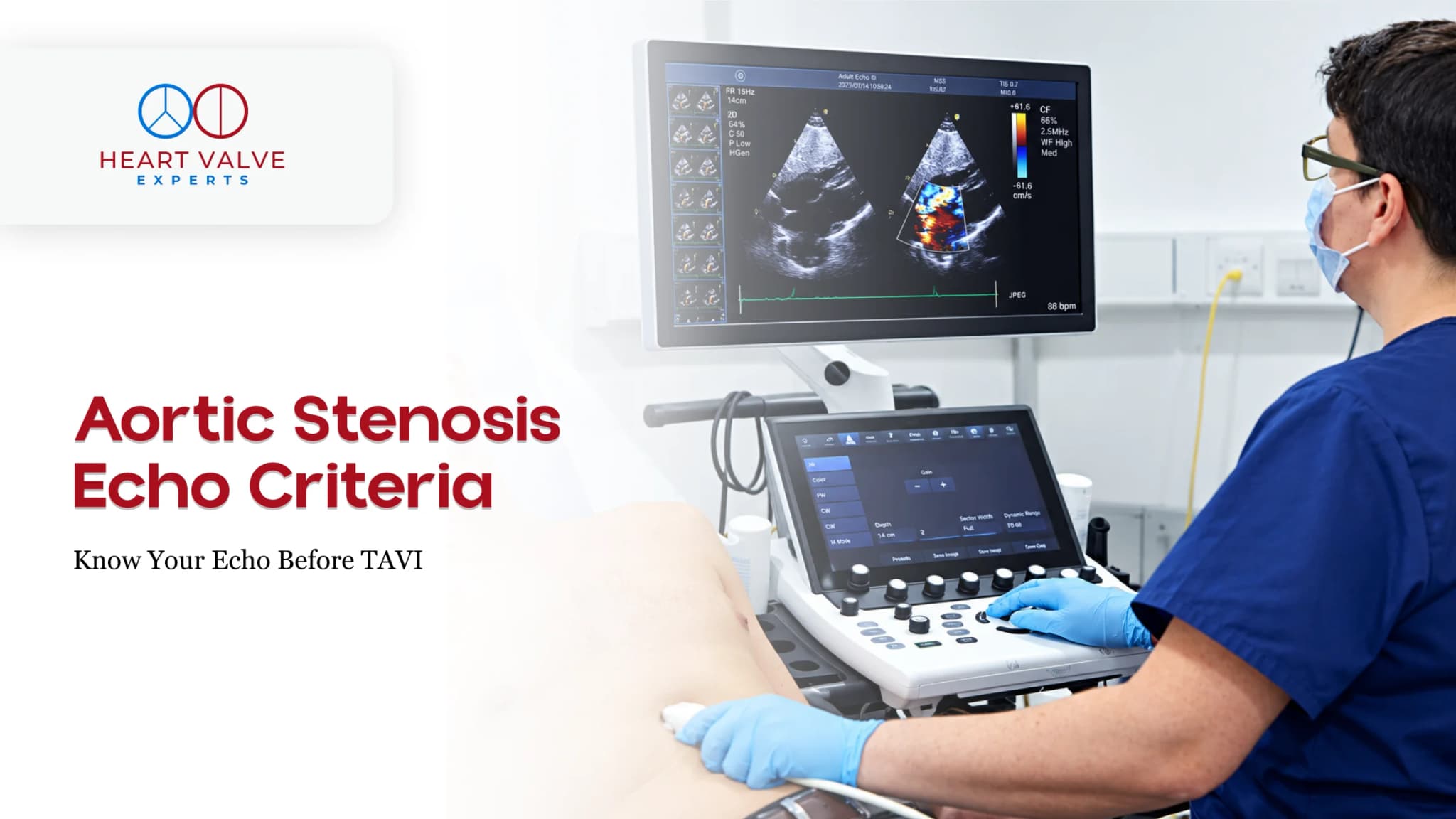
An echocardiogram (heart ultrasound) is the main test used to assess aortic stenosis. It helps doctors see how widely the valve opens, how quickly blood is moving through it and how much pressure is building up across the valve.
The stenosis may be considered severe when the blood-flow speed reaches 4.0 m/s or more, the average pressure difference is 40 mmHg or higher, or the valve opening is approximately 1.0 cm² or smaller.
These numbers provide important guidance, but they are not interpreted on their own. Doctors also consider your symptoms, blood flow and how well your heart is working. If the measurements do not clearly agree, further tests may be needed to understand the true severity of the narrowing.
Yes. Symptoms can develop gradually, and people sometimes reduce their activity without noticing.
You may, for example, have stopped climbing stairs, taking long walks or doing physically demanding activities. Breathlessness or tiredness may also be mistaken for ageing or poor fitness.
Symptoms to watch for include:
Ask yourself: “Can I comfortably do the same activities I could do 6–12 months ago?”
Tell your doctor if you notice a change.
If symptoms are uncertain, your doctor may recommend a medically supervised exercise test. This can reveal breathlessness, chest discomfort, dizziness, reduced exercise ability or an abnormal blood-pressure response.
Exercise testing is not appropriate for everyone, particularly people who already have clear symptoms from severe aortic stenosis.
Other assessments may include:
Doctors also compare current results with previous tests to see how quickly the condition is changing.
Valve replacement is generally recommended when severe aortic stenosis causes symptoms or when the heart’s pumping ability has deteriorated.
In selected patients with few or no symptoms, earlier treatment may also be considered.
An ejection fraction below 50%, without another clear cause, is an established indication for intervention in severe aortic stenosis.
The 2025 ESC/EACTS guidelines also advise considering intervention in patients with low procedural risk when the ejection fraction falls below 55% without another explanation.
Very severe aortic stenosis may be identified by a peak blood-flow speed above 5.0 m/s or an average pressure difference across the valve of at least 60 mmHg.
An increase in peak blood-flow speed of at least 0.3 m/s per year, particularly when the valve is heavily calcified, may suggest rapid progression.
Repeated BNP or NT-proBNP levels more than three times the normal range adjusted for age and sex may support consideration of earlier treatment. These tests can be affected by other conditions, so the result must be interpreted by your doctor.
Surgical valve replacement may be considered if you also require coronary bypass surgery, repair of part of the aorta or surgery for another heart valve.
None of these findings means that every patient with few symptoms needs immediate treatment. Your Heart Team considers them together with your overall health and treatment risks.
What Does Recent Research Show?
Recent studies suggest that waiting for obvious symptoms may not always be the best approach for every patient.
The EARLY TAVR trial included 901 patients with asymptomatic severe aortic stenosis. Early TAVR reduced the combined occurrence of death, stroke or unplanned cardiovascular hospitalisation compared with guideline-directed monitoring. Much of the difference was related to fewer unplanned hospitalisations.
However, most participants were older adults with relatively low surgical risk who were suitable for TAVI through an artery in the groin. The findings may therefore not apply in the same way to younger people, patients with a bicuspid valve or those requiring other heart surgery. The trial was also funded by the treatment manufacturer.
The AVATAR trial studied early surgical valve replacement in patients whose absence of symptoms was confirmed by exercise testing. Longer-term follow-up supported potential benefits from earlier surgery, although the trial was relatively small and mainly involved low-risk surgical candidates.
These studies support considering earlier intervention in appropriately selected patients. They do not mean everyone without symptoms needs TAVI or surgery.
TAVI or surgery: How do doctors choose?
When a severely narrowed aortic valve needs to be replaced, doctors can reach it in two very different ways.
TAVI is performed from inside the blood vessels. A catheter carrying the new valve is passed through a small puncture in the groin and guided up to the heart. The replacement valve is then opened inside the diseased valve, so the chest generally does not need to be opened.
Surgery takes a more direct route. The surgeon reaches the heart through an incision in the chest, removes the damaged valve and puts a new one in its place. Both approaches aim to restore better blood flow from the heart.
TAVI is an option when:
Because TAVI usually does not require opening the chest, many patients can start moving and return to everyday activities sooner. But it’s not automatically the best choice for everybody. The Heart Team will also consider possible complications, the likelihood that a pacemaker may be needed and the impact the treatment may have on any future heart or valve procedures.
Surgery may be a better option if:
Frailty means reduced physical strength or resilience, which can make recovery from major treatment more difficult.
Frailty is not the same as being old. Doctors may consider walking ability, muscle strength, nutrition, independence in everyday activities, other health conditions and available support.
Two people of the same age can therefore have very different treatment risks.
Yes. Monitoring may remain appropriate when heart function is stable, the narrowing is not progressing rapidly and there are no other high-risk findings.
Monitoring is not the same as doing nothing. It may involve:
Follow-up should be individualised. Many patients with severe asymptomatic aortic stenosis are reassessed approximately every six months, although some need earlier review.
Medicines may help manage related conditions, but they cannot correct the narrowing of the aortic valve itself.
Your Heart Team will consider:
The final decision should be made with you, after considering both the medical findings and what matters most to you.
If you have severe aortic stenosis with few or no symptoms:
Seek urgent medical attention for new or worsening chest pain, fainting, significant breathlessness, marked dizziness or a sudden major decline in your ability to carry out normal activities.
If symptoms are severe or sudden, or you feel acutely unwell, seek emergency medical care.
Do not use online information to decide whether a serious symptom can safely wait.
Being told that you have severe aortic stenosis when you feel reasonably well can be confusing. It does not always mean that you need TAVI or surgery immediately, but it does mean that regular follow-up is important.
Some people can be monitored safely for a period of time. Others may benefit from valve replacement before symptoms worsen or the heart becomes damaged.
Every patient’s situation is different, so there is no treatment timeline that suits everyone. Your Heart Team will consider how you feel, how well your heart is working, what your tests show, your age and overall health, the structure of your valve, the possible treatment risks and what matters most to you.
Together, you can decide whether the best next step is regular monitoring, TAVI or surgery.
No. Suitability depends on age, overall health, valve structure, blood vessels, surgical risk and whether another heart operation is needed.
Neither is better for everyone. TAVI is less invasive and often allows faster initial recovery. Surgery may be more appropriate for younger patients, some people with bicuspid valves, or those who also require bypass or aortic surgery.
Medicines can help manage related conditions but cannot correct the narrowed valve itself. When valve replacement is needed, your Heart Team will discuss the appropriate procedure.
A second opinion may be helpful if you are uncertain about whether monitoring, TAVI or surgery is best for you. Ideally, the assessment should involve specialists experienced in heart-valve disease.

About The Author
With over 15 years of expertise, Dr. Phatarpekar is recognised as a renowned interventional cardiologist in Mumbai, specialising in complex coronary interventions, structural heart procedures, and pioneering work in Transcatheter Aortic Valve Implantation (TAVI).
● Blogs