Blood Thinners After Valve Replacement: Why They Matter & How to Manage Them Safely
Table of Contents
- Why Your Blood Needs to Be “Thinner” After a Valve Replacement
- How Long Will You Need to Take Blood Thinners?
- Risks, Warning Signs, and When to Act Immediately
- Living Well on Blood Thinners: Practical Guidance for Everyday Life
- Your New Valve Gave You a Second Chance. Blood Thinners Help You Keep It.
- Frequently Ask Questions

Medically Reviewed By
Dr. Ankur U. Phatarpekar
Get A Call Back
Your Surgery Was Step One. Here’s What Protects You Next.
Getting a heart valve replaced whether through open surgery or a minimally invasive procedure like TAVR is a major milestone. You’ve faced something difficult, and you’ve come through it. But as your care team may have already told you, the procedure itself is only part of the journey.
Once your new valve is in place, your body begins adapting to it. And during that adjustment period your heart needs an extra layer of protection. That protection comes in the form of blood thinners after valve replacement, also called anticoagulants.
For many patients, this is where the questions and the worry begin.
Do I really need these medications? What happens if I miss a dose? Can I still eat normally? What if I fall?
These are completely valid concerns. And you deserve clear, honest answers not medical jargon that leaves you more confused than when you started.
This guide is written for you: someone who’s been through (or is preparing for) valve replacement and wants to understand exactly what anticoagulant therapy after valve replacement means for your daily life, your safety, and your recovery.
Let’s take it one step at a time.
Why Your Blood Needs to Be “Thinner” After a Valve Replacement
Your heart is a remarkable organ; it beats roughly 100,000 times a day, moving blood through four carefully coordinated valves. When one of those valves is replaced, your body encounters something unfamiliar: a new surface it didn’t grow.
Whether your replacement valve is mechanical (made from metal or carbon) or biological (made from animal tissue), your immune system notices the difference. And your blood, always on high alert for injury, responds the way it’s designed to by trying to form a clot.
In normal circumstances, clotting is life-saving. It seals wounds and stops bleeding. But inside the heart, clotting on or around a new valve is dangerous. A clot that forms on a valve leaflet can:
- Block blood flow through the valve, reducing its function
- Break off and travel to the brain, causing a stroke
- Lodge in other arteries, triggering a heart attack or organ damage
This isn’t a rare or theoretical risk, it’s a well-documented challenge that cardiac teams plan for from the moment they choose your valve type. That’s precisely why blood thinner medication after valve replacement is not optional. It’s a core part of your treatment.
Mechanical vs. Biological Valves: Why It Matters
The type of valve you received directly determines how long and how aggressively your blood needs to be managed.
Mechanical heart valves, known for their long lifespan, have a major downside: their rigid, artificial surfaces increase the risk of blood clots forming.
Patients with mechanical valves typically need lifelong anticoagulation meaning blood thinners every single day, indefinitely.
Biological valves, including those used in TAVR, are less likely to cause blood clots. However, the valve’s position and the surrounding tissue’s healing process are still ongoing in the weeks after the procedure.
During this vulnerable window, blood thinners after heart valve surgery are still essential, even if only for a limited period.
How Long Will You Need to Take Blood Thinners?
This is one of the first questions patients ask and understandably so. The answer depends largely on the type of valve you received, your individual health profile, and how your recovery progresses.
Here’s what the general guidance looks like across different valve types.
1. Mechanical Valves: A Lifelong Commitment
If you have received a mechanical heart valve, anticoagulation therapy is lifelong. This is non-negotiable from a clinical standpoint.
Mechanical valves are built to last often for the rest of your life but their artificial surfaces continuously interact with your bloodstream in ways that sustain clotting risk indefinitely. Stopping blood thinners, even briefly without medical supervision, can have serious consequences including valve thrombosis (clotting on the valve itself) or stroke.
2. Biological (Tissue) Valves: A Defined Window
For patients with biological valves implanted through traditional open-heart surgery, blood thinners after heart valve surgery are typically prescribed for a shorter, defined period, usually three to six months following the procedure.
During this time, the valve is integrating with the surrounding cardiac tissue. Once that healing is complete and imaging confirms the valve is functioning well, many patients are able to transition off anticoagulation or onto a lower-intensity antiplatelet regimen such as aspirin alone.
That said, if you have other conditions such as atrial fibrillation, a history of blood clots, or reduced heart function, your cardiologist may recommend continuing anticoagulant therapy after valve replacement for longer or indefinitely.
3. After TAVR: A Shorter But Critical Period
Patients who have undergone transcatheter aortic valve replacement (TAVR) typically follow a shorter anticoagulation course, often three to six months, followed by long-term antiplatelet therapy.
However, TAVR patients are frequently older and may carry higher bleeding risks, so therapy is carefully individualised.
When Therapy Ends and When It Doesn’t
It is important to understand that stopping valve replacement blood thinner medication is never a decision to make on your own. Even if you feel completely well, even if you haven’t had any complications, even if a friend or family member with a different valve type has already stopped their medication your situation is unique.
Discontinuation, dose reduction, or switching medications should always be guided by your cardiologist, supported by current imaging and blood test results.
Think of your anticoagulation therapy as an ongoing conversation with your care team.
Risks, Warning Signs, and When to Act Immediately
Every medication carries some level of risk and blood thinners after valve replacement are no exception. Understanding what to watch for doesn’t mean living in fear. It means being prepared, so that if something does happen, you respond quickly and correctly.
1. The Two Core Risks: Clotting and Bleeding
Anticoagulation therapy is a careful balancing act between two opposing dangers.
Too little anticoagulation leaves you vulnerable to clot formation on the valve, in the heart chambers, or travelling through the bloodstream to the brain or other organs. The consequences can include stroke, valve dysfunction, or life-threatening blockages.
Too much anticoagulation increases the risk of bleeding internally or externally which can range from minor inconvenience to a serious medical emergency.
Neither extreme is acceptable. This is why monitoring, consistency, and communication with your care team is a must.
2. Bleeding: What’s Normal and What’s Not
Some minor bleeding-related changes are common and expected when you are on anticoagulants after valve replacement. These include:
- Bruising more easily than before
- Slightly longer bleeding time from small cuts
- Occasional light nosebleeds
These are generally not causes for alarm but they are reminders to take precautions and avoid unnecessary injury where possible.
However, certain signs of bleeding require immediate medical attention. Seek emergency care if you experience:
- Unusual or prolonged bleeding from a cut that does not stop within 10 minutes
- Blood in your urine (pink, red, or dark brown discolouration)
- Blood in your stools (black, tarry, or visibly red stools)
- Coughing or vomiting blood, or material that looks like coffee grounds
- Severe or sudden headache unlike anything you’ve experienced before
- Dizziness, weakness, or vision changes that come on suddenly
- Swelling, pain, or a feeling of pressure in a joint with no clear cause
These symptoms can indicate internal bleeding including the most dangerous form, bleeding in the brain and require urgent evaluation.
3. Signs of Clotting: The Other Emergency
Equally important is recognising when your blood may be clotting despite your medication. Symptoms that may indicate a clot or stroke include:
- Sudden numbness or weakness on one side of the face, arm, or leg
- Slurred speech or difficulty finding words
- Sudden confusion or loss of coordination
- Vision loss in one or both eyes
- Chest pain or unexplained breathlessness
- A new or unusual sound (murmur) noted during a check-up — though this would be detected by your doctor rather than felt by you
If you experience any of these, call emergency services immediately. Time is critical in both stroke and valve thrombosis every minute affects outcomes.
4. Before Any Procedure: Always Disclose Your Medication
One of the most important safety steps for patients on heart valve replacement blood thinners is simple but frequently overlooked: always tell every healthcare provider you see that you are on anticoagulation therapy.
This includes:
- Dentists — even routine cleanings carry minor bleeding risk, and some procedures may require a temporary adjustment in your anticoagulation
- Surgeons or proceduralists — elective and emergency procedures may require a carefully managed pause in therapy, known as a bridging protocol
- Emergency room staff — if you arrive unconscious or unable to communicate, ensure a family member or caregiver knows your medication list and can relay it immediately
Carrying a medication card in your wallet or wearing a medical alert bracelet is a practical, potentially life-saving habit.
5. Falls, Injuries, and Head Trauma
For patients on blood thinners, a fall that might seem minor to others deserves careful attention. A head injury even without visible external bleeding can cause serious internal bleeding in patients on anticoagulation.
If you fall and hit your head, seek medical evaluation the same day, even if you feel fine immediately afterward. Internal bleeding can develop gradually, and early detection makes a significant difference to outcomes.
Living Well on Blood Thinners: Practical Guidance for Everyday Life
Being on blood thinners after heart valve surgery does not mean putting your life on hold. With a few informed adjustments, most patients live full, active, and deeply satisfying lives. The goal is not restriction, it is awareness.
Here is what that looks like across the areas that matter most.
1. Food and Nutrition: Consistency Over Elimination
One of the most common concerns patients have is around diet particularly if they are taking warfarin. The relationship between food and anticoagulants after valve replacement is real, but it is far simpler to manage than most people expect.
The key principle is consistency, not avoidance.
Vitamin K-rich foods leafy greens like spinach, kale, cabbage, and broccoli interact with medication by influencing how your blood clots. But you do not need to eliminate them from your diet. In fact, doing so abruptly has a direct impact on your blood clotting mechanism
2. Exercise and Physical Activity: Movement Is Medicine
Regular physical activity supports heart health, circulation, and overall recovery and most patients on valve replacement blood thinner medication can and should remain active.
That said, the nature of your activity matters.
Recommended activities for most patients include:
- Walking, swimming, and cycling
- Gentle yoga or stretching
- Low-impact aerobic exercise as cleared by your cardiologist
Activities to approach with caution or avoid include high-contact sports, activities with significant fall risk, and anything involving sudden, intense exertion that has not been discussed with your care team.
3. Travel: Planning Ahead Makes All the Difference
Travelling on blood thinners after valve replacement is absolutely achievable with preparation.
Before any trip, particularly international travel, consider the following:
- Carry enough medication for the entire journey plus several extra days in case of delays. Keep medication in your carry-on luggage, never in checked bags
- Bring documentation from your heart specialist detailing your diagnosis, valve type, and current medications particularly if you are crossing international borders
- Identify medical facilities at your destination in advance, especially if you are travelling to remote or under-resourced areas
- Long-haul flights carry an inherent risk of deep vein thrombosis (DVT) for anyone for valve patients on anticoagulation, staying hydrated, moving regularly during the flight, and wearing compression stockings can help manage this risk
- Time zones and dose timing if you cross multiple time zones, ask your care team how to adjust your dosing schedule in advance
Travel insurance that covers pre-existing cardiac conditions is strongly recommended. Do not assume a standard policy will cover valve-related complications.
Your New Valve Gave You a Second Chance. Blood Thinners Help You Keep It.
There is a moment sometime after the procedure, when the relief of surgery being over begins to settle when the reality of ongoing medication can feel heavy. A daily pill, regular blood tests, dietary awareness, constant vigilance. It can feel like a long list of things to manage on top of everything else you’ve already been through.
But here is what we want you to carry with you from everything you’ve read today.
Blood thinners are not a burden placed on you. They are protection built for you.
Every dose you take is your body being quietly defended from clots, from stroke, from the complications that your care team has worked hard to help you avoid. The medication is not a reminder of illness. It is evidence of how seriously you, and your doctors, are taking your recovery and your future.
Key Takeaways
Why blood thinners matter: A new valve whether mechanical or biological creates conditions where your blood is more likely to clot dangerously. Anticoagulation therapy manages that risk every single day.
How long you’ll need them: Lifelong for mechanical valves. Three to six months sometimes longer for biological valves and TAVR, depending on your individual risk profile. Never stop without guidance from your cardiologist.
How to stay safe: Regular monitoring, consistent medication habits, dietary awareness, open communication with every healthcare provider you see, and a zero-tolerance approach to self-adjusting your dose.
When to seek help immediately: Unusual or prolonged bleeding, blood in urine or stools, sudden severe headache, weakness or numbness on one side of the body, slurred speech, or chest pain. These are emergencies that act without delay.
How to live well: With awareness, not fear. Most patients on blood thinners after valve replacement travel, exercise, eat well, work, and do the things they love. The adjustments are real but manageable and they are worth every effort.
You Don’t Have to Navigate This Alone
At Heart Valve Experts, we understand that life after valve replacement raises questions that don’t always fit neatly into a ten-minute appointment. Our team of structural heart specialists is here to provide not just clinical expertise but the kind of clear, unhurried guidance that helps you feel truly prepared for what comes next.
Whether you are newly post-procedure, reconsidering your current anticoagulation plan, or exploring valve replacement options for the first time, we are here.
Because your heart deserves more than a general answer. It deserves a specialist who knows valves and knows you.
Ready to speak with a specialist? Contact Heart Valve Experts today to schedule a consultation and take the next step in your heart health journey with confidence.
Frequently Ask Questions
Blood thinners after valve replacement help prevent dangerous clots from forming on or around the new valve. Without them, there is a higher risk of stroke, valve blockage, or other serious complications.
The duration of blood thinners after heart valve surgery depends on the valve type lifelong for mechanical valves and typically 3–6 months for biological valves. Your doctor may extend this based on your individual risk factors.
Yes, anticoagulants after valve replacement are usually lifelong for mechanical valves due to continuous clot risk. Tissue valves often require shorter-term anticoagulation followed by antiplatelet therapy.
Stopping valve replacement blood thinner medication without medical guidance can lead to serious complications like valve thrombosis or stroke. Always consult your cardiologist before making any changes.
Yes, most patients live active lives while on heart valve replacement blood thinners with some precautions like consistent diet and regular monitoring. The key is awareness, not restriction.

About The Author
Dr. Ankur U. Phatarpekar M.D., D.M., FSCAI
With over 15 years of expertise, Dr. Phatarpekar is recognised as a renowned interventional cardiologist in Mumbai, specialising in complex coronary interventions, structural heart procedures, and pioneering work in Transcatheter Aortic Valve Implantation (TAVI).
● Blog
Related Heart Valve Experts (HVE) Blog
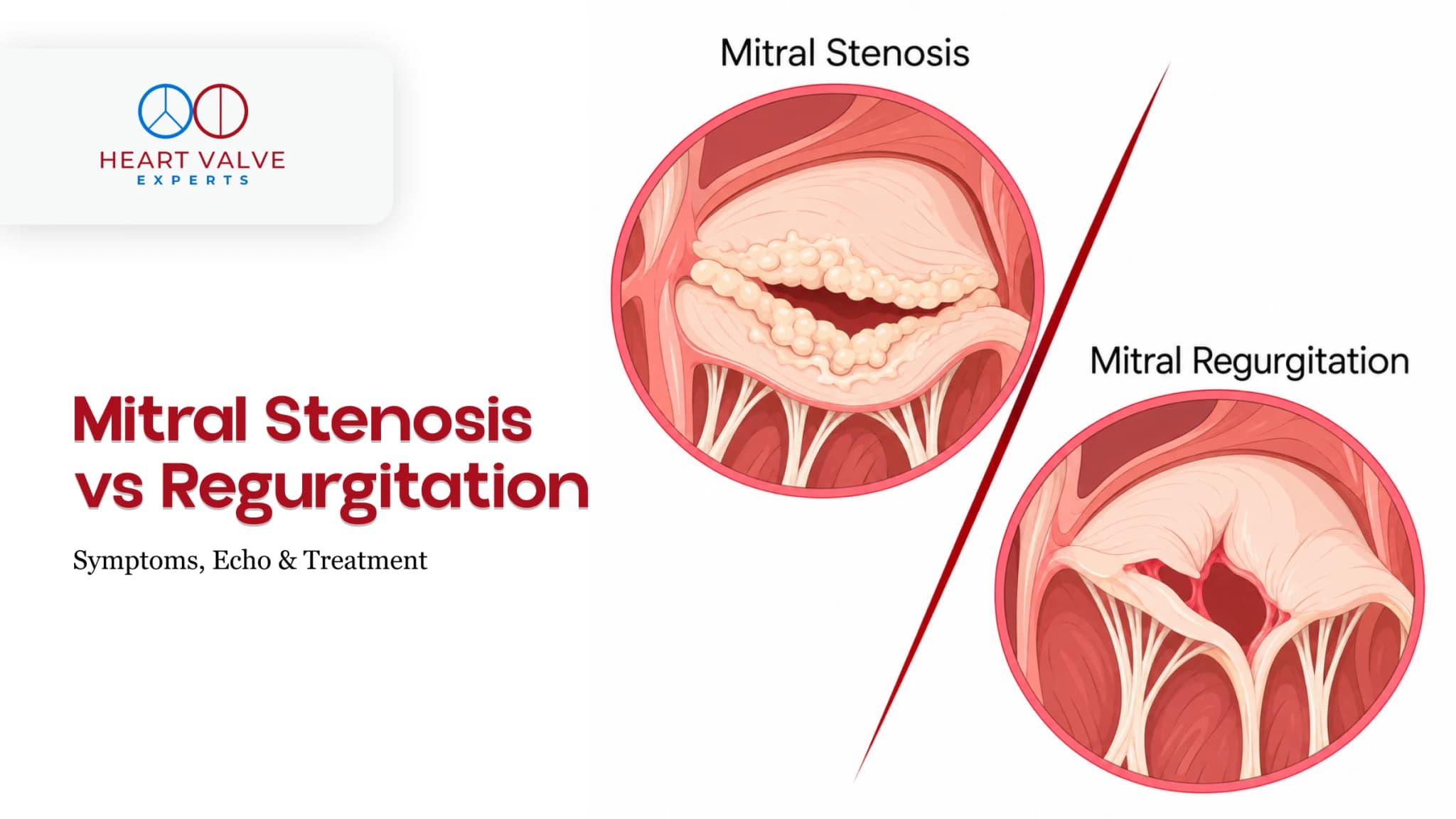
Mitral Stenosis vs Mitral Regurgitation: Differences in Symptoms, Echo Findings and Treatment
Aortic Stenosis Echo Criteria Explained: Understanding Your Echo Before a TAVI Assessment
How to Get a Medical Second Opinion for Heart Valve Treatment Before Travelling to India
Medical Visa for India: Requirements and Application Guide for Heart Patients

Heart Valve Surgery in Mumbai: How to Choose a Hospital and When to Seek a Second Opinion