What Is a Leaky Heart Valve? Symptoms, Causes and Treatment Options
Table of Contents
- What Is a Leaky Heart Valve?
- What Are the Types of Leaky Heart Valves?
- What Are The Symptoms of a Leaky Heart Valve?
- What Causes a Leaky Heart Valve?
- How Is a Leaky Heart Valve Diagnosed?
- What Are the Treatment Options for a Leaky Heart Valve?
- Do You Need Treatment if You Have a Mild Leaky Valve?
- Start Your Journey to Better Heart Health Today!
- Frequently Asked Questions

Medically Reviewed By
Dr. Ankur U. Phatarpekar
Get A Call Back
A leaky heart valve is a common yet often misunderstood heart condition that can range from harmless to potentially serious if left untreated. Many people are diagnosed incidentally during routine check-ups, while others seek medical attention after developing symptoms like breathlessness or fatigue.
The condition can progress silently, making it essential to understand the early signs, causes, and treatment options. With advances in modern cardiology, most cases can be effectively monitored, managed, or treated with excellent outcomes when identified at the right time.
In this guide, you’ll learn exactly what a leaky heart valve is, the symptoms to watch for, what causes it, and the treatments and surgery options available today.
What Is a Leaky Heart Valve?
- A leaky heart valve, or heart valve regurgitation as doctors call it, happens when one of the four valves in your heart does not close the way it should.
- Instead of blood flowing forward in one direction, some of it leaks backward with every heartbeat.
- Think of your heart valves as one-way doors. When they work properly, blood moves through smoothly and efficiently. When one leaks, that system breaks down.
- To compensate, your heart works harder than normal to keep enough blood moving in the right direction.
- Over time, all that extra effort can cause the heart chambers to enlarge, the heart to lose efficiency, and, in serious cases, lead to heart failure.
- A mild leaky heart valve often causes no symptoms at all, and many people live completely normal lives without ever needing treatment.
- More advanced cases, however, may need medications, minimally invasive procedures or surgery to protect the heart from long-term damage.
What Are the Types of Leaky Heart Valves?
Each of the four heart valves can be affected:
Mitral Valve Regurgitation
- This is the most common type of leaky heart valve.
- Normally, blood flows from the upper left chamber of the heart into the lower left chamber, which pumps it out to the rest of your body.
- The mitral valve sits between these two chambers and acts like a one-way door, shutting tight after every beat to keep blood moving in the right direction.
- When this valve leaks, the door does not shut properly, and some blood flows back up into the chamber it just left.
- This forces the heart to work harder with every single beat to keep enough blood moving forward.
Aortic Valve Regurgitation
- Your heart pumps blood out through a valve into your main artery, which carries it to the rest of your body.
- That valve is supposed to close firmly after each beat to keep blood moving forward.
- When it leaks, some blood flows back into the heart’s main pumping chamber instead of continuing on its way.
- Over time, that chamber gets overloaded from constantly handling more blood than it should.
- This causes it to slowly stretch and grow bigger, and eventually it begins to lose its pumping strength.
Tricuspid Valve Regurgitation
- This type of leaky valve affects the right side of the heart.
- Unlike other valve problems, it usually does not develop on its own.
- It most commonly shows up as a side effect of another heart valve condition or high blood pressure in the lungs.
- That extra strain on the right side of the heart is what eventually causes the valve there to start leaking.
Pulmonary Valve Regurgitation
- This type of leaky valve is fairly rare and tends to show up in people who were born with a heart abnormality or who have had heart surgery in the past.
Classification Based on Severity
- Mild: Minimal leakage, normal heart function
- Moderate: Noticeable leakage with early structural changes
- Severe: Significant leakage affecting heart performance
What Are The Symptoms of a Leaky Heart Valve?
The symptoms of a leaky heart valve depend on how severe the condition is. Mild cases often have no symptoms and are discovered during routine check-ups.
As the condition progresses, symptoms may include:
- Shortness of breath, especially during activity or when lying flat
- Heart palpitations or irregular heartbeat
- Fatigue and reduced exercise tolerance
- Swelling in the legs, ankles, or feet
- Chest discomfort or pressure
- Persistent cough, sometimes with frothy mucus
- Dizziness or lightheadedness
It is important to note that symptoms may appear late. Even without symptoms, the condition can progress, making regular monitoring essential.
What Causes a Leaky Heart Valve?
Understanding what causes a leaky heart valve helps guide treatment and predict progression.
The following could be the reasons for a leaky heart valve:
- Age-Related Degeneration
- Congenital Heart Defects.
- Rheumatic heart disease
- Infective endocarditis
- Previous heart attack
- Cardiomyopathy
- High blood pressure
- Aortic aneurysm
- Connective tissue disorders such as Marfan syndrome
- Prior chest radiation
- Pulmonary hypertension
- Certain medications
How Is a Leaky Heart Valve Diagnosed?
Diagnosis begins with a clinical examination, where a doctor may hear a heart murmur. Imaging tests confirm the condition and assess severity.
Here are a few common tests conducted during clinical examination:
- Echocardiogram (Echo)
- Electrocardiogram (ECG)
- Chest X-ray
- Cardiac MRI or CT scan
- Cardiac catheterisation
What Are the Treatment Options for a Leaky Heart Valve?
Leaky heart valve treatment depends on severity, symptoms, and overall heart health.
1. Active Surveillance
Mild or asymptomatic cases are monitored with regular echocardiograms to track progression.
2. Medications
Medications cannot fix the valve but help control symptoms and reduce strain on the heart. These may include:
- Diuretics to reduce fluid buildup
- Beta-blockers to control heart rate
- Blood pressure medications
- Anticoagulants if arrhythmias are present
3. Valve Repair
Leaky heart valve repair is often preferred when feasible. The surgeon restores the patient’s own valve.
Benefits:
- Preserves natural heart function
- Lower surgical risk
- No lifelong blood thinners in most cases
4. Valve Replacement
When repair is not possible, leaky heart valve replacement is required.
Options include:
- Mechanical valves, which are highly durable but require lifelong anticoagulation
- Biological valves, which do not require long-term anticoagulation but may wear out over time
5. Minimally Invasive Procedures
For patients who are not ideal candidates for open-heart surgery, catheter-based procedures can be effective alternatives. Instead of opening the chest, these procedures are performed using a thin tube through a blood vessel in order to repair the affected heart valve.
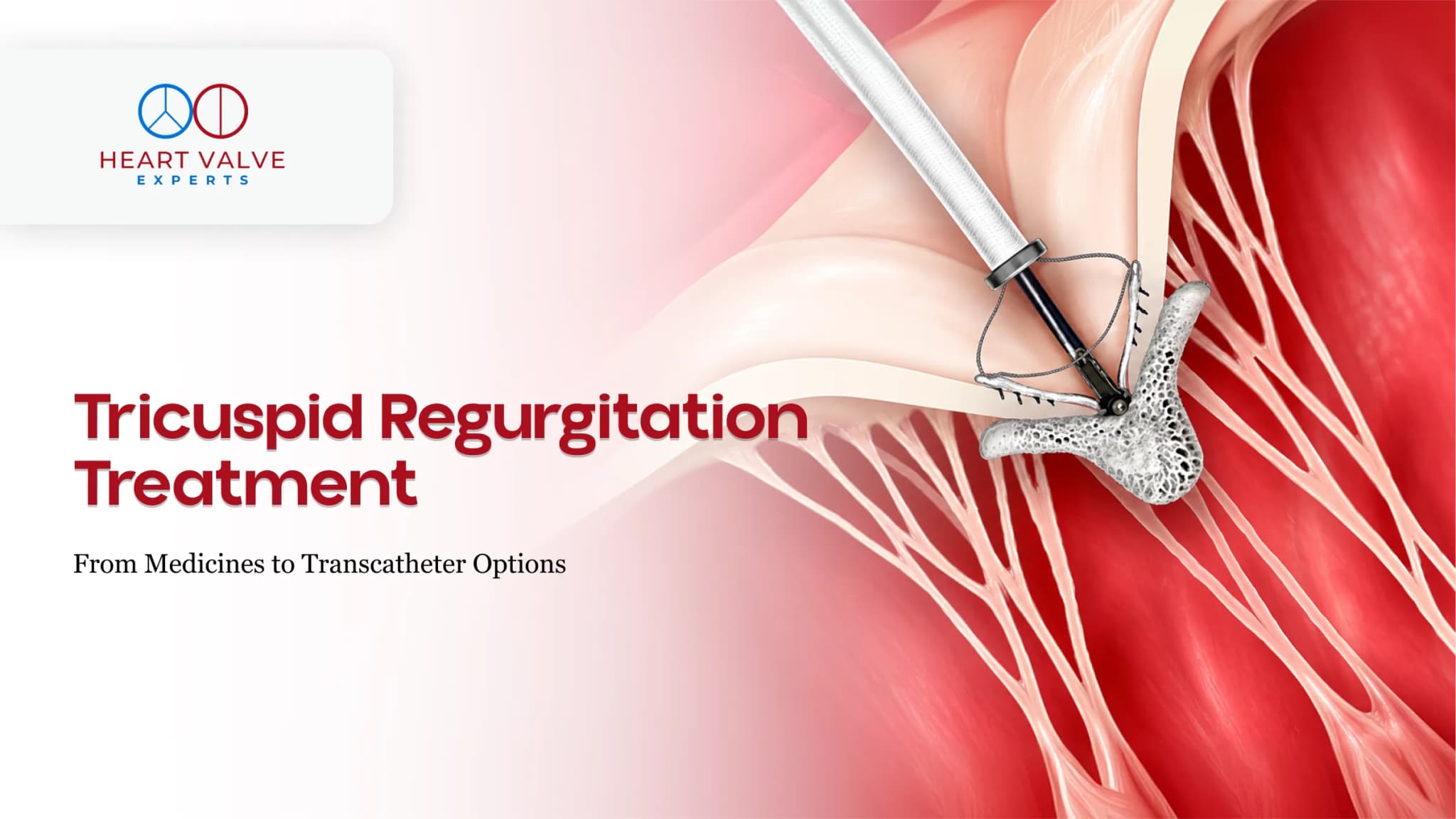
- TEER (Transcatheter Edge-to-Edge Repair): In this procedure, MitraClip is used for mitral valve regurgitation, while TriClip is used for tricuspid valve regurgitation. Both of these work by clipping the leaky valve leaflets together to reduce backward blood flow.
- TMVR (Transcatheter Mitral Valve Replacement): This is a relatively new procedure where a leaky mitral valve is replaced entirely by using a catheter, typically reserved for patients whose valve anatomy makes repair difficult.
- TAVR/TAVI (Transcatheter Aortic Valve Replacement/Implantation): Used for aortic valve regurgitation, this procedure replaces the faulty aortic valve by delivering a new valve through a catheter, avoiding open-heart surgery entirely.
Do You Need Treatment if You Have a Mild Leaky Valve?
A mild leaky heart valve is common and usually does not require treatment.
Most people:
- Have no symptoms
- Lead normal lives
- Require only periodic monitoring
Concern arises if:
- The condition progresses
- Symptoms develop over time
- The heart shows signs of strain.
Regular follow-up ensures timely intervention if needed.
Conclusion
A leaky heart valve can range from harmless to serious, depending on its severity. While many people remain symptom-free, others may need timely treatment to prevent complications.
Early diagnosis, regular monitoring, and the right treatment approach are essential for protecting heart function. With modern advances in cardiac care, most cases can be managed effectively with excellent outcomes.
If you notice symptoms like breathlessness, fatigue, or palpitations, do not ignore them. Prompt evaluation and follow-up can help you maintain long-term heart health and quality of life.
Start Your Journey to Better Heart Health Today!
Being diagnosed with a leaky heart valve can feel overwhelming and uncertain, but the right guidance can make all the difference. Understanding the severity of your condition is the first step to protecting your heart long term.
At Heart Valve Experts, care is centred around accurate diagnosis, personalised evaluation, and evidence-based treatment planning. From routine monitoring to advanced minimally invasive procedures, every decision is tailored to what your heart truly needs.
Schedule a comprehensive heart evaluation today and take the next step toward clarity, confidence, and better heart health.
Frequently Asked Questions
It can be. Mild cases are often harmless, but severe leakage may lead to complications if untreated.
Treatment ranges from monitoring and medications to valve repair or replacement, depending on severity.
Yes, most people with mild cases live normal lives with regular follow-up.
No, it does not heal on its own, but mild cases may stay stable for years.
Often none at first. Later symptoms include breathlessness, fatigue, and palpitations.
If you have symptoms like breathlessness, chest discomfort, or persistent fatigue.
No, only severe or symptomatic cases typically need surgery.
Severe cases can lead to heart damage or heart failure over time.
Disclaimer
This content is for educational purposes only and does not constitute medical advice. It is not a substitute for professional consultation, diagnosis, or treatment. Always consult a qualified cardiologist or cardiac surgeon for guidance specific to your condition.

About The Author
Dr. Ankur U. Phatarpekar M.D., D.M. (Cardiology), FSCAI
Interventional Cardiologist. MMC Reg. No. 2006/03/1339.
● Blog
Related Heart Valve Experts (HVE) Blog
INR Normal Range – Normal Levels, Warfarin & Mechanical Valves
ASO Titre Test: Normal Range and What a High ASO Result Means
Rheumatic Fever – Symptoms, Jones Criteria and How It Damages Heart Valves
Rheumatic Heart Disease – Causes, Symptoms, Treatment
Tricuspid Regurgitation Treatment